Kenya Ocean Conference Secures $6.4 Billion in Conservation Commitments
en.Wedoany.com Reported - The "Our Ocean 2026" (OOC11) conference, held earlier this month in Mombasa, Kenya, saw representatives from 104 governments, companies, and organizations announce 320 commitments totaling $6.4 billion for marine conservation, fisheries, pollution reduction, climate action, maritime security, and blue economy initiatives. Kenya announced commitments worth $1 billion, including the implementation of electronic monitoring on industrial fishing vessels and the designation of marine protected areas. The World Bank also pledged $1 billion to support the blue economy in developing countries. The conference, held in Africa for the first time, attracted over 5,000 participants. Local fisherman Joseph Ochien Owuoko stated that the marine environment has changed, with fish stocks declining, and called for providing communities with modern fishing technology while protecting the ocean.
The "State of World Fisheries and Aquaculture" report released by the Food and Agriculture Organization of the United Nations (FAO) during the conference noted that many African fisheries face pressures from overfishing, weak management systems, and insufficient data collection. Manuel Barange, FAO Assistant Director-General for Fisheries and Aquaculture, indicated that over half of fish stocks in some regions are overexploited. David Obura, Chair of the Intergovernmental Science-Policy Platform on Biodiversity and Ecosystem Services (IPBES) and a marine researcher, warned that climate change is reshaping marine ecosystems that underpin food production and coastal protection, with "nearly half" of coral species facing the threat of extinction.
To address overfishing, 16 countries signed the "Mombasa Declaration," committing to enhance transparency in fisheries governance and strengthen efforts to combat illegal, unreported, and unregulated fishing. Ghana's Minister of Fisheries, Emilia Arthur, described transparency as a prerequisite for sustainable fisheries and outlined reform measures such as public disclosure of vessel licenses and beneficial ownership. Ryan Orgera, Director of the Fisheries Transparency Alliance, stated that it is impossible to solve illegal fishing without knowing who is fishing, what they are catching, and how they are doing it.
Marine Protected Areas (MPAs) became a focal point of the conference. Many governments view them as the preferred tool to achieve the global "30×30" target (protecting 30% of land and ocean by 2030). However, speakers cautioned that MPAs require serious implementation and local leadership to avoid remaining on paper. Barange pointed out that MPAs without proper monitoring exist only in form. Angelique Pouponneau, Chief Ocean Negotiator for the Alliance of Small Island States, emphasized that carbon sequestration initiatives alone cannot achieve a sustainable future, and the key lies in cutting greenhouse gas emissions.
The conference launched a new commitments tracker, which listed 3,251 commitments by its close, with 39% completed, 44% ongoing, and 17% not yet started. Former U.S. Special Presidential Envoy for Climate John Kerry called for the conference to be remembered as "the conference that moved the world from commitments to implementation." Kenya's Cabinet Secretary for Mining and Blue Economy, Hassan Ali Joho, stated that the conference was dedicated to turning words into commitments and commitments into action. Amina, an indigenous representative from Lamu in northern Kenya, noted that communities lack suitable fishing equipment and need more practical assistance. Moses Vilakati, Head of the African Union's Department of Agriculture, Rural Development, Blue Economy, and Sustainable Environment, summarized that the core challenge lies in implementing commitments.
Related Products




Hydrogen Production Technology: Hydrogen Purification by Pressure Swing Adsorption
Chengdu Yizhi Technology Co., Ltd.
Photovoltaic and Wind Power Generation Technology
Beijing Boqi Electric Power SCI-TECH Co., Ltd.

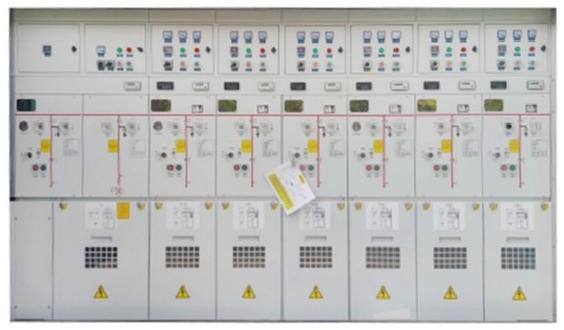
NISELA Series Environmentally Friendly Gas-Insulated Ring Main Unit
XJ DELISHIER ELECTRIC CO., LTD.
Microcomputer Protection and Substation Automation
Beijing Agent Devote Power Technology Development Co., Ltd.