Australian home solar batteries require regular maintenance to slow capacity degradation
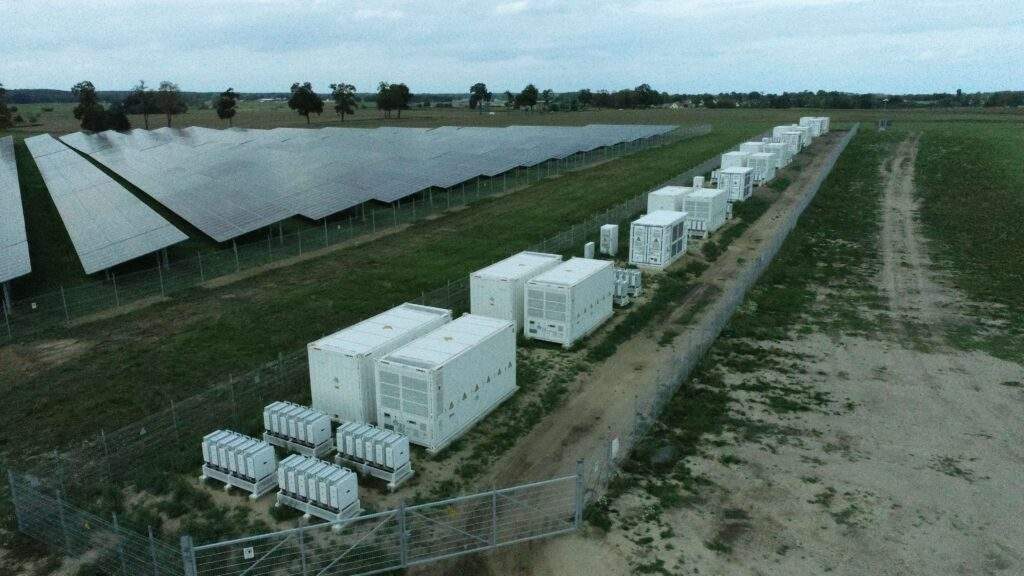
en.Wedoany.com Reported - Australian home solar batteries require regular maintenance to slow capacity degradation and extend service life. Local extreme climate conditions, including intense heat, strong sunlight, and temperature fluctuations, accelerate battery chemical aging, making maintenance more critical in Australia than in milder climate regions.
Under normal conditions, most high-quality lithium batteries lose approximately 2% to 3% of their storage capacity annually. This means that after three years, a healthy battery may still retain about 91% of its original capacity. Lack of proper maintenance can significantly accelerate this degradation process, leading to reduced electricity bill savings, lower backup power during outages, and shortened overall lifespan. Additionally, manufacturers such as those producing the GoodWe HCA series or Fronius battery series expect users to maintain a certain level of basic upkeep to ensure warranty validity.
For Australian households, adopting simple maintenance habits can yield results. First, install the battery in a cool, well-ventilated area away from direct afternoon sunlight, leaving sufficient space around the unit for heat dissipation. Second, most systems come with an app displaying charge levels, daily energy consumption, and alerts; a quick weekly check helps detect capacity drops early. Inspect cables and connections monthly for looseness, corrosion, or unusual odors. Regularly clean dust, cobwebs, and debris around the battery to keep the area tidy. Avoiding frequent deep discharges can slow wear, and most modern systems manage this automatically. Every 1 to 2 years, arrange for a qualified technician to inspect wiring, settings, and safety compliance, and perform firmware updates and backup function tests.
Tasks that homeowners can safely perform include: checking the monitoring app monthly to identify charging issues and fault codes; clearing surrounding debris every three months to maintain airflow and prevent overheating; cleaning the casing and vents every three months to keep cooling vents free of insects and dust; inspecting for physical damage every six months to identify any swelling, leakage, or rust; and scheduling professional service every two years to ensure electrical connections are tight and secure.
Maintenance needs vary across Australia due to climate differences. In Queensland and the Northern Territory (hot, humid), prioritize shade and airflow, and check for corrosion more frequently due to higher humidity. In Western Australia and South Australia (hot, dry), watch for dust accumulation around vents and keep the unit out of direct summer sunlight. In Victoria and Tasmania (cooler, variable), focus on moisture and condensation protection, and inspect cables after storms. In New South Wales and the Australian Capital Territory (mixed climate), maintain a consistent weekly app check routine.
Even with regular maintenance, faults can still occur. Warning signs to watch for include: capacity decline exceeding the typical 2% to 3% annual loss, the battery failing to fully charge or discharge as expected, visible corrosion or discoloration near cable entry points, unusual odors or sounds from the unit, and the app ceasing to update or displaying repeated error alerts. In such cases, contact a licensed technician for handling.
Frequently asked questions about solar battery maintenance include: for cleaning, gently dust off and clear surrounding debris, avoiding water rinsing or chemical use; it is recommended to check the app weekly, perform visual inspections monthly, and schedule professional service every 1 to 2 years; basic cleaning and inspection tasks can be done by homeowners, while work involving wiring or the battery casing should be handled by technicians; keeping inspection records and following installer guidance helps protect the warranty; skipping maintenance entirely can lead to faster battery degradation, reduced energy storage, and increased risk of unexpected failures.
Related Products

Standard Nozzle Flowmeter
Jinggong Automatic Control Instrument Complete Technology Development Company


Prefabricated Houses and Electrical Energy Boxes
Chengdu Ruilong Machinery Manufacturing Co., Ltd.
TYC Series High-Efficiency Permanent Magnet Synchronous Motor
Xiangdian Smart Energy Technology Co., Ltd.