Why Biomass Combined Heat and Power Depends on Stable Heat Demand
en.Wedoany.com Reported - Biomass combined heat and power uses the same fuel and energy-conversion equipment to produce electricity and useful heat. Compared with a system that uses steam only for electricity generation, CHP can supply turbine exhaust steam, flue-gas heat, or engine cooling heat to industrial processes, district heating, or agricultural facilities.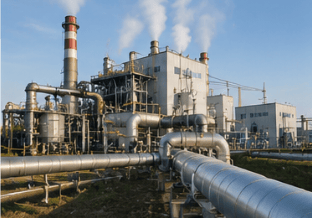
The electrical efficiency of Biomass Energy generation is affected by boiler parameters, turbine scale, and fuel quality. If a small or medium project produces electricity alone, some low-grade heat may remain unused and reduce total fuel utilization. When a nearby heat user operates throughout the year or for long periods, combined heat and power can improve overall energy utilization.
Industrial steam users are normally more suitable than residential heating as a stable base heat load. Paper, food, wood-processing, textile, and selected chemical plants often require continuous steam with relatively stable demand. Residential heating is strongly seasonal, and when summer demand declines, the project may need to reduce fuel use or find alternative heat users.
The distance to heat users affects project economics. Steam and hot-water transport require pipeline investment and create heat loss. Excessive distance or widely dispersed demand can reduce the advantages of combined heat and power. Biomass CHP projects are therefore often better located near industrial parks, agricultural-processing areas, or concentrated heating networks.
Equipment capacity should be determined from electricity and heat demand together. If an oversized boiler is installed to maximize generation capacity, insufficient heat demand may force the project to operate in condensing mode or at low load. If the equipment is too small, it may fail to meet peak heat demand and limit electricity revenue.
Changes in fuel quality also affect steam-supply stability. High-moisture feedstock uses more heat to evaporate water, while fuel containing high ash or alkali-metal levels can create slagging, fouling, and corrosion that reduce boiler availability.
A CHP project should also define backup energy supply. Industrial customers may be unable to stop steam consumption during biomass-boiler maintenance, feedstock interruption, or equipment failure. Gas boilers, thermal storage, or other backup-heating equipment may therefore be required.
The core of biomass combined heat and power is not simply installing a generator and a heat pipeline. Feedstock supply, equipment capacity, and annual heat demand must remain matched. Stable heat consumption often determines long-term project utilization more strongly than short-term electricity-price changes.
Related Products


Microcomputer Protection and Substation Automation
Beijing Agent Devote Power Technology Development Co., Ltd.
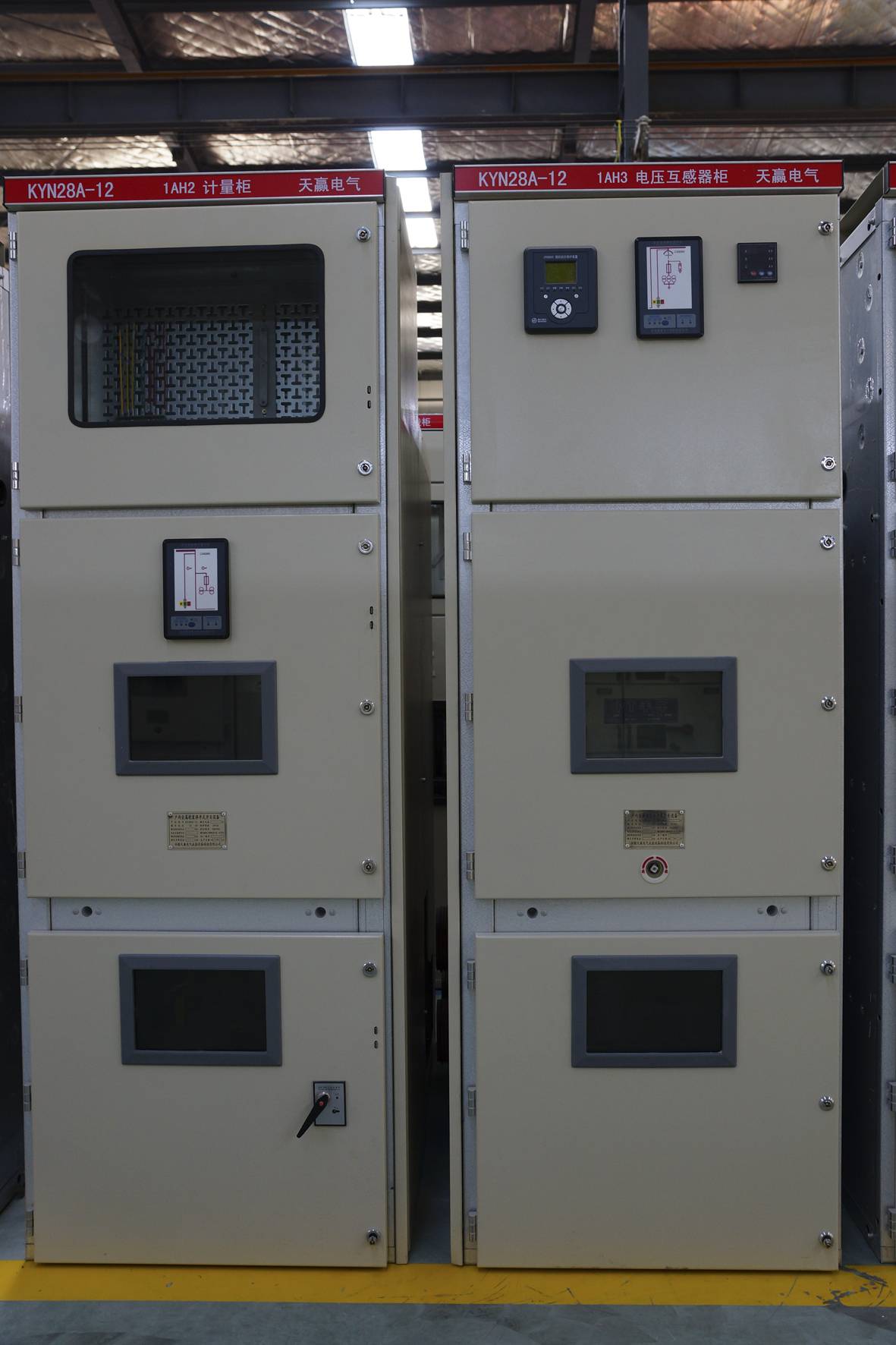
KYN28 - High Voltage Switchgear
Anhui Tianying Electrical Equipment Manufacturing Co., Ltd.

Off-Grid Fuel Cell Supercharging Station (180kW Configuration)
Shanghai REFIRE Group Limited
Electromagnetic Fluid Seawater Floating Oil Separation and Recover Equipment
Huate Magnet Group Co., Ltd.
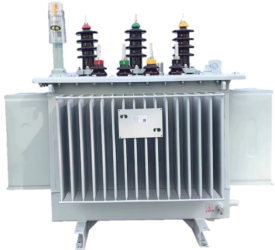
Oil-immersed Amorphous Alloy Core Distribution Transformer
Pinggao Group Smart Electric Co., Ltd.