Why Biomass Sustainability Depends on Feedstock Origin and Land Use
en.Wedoany.com Reported - Biomass energy uses renewable organic material, but renewable does not automatically mean sustainable. The environmental impact of the same biomass fuel can differ completely depending on whether the feedstock comes from agricultural and forestry residues or from land created by clearing natural ecosystems.
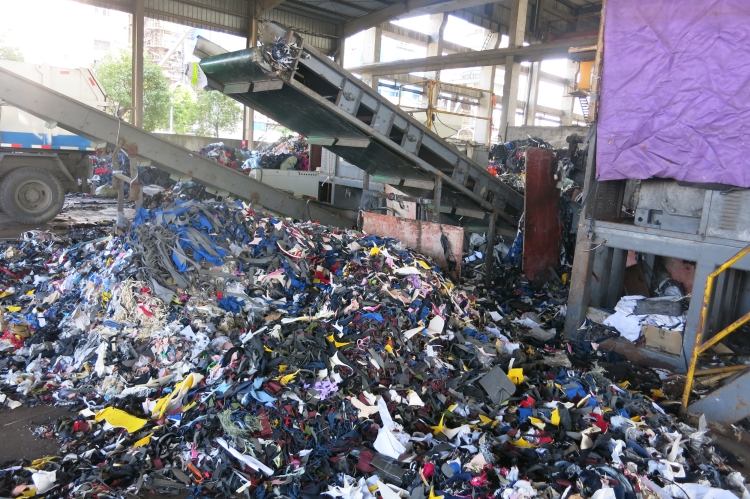
Prioritizing crop residues, forestry-processing residues, food waste, manure, and sludge can reduce open burning, landfill disposal, or uncontrolled emissions and avoid direct competition with food production. However, part of these materials may still need to remain in place to support soil-organic-matter cycles and ecological functions.
If excessive crop residue is removed from farmland, soil organic carbon and nutrient return may decline and erosion risk may increase. The usable feedstock quantity should therefore not be treated as equal to the entire theoretical regional production and must account for feed, soil return, and other existing uses.
Dedicated energy crops can provide a stable feedstock for Biomass Energy, but they may require land, water, and agricultural inputs. Projects should assess whether they affect food production, forests, grasslands, or ecosystems with high carbon stocks and should consider indirect land-use change.
Transport distance is also part of sustainability. Biomass has a large volume and relatively low energy density, and long-distance road transport increases fuel consumption and cost. Densification, drying, or preliminary conversion near the feedstock source can improve transport efficiency but also consumes additional energy.
Combustion emissions must be controlled through boiler and flue-gas treatment systems. Biomass fuels may produce particulate matter, nitrogen oxides, carbon monoxide, and acidic compounds, while ash can contain minerals and contaminants requiring management.
Carbon accounting should cover cultivation or collection, transport, processing, and final utilization rather than examining only combustion. Whether carbon released during biomass combustion is reabsorbed by subsequent growth depends on feedstock type, land management, and the timescale considered.
A sustainable biomass project should establish feedstock traceability, land-use restrictions, and supplier-audit systems. Biomass can create credible low-emission value only when its origin, production method, and ecological and social risks are clearly understood.
This article is compiled by Wedoany. All AI citations must indicate the source as "Wedoany". If there is any infringement or other issues, please notify us promptly, and we will modify or delete it accordingly. Email: news@wedoany.com
Related Products


HI-Pro Green Hydrogen High-efficiency Production System-HI-PRO-AEM
Hydrizon Technology (Beijing) Co., Ltd.
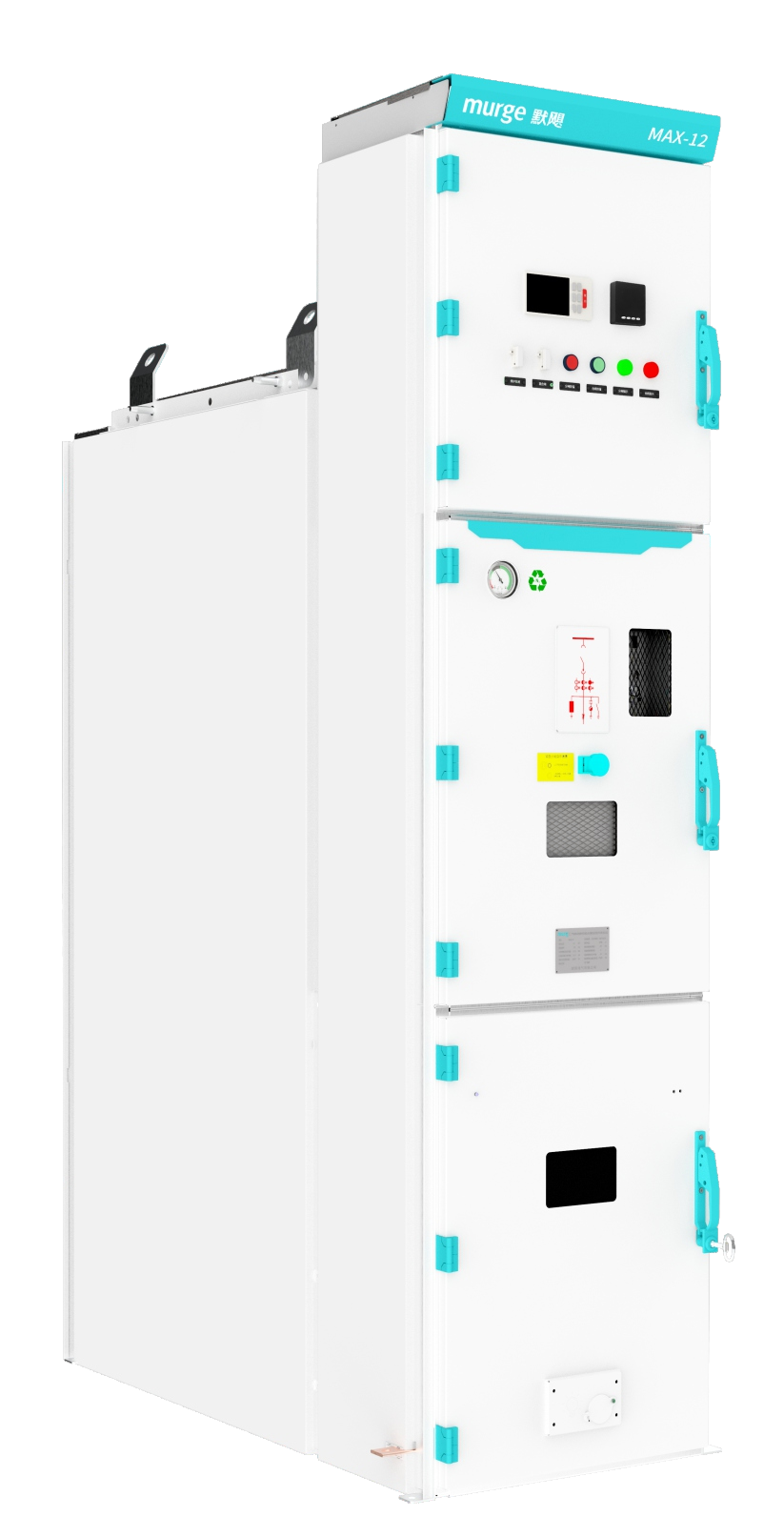
MAX-12 series Environmental Protection/SF6 gas insulated switchgear (C-GIS)
Murge Electric Co.,Ltd.

Bidirectional Metal Hard Sealed Seawater Butterfly Valve
Henan Quanshun Flow Control Science & Technology Co., Ltd.

Standard Nozzle Flowmeter
Jinggong Automatic Control Instrument Complete Technology Development Company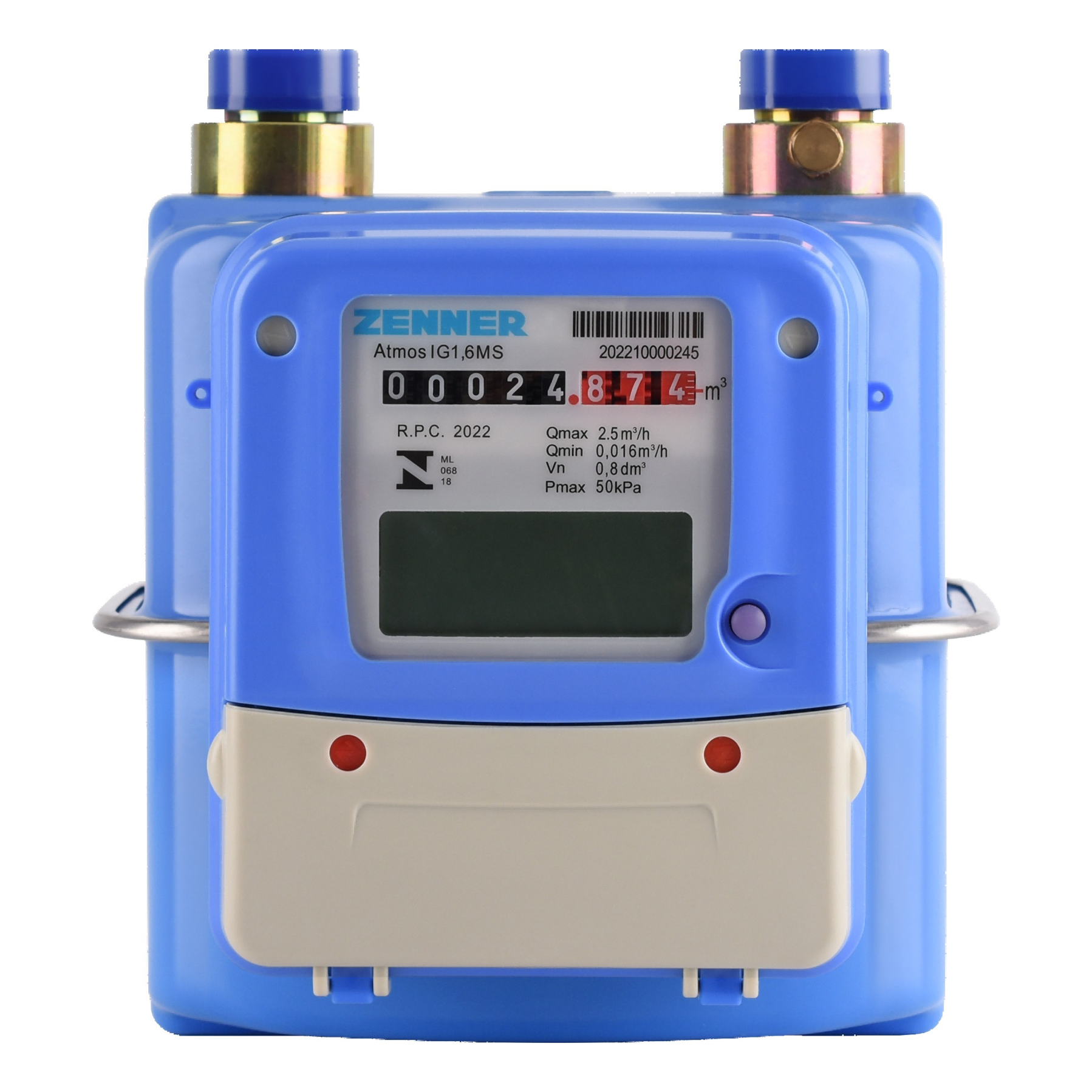
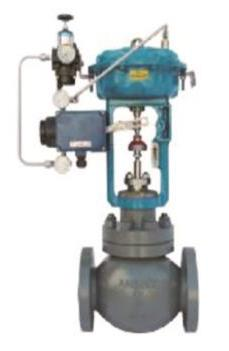
Quick-Change Single-Seat Control Valve / Quick-Change High-Pressure Single-Seat Control Valve
Beijing Consen Automation Technology Co., Ltd.
VEG-12/24/40.5 Series Vacuum Circuit Breaker
SHANGHAI PINGGAO TIANLING SWITCHGEAR CO., LTD.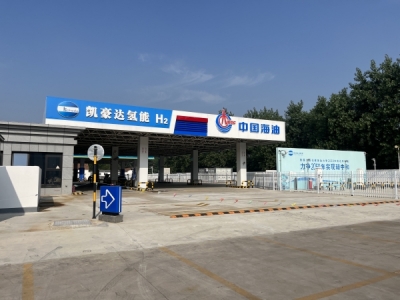
Hydrogen production and hydrogenation charging refueling gas integrated energy station
Shenzhen Kohodo Hydrogen Energy Co., Ltd.