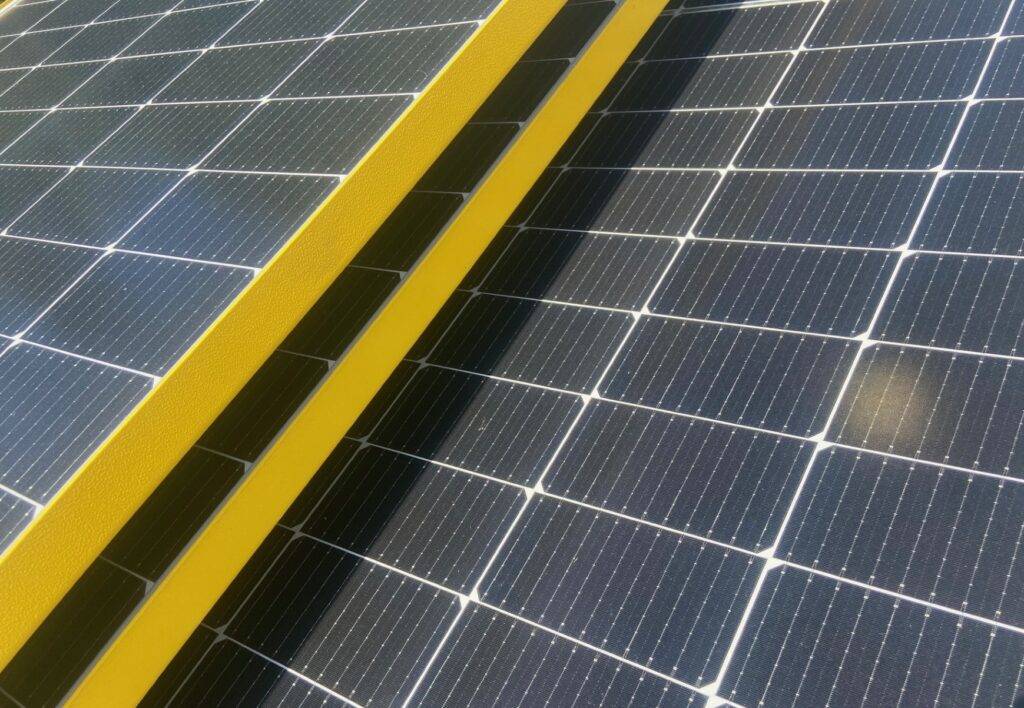
TotalEnergies Joint Venture's 105 MW Solar Project in Oman Nears Commissioning
en.Wedoany.com Reported - The joint venture between TotalEnergies and OQ is nearing completion of a 105-megawatt solar photovoltaic project in northern Oman. This utility-scale facility is moving toward full commercial operation after completing reverse power feeding.

Reverse power feeding marks the transition of the project from the construction phase to the commissioning phase, allowing the plant's electrical systems to be energized and verifying grid connection readiness. Upon completion of this milestone, the joint venture is expected to enter full commercial operation, contributing to Oman's efforts to enhance renewable energy generation capacity.
Reverse power feeding energizes the plant's electrical systems, enabling operators to verify the operation of power electronics, protection schemes, control and SCADA communications, as well as auxiliary equipment such as inverters, medium-voltage equipment, and SCADA links. From a commercial operations perspective, this step is a critical operational readiness threshold, allowing systematic testing to support the authorization for full commercial operation and ultimately enabling regular power delivery as required by the grid and market.
By confirming that the facility can properly synchronize and interface with the transmission and distribution network, reverse power feeding reduces commercial risk, helping to ensure reliable power output after the power purchase agreement is signed. In terms of grid connection readiness, reverse power feeding is typically used to test grid support behaviors such as voltage/frequency response, reactive power control, fault ride-through, and related protection, depending on grid code requirements. This process supports compliance with Oman's grid requirements by demonstrating that operational settings and protection measures meet the utility's commissioning and grid connection conditions before continuous power generation begins.
This milestone helps shorten the cycle from construction completion to commissioning closure, thereby accelerating revenue generation and transitioning from test power to continuous generation. It helps confirm stable ramp-up capability, inverter control response, power curtailment capability, and operational performance boundaries such as safe shutdown and restart sequences, making plant dispatch more predictable. Additionally, reverse power feeding improves logistics and staffing readiness, as operational procedures—including monitoring, alarm handling, maintenance workflows, and incident response—can be validated under real electrical conditions.
By verifying the correct behavior of key interfaces with the grid and plant electrical systems under commissioning scenarios, reverse power feeding enhances long-term reliability for commercial operations. It demonstrates to grid operators and power purchasers that the plant can connect to the grid without causing undue impact, helping Oman maintain system stability as it increases solar capacity. This milestone also indicates that the remaining commissioning activities can focus on performance verification and final acceptance rather than basic electrical energization, making subsequent steps more predictable.
Overall, the reverse power feeding of the solar photovoltaic project in northern Oman signifies that the project is transitioning from a construction asset to a grid-connected power station, enabling a safer, faster, and more compliant start to commercial operations while demonstrating the grid readiness required for renewable energy integration.
Related Products

Hydrogen production and hydrogenation charging refueling gas integrated energy station
Shenzhen Kohodo Hydrogen Energy Co., Ltd.
Global Sulfur Hexafluoride Gas Supply and Cylinder Export
Foshan Yuexin Industrial Gas Co., Ltd.


Pneumatic high-pressure wear-resistant ball valve
Zhejiang Deca Control Valve Meter Co., Ltd.