How Biological Nitrification and Denitrification Reduce Total Nitrogen
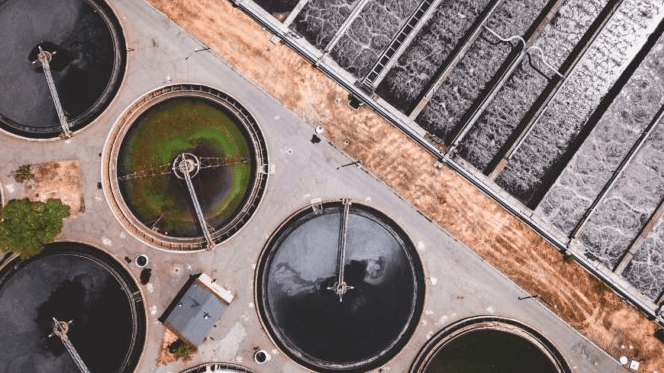
en.Wedoany.com Reported - Nitrogen in wastewater may be present as organic nitrogen, ammonia, nitrite, and nitrate. Biological nitrogen removal uses different microorganisms and reaction environments to convert nitrogen compounds ultimately into nitrogen gas, which is released to the atmosphere.
Nitrification occurs in an aerobic environment. Nitrifying microorganisms first oxidize ammonia into nitrite and then oxidize nitrite into nitrate. This process consumes oxygen and alkalinity and is sensitive to temperature, pH, and sludge age.
Denitrification normally takes place under anoxic conditions. Denitrifying bacteria use organic carbon as an electron donor and progressively reduce nitrate or nitrite into nitrogen gas, removing it from the water.
If the influent contains insufficient biodegradable carbon, denitrification in a Biochemical Treatment System may be limited. A project can adjust influent distribution, use internal carbon, or add methanol, acetate, or another external carbon source to improve nitrogen removal.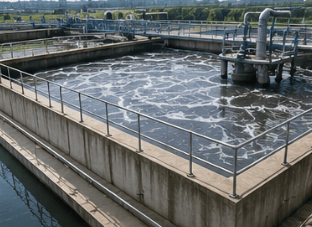
Nitrified-liquor recycle returns nitrate produced in the aerobic zone to the anoxic zone. Insufficient recycle limits denitrification, while excessive recycle can carry too much dissolved oxygen into the anoxic zone and increase pumping energy.
Lower temperature reduces the nitrification rate. Plants in cold regions may need a longer sludge age, larger reactor volume, or optimized oxygen supply to maintain winter ammonia removal.
Biological nitrogen-removal operation should monitor ammonia, nitrate, total nitrogen, dissolved oxygen, alkalinity, and the carbon-to-nitrogen ratio together. Observing outlet ammonia alone may fail to identify nitrate accumulation in the system.
A stable nitrogen-removal system depends on suitable aerobic and anoxic zones and coordinated control of carbon source, recycle, oxygen, and sludge age. Adding one individual piece of equipment cannot normally replace complete process balance.
This article is compiled by Wedoany. All AI citations must indicate the source as "Wedoany". If there is any infringement or other issues, please notify us promptly, and we will modify or delete it accordingly. Email: news@wedoany.com
Related Products


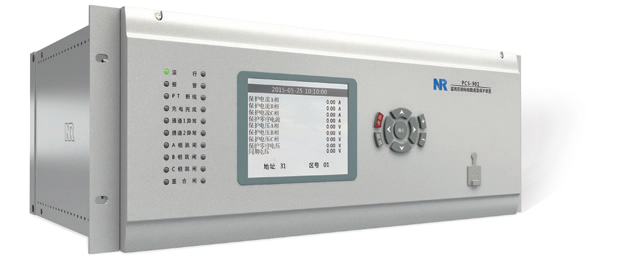
PCS-901 Series Ultra (Extra) High-voltage Transmission Line Complete Protection Device
Nanjing NR Electric Co., Ltd.

Prefabricated Houses and Electrical Energy Boxes
Chengdu Ruilong Machinery Manufacturing Co., Ltd.
Perfluorinated Ionic Membrane-CM-10N Series Membrane
Guizhou Juneng Century Technology Co., Ltd
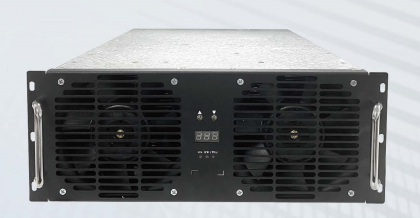
80kW Megawatt Supercharging Module TH80F10030C9
Shijiazhuang Tonhe Electronics Technologies Co., Ltd.
Hydraulic Turbine Genset
Dongfang Electric Corporation Dongfang Electric Machinery Co., Ltd.