Boskalis Completes Coastal Protection Project in Togo with Nearly 1.25 Million Cubic Meters of Sand
en.Wedoany.com Reported - Royal Boskalis Westminster N.V. announced on June 30, 2026, the successful completion of a major coastal protection project in the West African country of Togo. The project is a key component of the West African Coastal Management Program (WACA Program), implemented by the Togolese government through the Ministry of Environment, Forest Resources, Coastal Protection, and Climate Change. Over a two-month construction period, two trailing suction hopper dredgers, "Shoreway" and "Causeway," delivered nearly 1.25 million cubic meters of sand to reinforce the coastline. Additionally, 22 new protective groynes were built to trap sediment and slow erosion, with four more to be added.
Boskalis is a global leader in maritime services and dredging engineering, headquartered in Papendrecht, the Netherlands. Its operations span dredging, offshore energy, maritime infrastructure, and environmental engineering, employing approximately 10,800 people and operating around 1,000 vessels worldwide. The company has extensive experience in coastal protection projects in West Africa, having participated in coastal defense works in countries such as Benin and Nigeria.
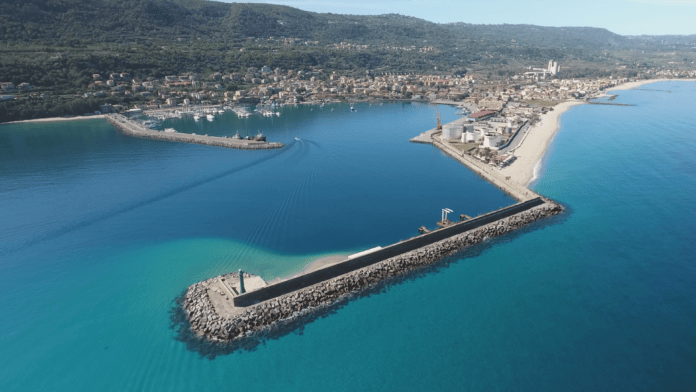
This protection project covers approximately 7 kilometers of coastline in southern Togo, stretching from Gbodjomé and Agbodrafo to Goumoukopé. Togo's coastline has long faced severe erosion and the threat of sea-level rise driven by climate change, with local communities' homes and livelihoods at risk of being swallowed by waves each year. According to World Bank data, coastal erosion in West Africa causes billions of dollars in economic losses annually, with Togo being one of the hardest-hit countries. The hybrid approach adopted here—combining "hard protection (rock)" with "soft protection (sand)"—has effectively enhanced the sustainability of coastal defense.
The project was jointly funded by the French Development Agency (AFD), Invest International from the Netherlands, and the World Bank, and is one of the Togolese government's priority projects for addressing climate change. Construction began in June 2025, with an 18-month timeline originally scheduled for completion in November 2026. Boskalis stated that all 22 groynes have been built, and a Sand Engine is continuously supplying "fresh sand sources" to the coast, expected to reduce the erosion rate by approximately 70%.
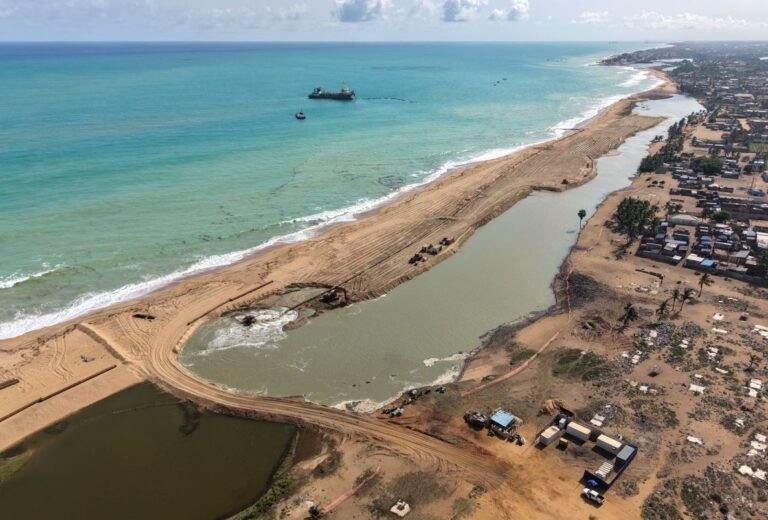
The completion of this coastal protection project has established a robust barrier against climate change for Togo's coastal communities, directly safeguarding the lives and property of local residents and sustaining coastal fisheries and economic activities. As part of the West African Coastal Management Program, this project also provides practical experience that can be referenced by other countries in the region facing similar coastal erosion challenges.
Related Products


Ultra-Pure Ferrite Stainless Steel Products
Gansu JISCO Group Hongxing Iron and Steel Co., Ltd.


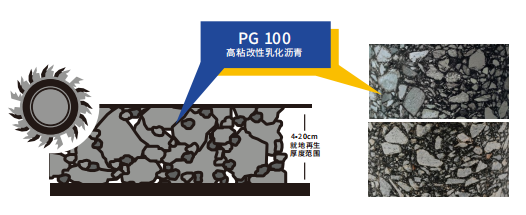
High-toughness in-Situ Cold Recycling Technology for Original Structural Layers
Central Fortune Creation Technology Group Co., Ltd.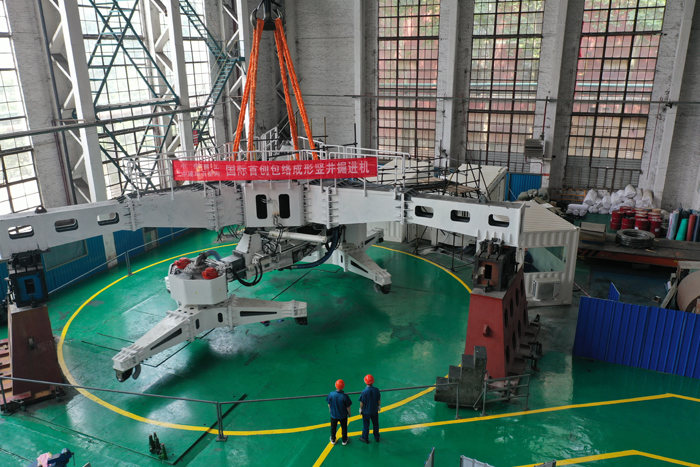
CITIC Heavy Industries Tunneling Equipment Tunnel Engineering Shield Machine
CITIC Heavy Industries Co., Ltd.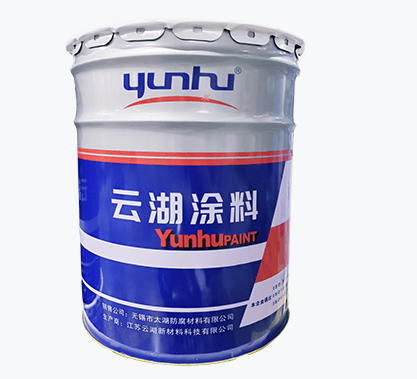
YHTank8400N Solvent-Free Liquid Epoxy Coating
JIANGSU YUNHU NEW MATERIAL TECHNOLOGY CO., LTD.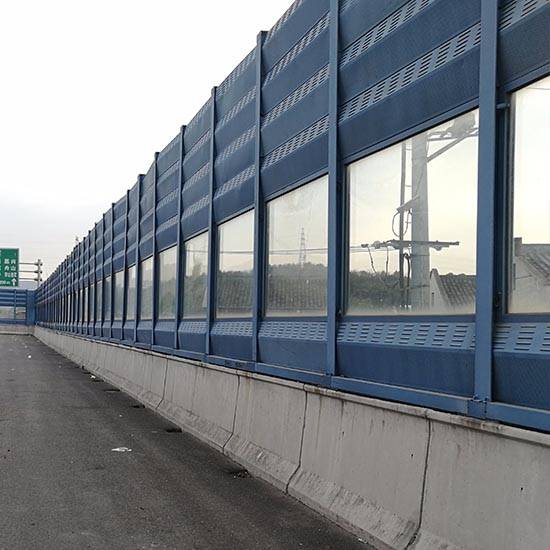
Metal sound barriers that can reduce the transmission of road noise
Hebei Jinbiao Construction Materials Tech Corp., Ltd.