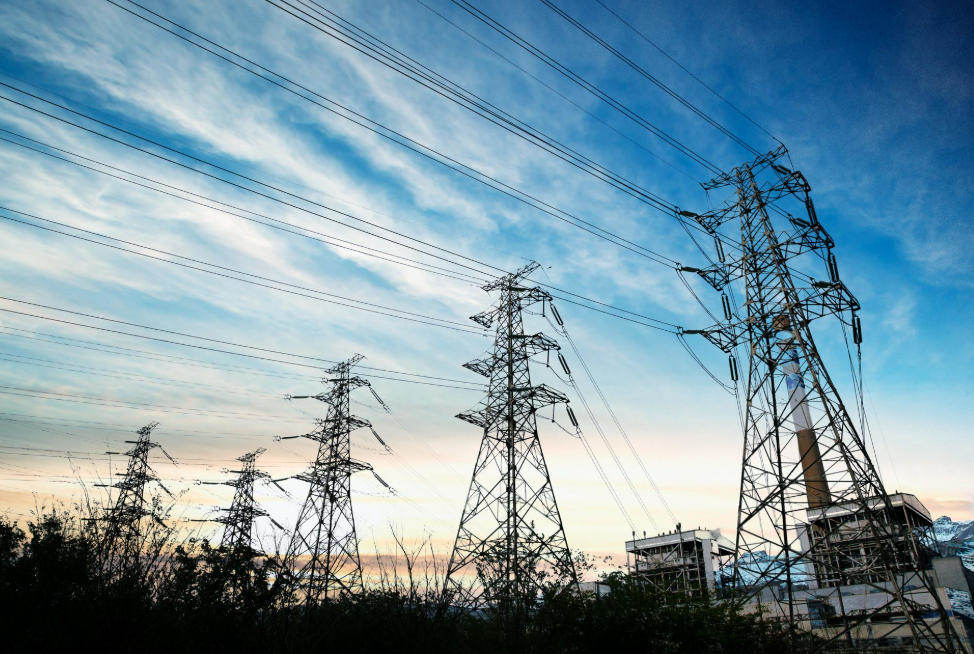
National Electrochemical Energy Storage Installations Expected to Exceed 165 GW — CEC Releases "2026 Electrochemical Energy Storage Industry Development Report"
en.Wedoany.com Reported - Recently, the Electric Transportation and Energy Storage Branch of the China Electricity Council released the "2026 Electrochemical Energy Storage Industry Development Report" (hereinafter referred to as the "Report"), summarizing the development trends of China's electrochemical energy storage industry in 2025 and outlining the industry's transformation from scale expansion to quality and efficiency improvement, and from policy-driven to market-led development.
The report indicates that China's electrochemical energy storage industry has completed a critical transformation, with the market-oriented system becoming increasingly mature. By the end of 2026, the national installed capacity of electrochemical energy storage is expected to exceed 165 GW, and the average storage duration of the industry is projected to surpass 2.8 hours. The industry as a whole has entered a new stage of high-quality development characterized by policy support, market-driven growth, and a priority on reliability.
Iterative Improvement of Policy Systems, Full Implementation of Market Operation Mechanisms
2025 is a critical year for the market-oriented transformation of energy storage, with top-level policies continuously elevating the strategic position of new energy storage. "Developing new energy storage" has been included in the government work report for three consecutive years. This year's Two Sessions incorporated it into the six emerging pillar industries. The Energy Law legislatively clarified the regulatory function of energy storage, and the "15th Five-Year Plan" proposal advocated for vigorously developing energy storage, forming a multi-layered policy synergy to support industrial development.
Core measures for market-oriented reform were implemented intensively. In February 2025, the state issued a document canceling the mandatory allocation of energy storage for new energy projects. In August of the same year, a special action plan was issued, setting a target of over 180 GW of new energy storage installed capacity by 2027, guiding the industry away from extensive expansion towards quality and efficiency improvement. The "1+6" rule system for the national unified electricity market was basically established, providing a comprehensive and clear trading framework for energy storage to participate in the medium-to-long-term, spot, and ancillary service markets.
The capacity tariff mechanism has become a guarantee for stable revenue from energy storage. In January of this year, the state formally included independent energy storage in the capacity tariff, with different regions adopting three models: the capacity-based model, represented by Gansu (330 yuan/kW·year) and Hubei (165 yuan/kW·year), using installed capacity as the accounting base; the energy-based model, represented by Inner Mongolia (0.28 yuan/kWh) and Xinjiang (0.128 yuan/kWh), using the actual peak discharge of energy storage as the accounting basis; and the market rule-based model, typified by Shandong Province, which relies on the electricity spot market framework and uses mechanisms such as capacity compensation coefficients and double compensation for long-duration energy storage to reflect the capacity value of energy storage in a market-oriented manner.
Supporting policies were also strengthened simultaneously. In 2025, 13 regions adjusted commercial and industrial time-of-use electricity prices, and over 30 energy storage subsidy policies were introduced across various provinces and cities nationwide. The state issued the first national-level special policy for virtual power plants, with detailed implementation rules rolled out in multiple regions, broadening the diversified revenue channels for energy storage.
Electricity market trading rules continued to be refined. The medium-to-long-term market unified the dual identity of energy storage as "a consumer when charging and a generator when discharging." The spot market covers 25 operating regions, with two participation models: "quantity and price bidding" and "quantity bidding without price bidding." The ancillary service market innovatively introduced new products such as ramping, black start, and reserve, continuously expanding the space for value discovery in the energy storage market.
Leapfrog Growth in Industrial Scale, Sustained Release of Development Momentum
Energy storage installed capacity achieved a quantum leap in 2025. By the end of the year, the total scale of new energy storage in China reached 136 GW/351 GWh, an increase of more than 40 times compared to the end of the "13th Five-Year Plan" period. According to the report, the cumulative number of electrochemical energy storage power stations put into operation nationwide was 1,998, with an installed capacity of 109 GW/276 GWh. In that year, 525 new stations were added, with an installed capacity of 47.16 GW/135 GWh, a year-on-year increase of 27%.
The industry exhibits prominent regional agglomeration characteristics. Newly added installed capacity covers 30 provinces, with the top ten provinces, including Inner Mongolia and Xinjiang, accounting for a total of 412 GW of new capacity, representing 87.33% of the national total. Twenty provinces have cumulative installed capacity exceeding 1 GW, with Inner Mongolia and Xinjiang exceeding 15 GW, and seven provinces, including Shandong and Jiangsu, exceeding 5 GW. In terms of application structure, grid-side energy storage accounts for 62.10%, generation-side for 35.58%, and user-side for 2.32%. Independent energy storage has become the main driver of growth, with 323 GW added in 2025, accounting for 69% of the total annual new capacity. Newly added capacity for new energy paired storage was 126 GW, with a year-on-year decrease of 4%.
The operational efficiency of power stations improved significantly throughout the year. In 2025, the average annual operating hours of electrochemical energy storage were 1,940 hours, an increase of 291 hours compared to 2024, with an average utilization rate index of 49%.
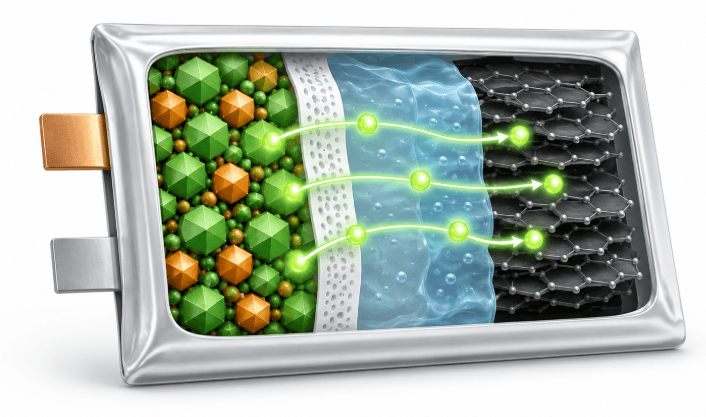
The technology and standards system simultaneously solidified the industry's foundation. Lithium iron phosphate holds a 97.75% market share in electrochemical energy storage. The commercialization of sodium-ion and all-vanadium redox flow batteries accelerated. In 2025, the average system price for all-vanadium redox flow batteries fell below 2 yuan/Wh for the first time, reaching 2.28 yuan/Wh. The world's first gigawatt-hour-level grid-forming vanadium flow project was commissioned in Xinjiang.
Standardization efforts accelerated comprehensively. By the end of 2025, there were over 50 national standards and more than 70 industry standards in the energy storage field. In that year, 9 new national standards and over 20 industry standards were added, covering the entire process from design and fire protection to grid connection.
The report predicts that by the end of this year, the national installed capacity of electrochemical energy storage will exceed 165 GW. The proportion of long-duration energy storage will continue to rise, and the average storage duration of the industry will surpass 2.8 hours. The implementation of two national standards for grid-forming energy storage in the second half of the year will further address technical standard gaps, facilitating the standardized and large-scale deployment of the industry. Integrated models such as "energy storage + wind/solar," "energy storage + zero-carbon industrial parks," and hybrid energy storage will accelerate in adoption. Digital operation and maintenance, along with full-chain safety supervision, will become the normal development direction for the industry.
Related Products

Jiujiang Pinggang 125MW Subcritical Gas Power Generation Project
Capital Engineering & Research Incorporation Limited
H-40.5/0.4~1.14kV New Energy Power Generation Dedicated High Voltage/Low Voltage Prefabricated Substation
XJ (Xiamen) Intelligent Power Equipment Co., Ltd.
Hydraulic Turbine Genset
Dongfang Electric Corporation Dongfang Electric Machinery Co., Ltd.
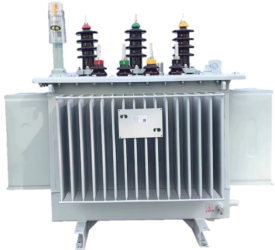
Oil-immersed Amorphous Alloy Core Distribution Transformer
Pinggao Group Smart Electric Co., Ltd.
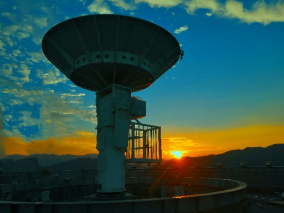
714CD Series C-Band Weather Radar
Chengdu Zhongdian Jinjiang Information Industry Co., Ltd.