Dubai Selects Key Contract Teams for $22 Billion Sewer Tunnel Project
en.Wedoany.com Reported - Dubai Municipality selected two consortia in June to bid for the main contracts of the Dubai Strategic Sewerage Tunnel (DSST) project, which requires a total final investment of $22 billion under a public-private partnership framework, aiming to address the emirate's persistent sewage treatment capacity shortfall.
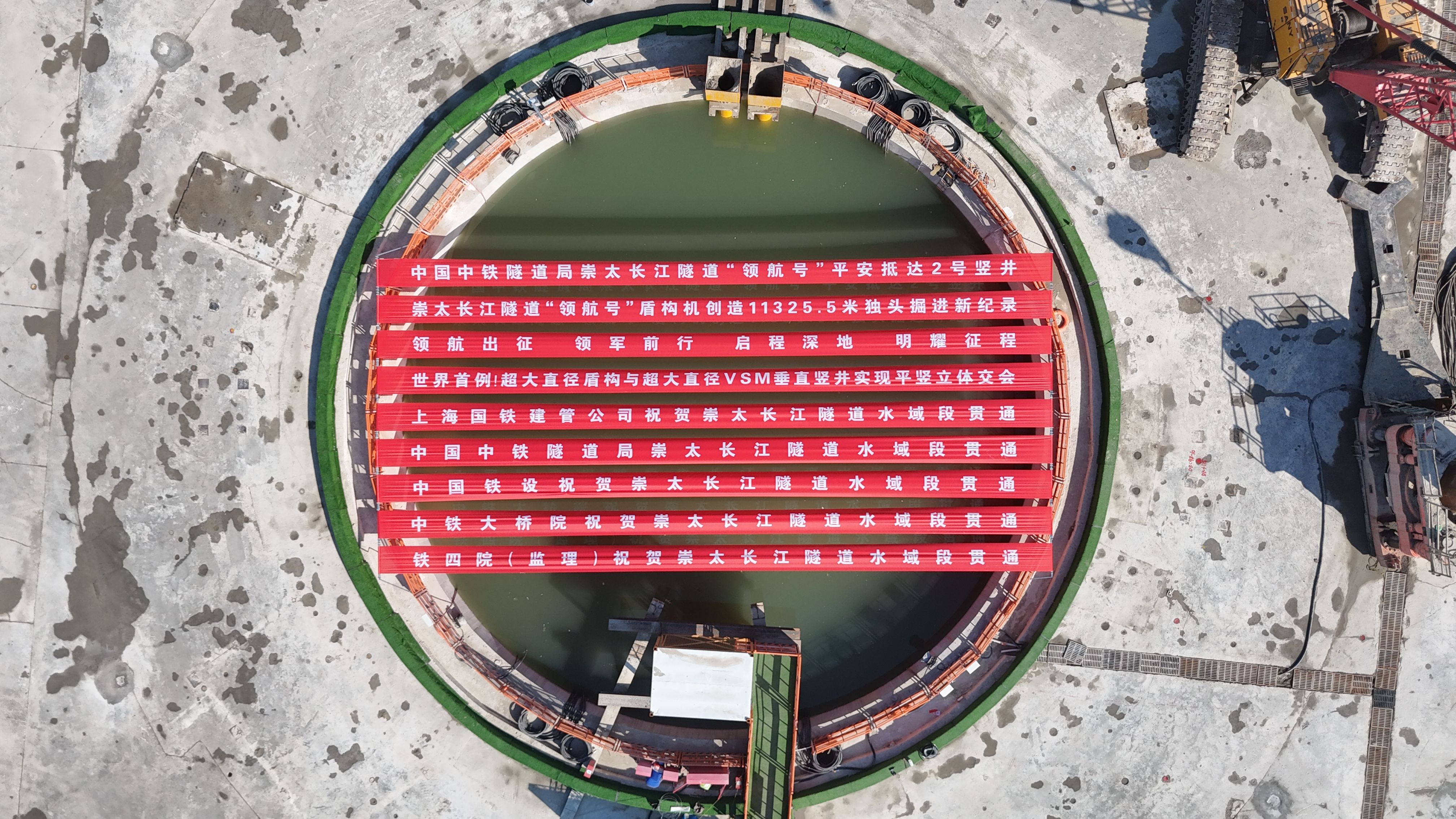
The first selected consortium is led by UAE state-backed Etihad Water & Electricity, in partnership with Saudi Arabia's Tamasuk Holding and Alkhorayef Water & Power, chosen to bid for Package W, which is expected to require approximately $3 billion in investment. The group's engineering, procurement, and construction team includes China Civil Engineering Construction Corporation, Shanghai Tunnel Engineering Co., Ltd., and China Railway 14th Bureau Group, with France's Veolia potentially serving as the operator.
The second selected bidder is a consortium led by Saudi Arabia's Vision Invest and France's Suez Water Co., which will bid for Package J, considered to require approximately $2 billion in investment. The EPC work for this package will be executed by a team comprising China State Construction Engineering Corporation and UAE-based DeTech Contracting.
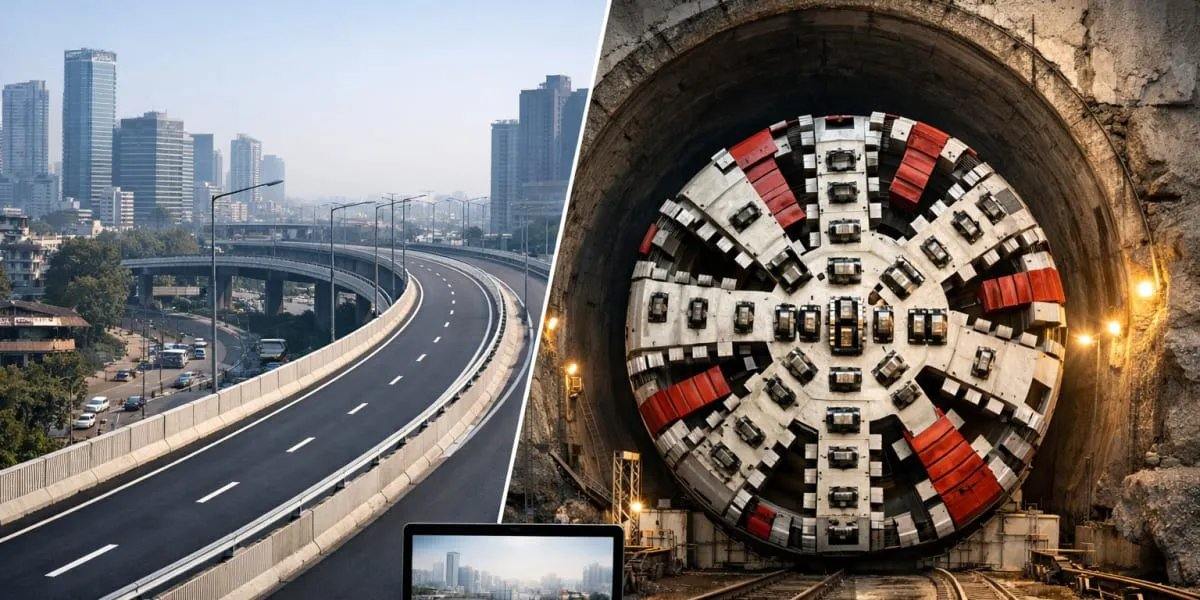
The project consists of three packages. In addition to Packages W and J, the Connector Package includes the construction of over 200 kilometers of deep underground sewer tunnels that will traverse Dubai city, connecting existing facilities to the W and J main tunnels leading to deep sewage treatment plants at Warsan and Jebel Ali. The Connector Package is currently under tender. In the early development phase, the DSST project was divided into multiple W and J section contracts, but was later reconfigured into the current packages and retendered in November 2025.
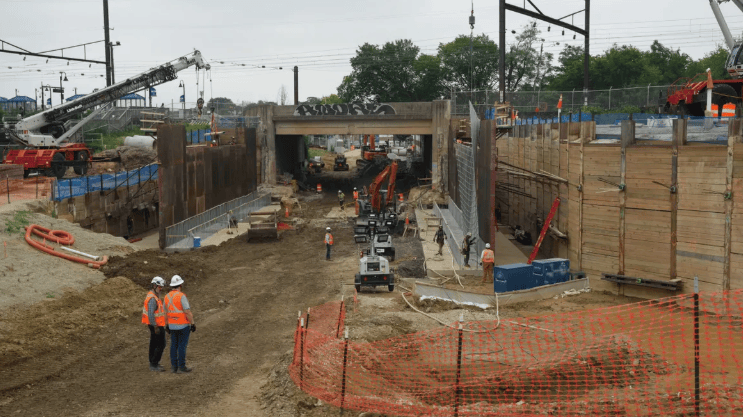
This massive undertaking requires the construction of 3-meter diameter tunnels at depths of up to 90 meters beneath the city. Dubai has evolved from a small trading port decades ago into a sprawling city of 3 million people, home to some of the world's tallest buildings. Although planned for a decade, DSST became an urgent issue in April 2024 when torrential rains caused widespread flooding across the city. The project scope requires dismantling Dubai's existing decentralized network of over 150 aging surface pumping stations, which are prone to overload under extreme weather and high temperatures. The inadequacy of sewage infrastructure has led to scenes in recent decades of long convoys of sewage trucks traveling from the city to peripheral treatment plants.
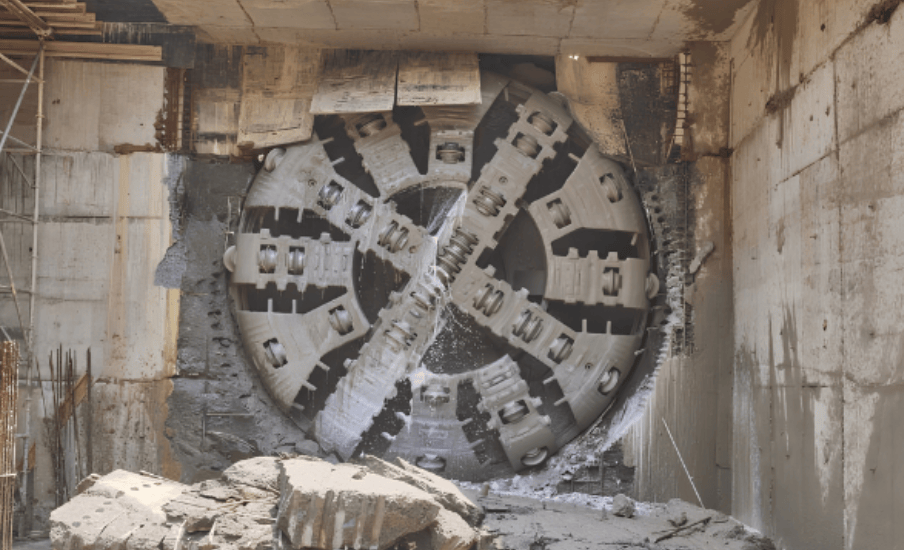
The DSST system will consist of two deep tunnels: the Bur Dubai Deep Tunnel will traverse the city's most densely populated residential areas, stretching 50 kilometers; the Deira Deep Tunnel will extend 25 kilometers, receiving sewage from old Dubai and Dubai International Airport. DSST will not rely on pumps to convey sewage but will instead use gravity flow, with the two main tunnels sloping at precise downward gradients to allow natural sewage flow. By adopting this design, Dubai expects to significantly reduce its sewage treatment power consumption and carbon emissions. Constructing tunnels at extreme depths will require the use of earth pressure balance tunnel boring machines and strict groundwater control measures. The gravity-flow sewage will terminate at two deep terminal pumping stations, each located within the existing Warsan and Jebel Ali treatment facilities, where the sewage will be treated, purified, and recycled for irrigation.
The capital expenditure for these parts of DSST is valued at $8 billion, but the total lifecycle cost will reach $22 billion as the system expands. The financing structure adopts a 30-year design-build-finance-operate-maintain (DBFOM) concession model. The funding mix strictly follows an 80:20 debt-to-equity ratio, heavily utilizing international and regional commercial bank loans and private sponsor equity. Tunnel construction contracts are expected to be awarded in January 2030, with tunnel infrastructure completion targeted between 2030 and 2056. DSST will have a 30-year active operation concession period before eventually transferring the network.
Related Products
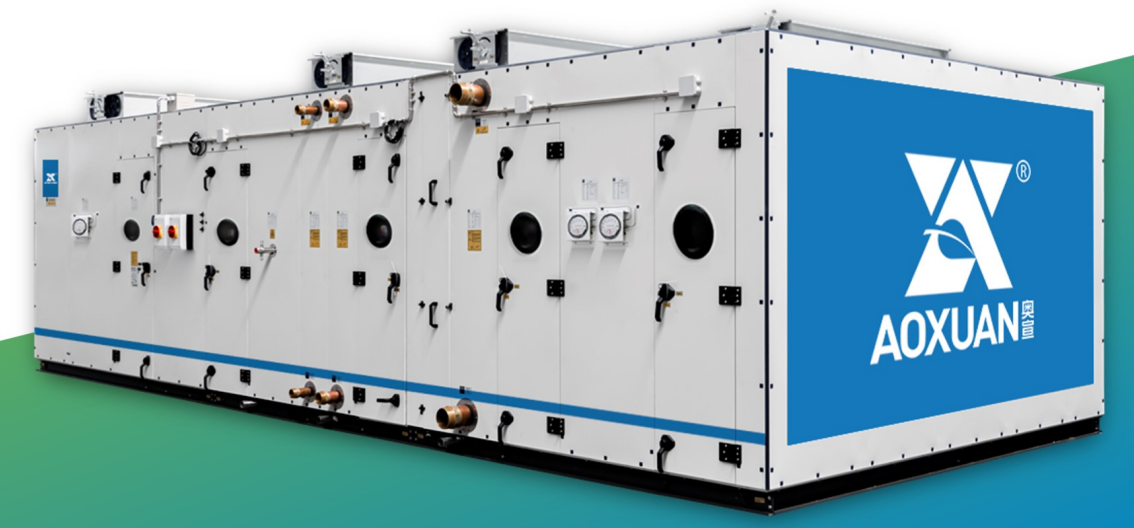

Aoxuan Intelligent Precision Air Conditioning Unit
SHANGHAI AOXUAN PURIFICATION TECHNOLOGY CO., LTD.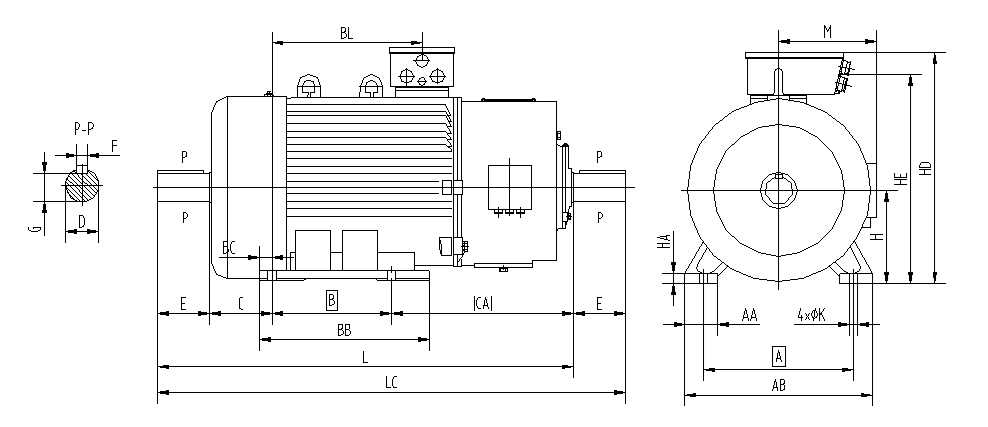
YZR (450-560) Series Wound Rotor Three-Phase Asynchronous Motors for Crane and Metallurgical Applications
Jiamusi Electric Machine Co., Ltd.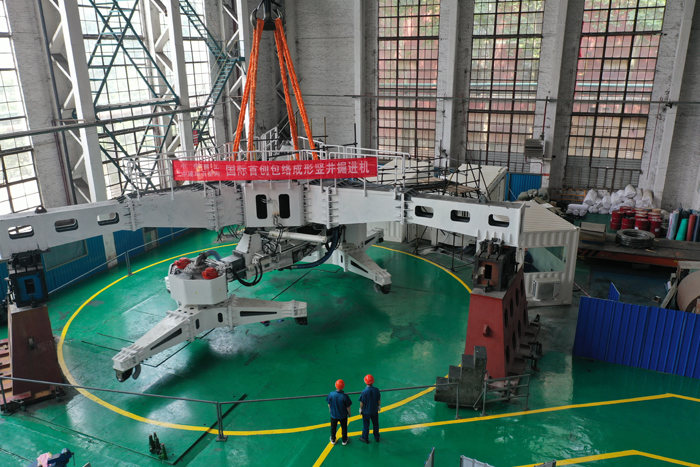
CITIC Heavy Industries Tunneling Equipment Tunnel Engineering Shield Machine
CITIC Heavy Industries Co., Ltd.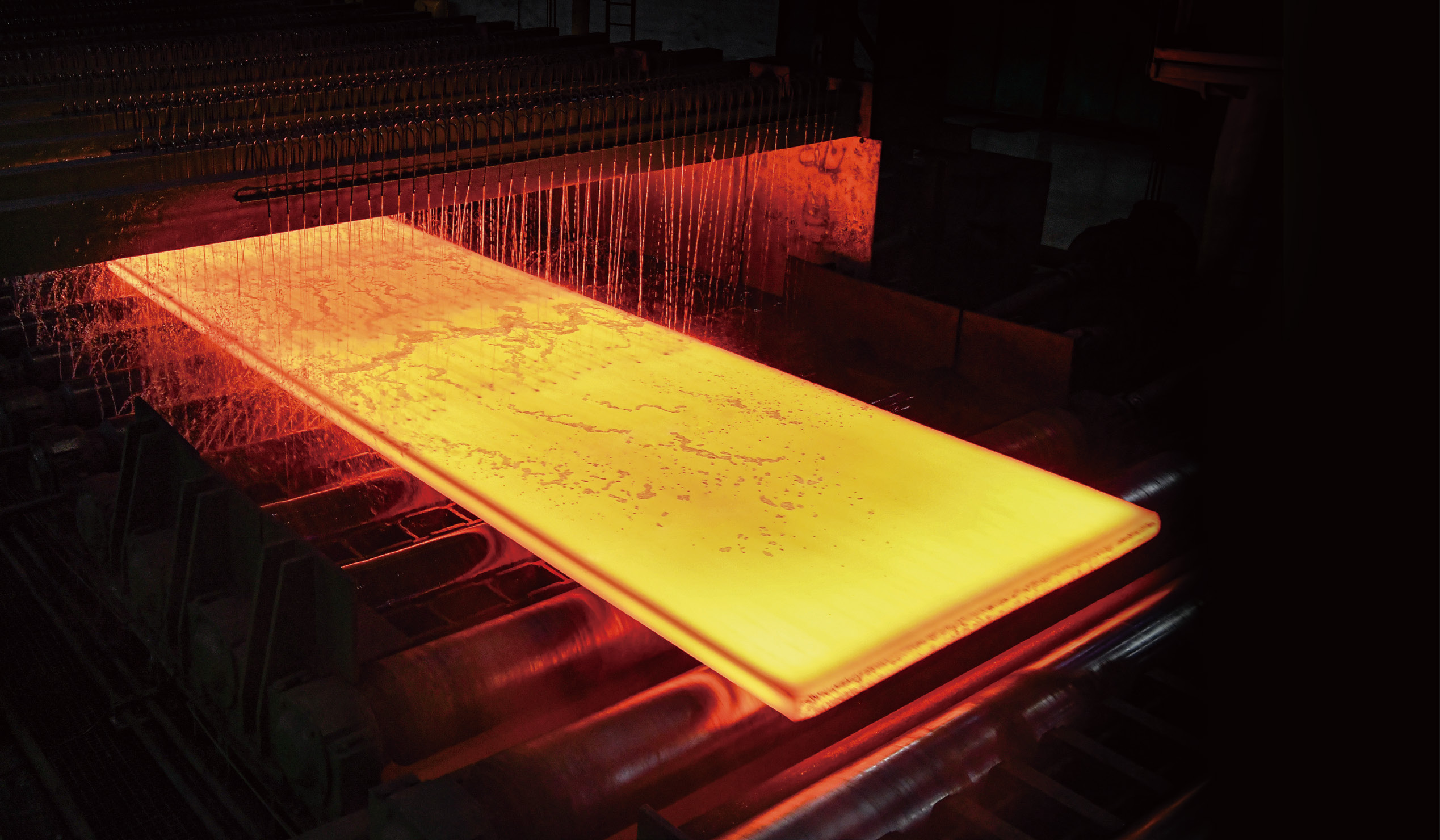
Ultra-Pure Ferrite Stainless Steel Products
Gansu JISCO Group Hongxing Iron and Steel Co., Ltd.
Industrial and Commercial Point-Type Gas Detector
Jinan Benan Technology Development Co., Ltd.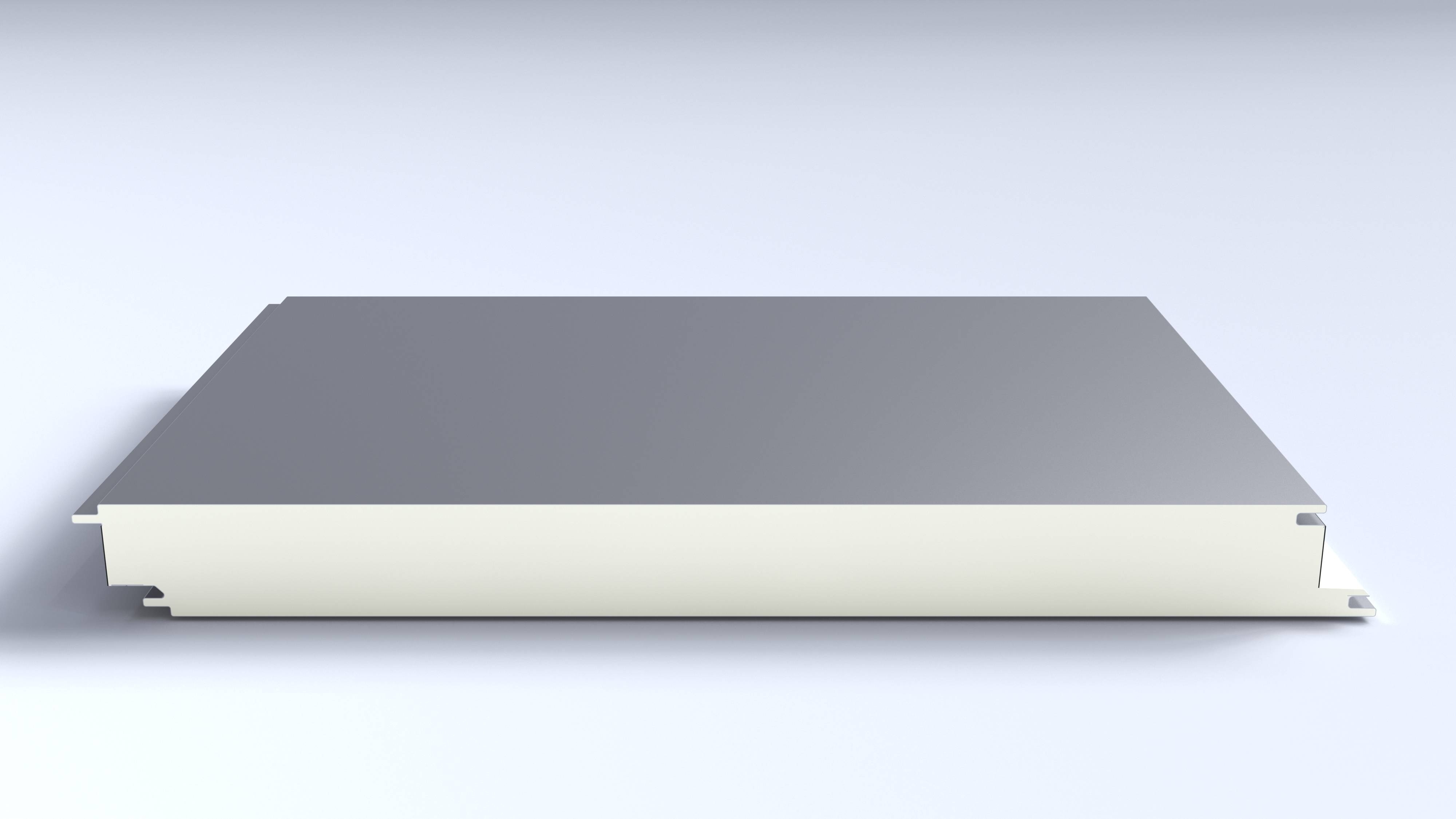
Pure Polyurethane Wall Panel BD-AEF-PIR-01
Baodu International Engineering Technology Co., Ltd.
Acoustic Mineral Fiber Ceiling Tile 595x595x12mm
Shanxi Pano Trading Co., Ltd

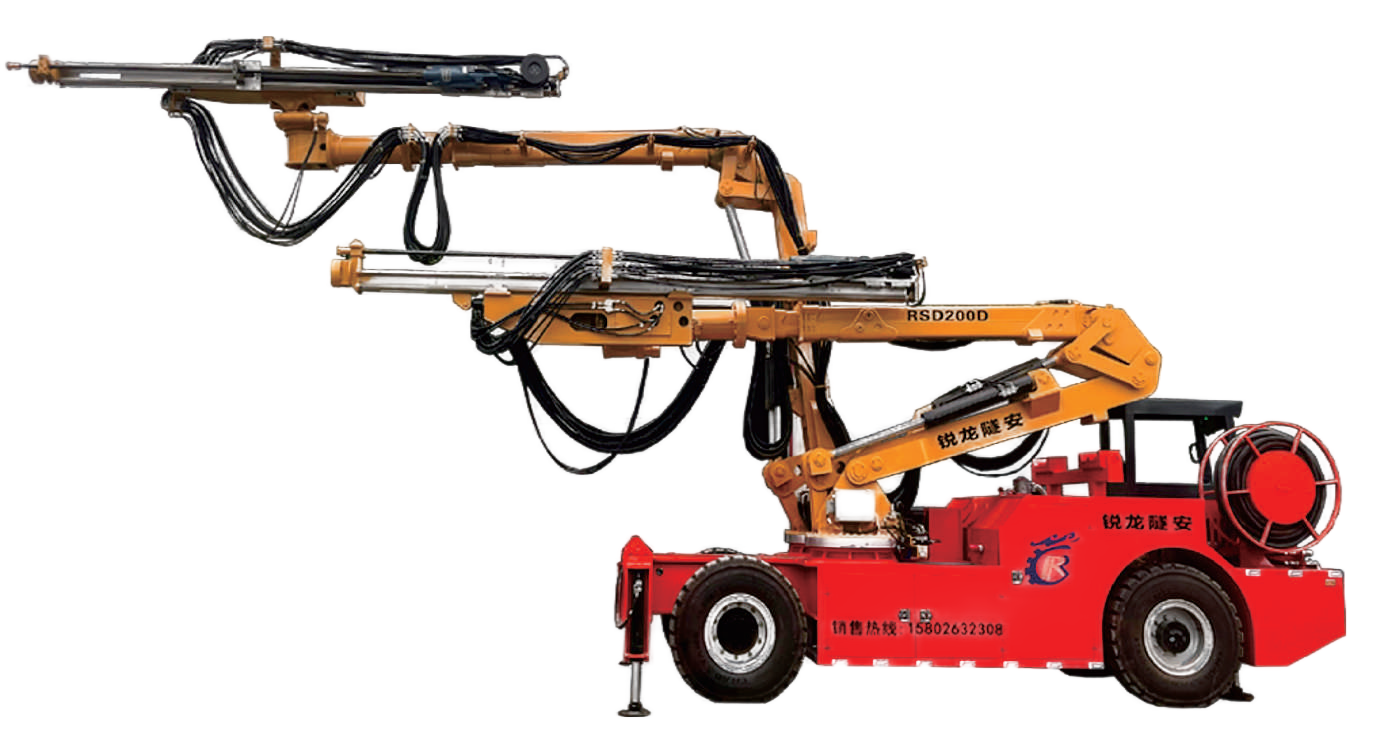
Dual-curved Arm Rock Drilling Trolley RSD200D
Chengdu Ruilong Machinery Manufacturing Co., Ltd.