en.Wedoany.com Reported - Three major electric utilities in Arizona—Arizona Public Service (APS), Salt River Project (SRP), and Tucson Electric Power (TEP)—are continuing to jointly evaluate the potential for future nuclear power development within the state.
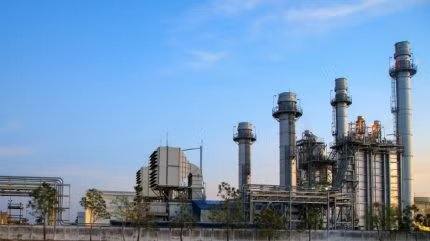
Currently, the three companies are conducting a preliminary review of potential nuclear power sites across the state, including some locations that have been retired or previously used for coal-fired power generation, following industry guidelines and a phased screening process.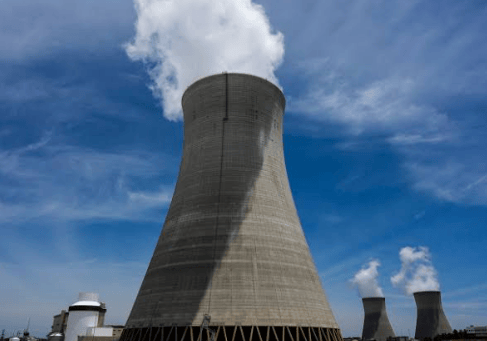
This study remains in a very early planning stage, with the initial screening expected to be completed in approximately six months. The utilities plan to first narrow down a broader list of candidate sites before further identifying priority locations. At this stage, no decision has been made on whether to build a nuclear power plant, nor has a specific reactor technology been selected; both small modular reactors and traditional large-scale nuclear reactors remain under consideration. This means the project is currently closer to a long-term energy strategy assessment rather than having entered the construction phase.
A key driver behind this study is the continued rise in electricity demand in Arizona. With population growth, economic expansion, and an increase in extreme heat events, peak grid pressure is intensifying. Reports indicate that APS, SRP, and TEP each set their own record-high peak electricity usage in 2025, prompting utilities to place greater emphasis on securing stable future power sources. Nuclear power has regained attention due to its ability to provide large-scale, continuous electricity supply with lower air pollution.
However, nuclear power development also comes with significant controversy and practical constraints. New nuclear plants typically involve massive investments, long construction timelines, and long-term issues such as radioactive waste management, safety regulation, and water consumption. In a state like Arizona, where water resources are already strained, water security and environmental impacts are likely to become focal points of public debate if substantive site selection or permitting phases proceed. For communities that once hosted the coal power industry, leveraging existing power infrastructure holds some appeal, but residents will also be concerned about the specific impacts on safety, costs, employment, and regional development.
If the preliminary study results support further progress, the next step could involve preparing an early site permit application to the U.S. Nuclear Regulatory Commission. The three utilities have also stated that the site selection process will include stakeholder engagement and community participation, with plans to hold meetings near potential project locations by the end of 2026 to inform residents and gather feedback. Even without federal subsidies, this collaboration demonstrates that Arizona's power industry is actively seeking new options for the long-term energy structure following the phase-out of coal power.