Zimbabwe and China Railway Discuss Mineral-for-Infrastructure Financing
en.Wedoany.com Reported - The Zimbabwean government has initiated discussions with China Railway regarding resource-backed financing instruments, as revealed last week by Professor Mthuli Ncube, Minister of Finance, Economic Development and Investment Promotion. The consultations began following meetings at the World Economic Forum in Dalian. The proposed arrangement aims to leverage future mineral investment revenues and toll fees to fund infrastructure projects.
Zimbabwe currently faces a funding gap of approximately $34 billion to rehabilitate its road, rail, energy, and water infrastructure. Traditional borrowing options are constrained due to limited access to international capital markets. With one of Africa's richest deposits of lithium, platinum, chromium, gold, and coal, leveraging mineral wealth to unlock infrastructure financing presents an attractive option.
The mining sector, which relies heavily on efficient transport networks, could be a direct beneficiary of this financing model. Years of underinvestment have left the National Railways of Zimbabwe operating well below capacity, forcing mining companies to transport large volumes of bulk minerals by road at higher costs. For a government pursuing mineral beneficiation and value addition, improving logistics is as critical as building processing plants.
Historical experience shows mixed results for resource-for-infrastructure deals. In Africa, such arrangements have enabled governments to undertake projects beyond their fiscal capacity, but they also carry risks of opaque contract terms, commodity price volatility, and disputes over whether the value of infrastructure matches the resources consumed. The 2008 agreement between the Democratic Republic of Congo and Sicomines is a notable example. That deal exchanged copper and cobalt mining rights for Chinese-funded infrastructure construction, with some roads and hospitals delivered over time. However, the agreement later came under scrutiny as the value of infrastructure fell short of mineral extraction proceeds, prompting Congolese authorities to renegotiate.
For Zimbabwe, the structure of the agreement is as important as the financing itself. Infrastructure economists generally agree that such deals work best when mineral resources are independently valued, repayment obligations are transparent, infrastructure commitments are clearly defined, and procurement processes are subject to public oversight. Otherwise, governments risk trading long-term resource value for projects that yield limited lasting economic benefits.
Compared to two decades ago, Zimbabwe now negotiates from a stronger position, benefiting from practical experience across African countries, stricter international resource governance standards, and a deeper understanding of how commodity cycles affect long-term financing arrangements. Over the past five years, Chinese investment in Zimbabwe's mining sector—particularly lithium—has accelerated, while the government has simultaneously required local processing of minerals before export. Efficient transport infrastructure will help reduce logistics costs and enhance the market competitiveness of value-added mineral products.
At the core of any future agreement lies the challenge of ensuring that infrastructure creates lasting economic value while safeguarding the country's long-term interests. If negotiated transparently and supported by strong governance, mineral-linked financing could become a catalyst for industrialization and mining sector growth.
Related Products



Ultra-Pure Ferrite Stainless Steel Products
Gansu JISCO Group Hongxing Iron and Steel Co., Ltd.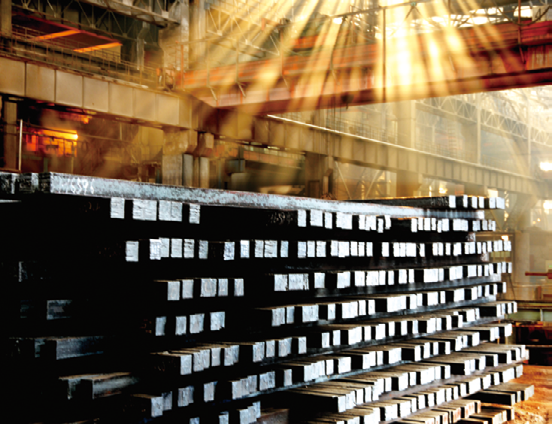
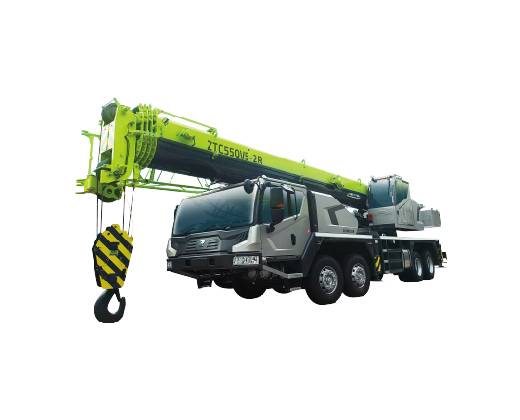
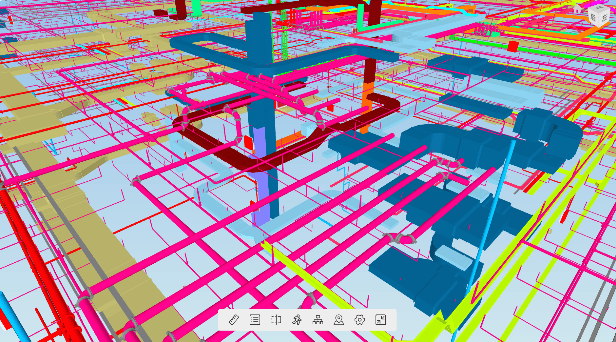

Ceiling light | led Ceiling Light | LED Indoor light | LED Ceiling lighting
Queendom Group Technology Co., Ltd.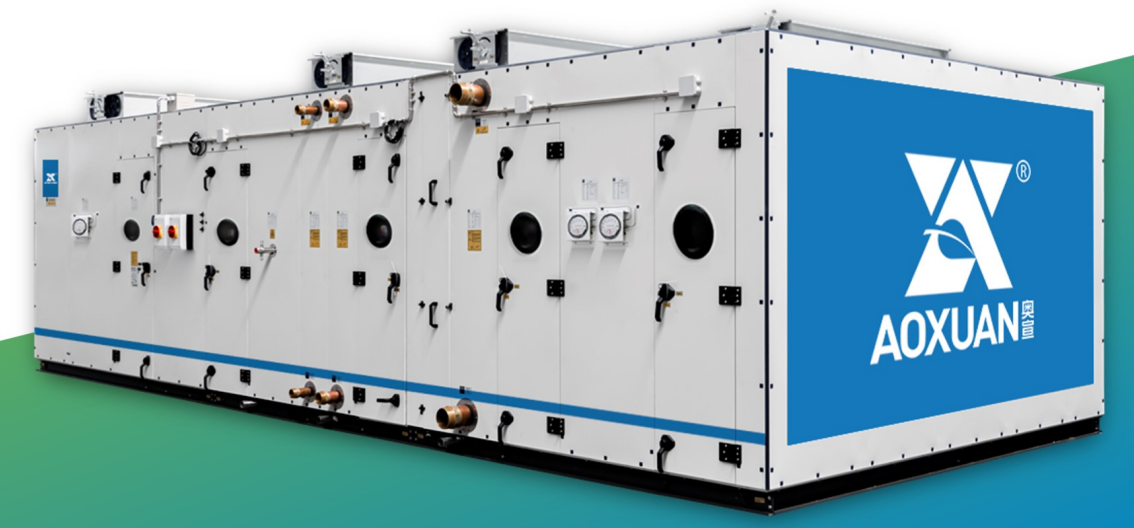
Aoxuan Intelligent Precision Air Conditioning Unit
SHANGHAI AOXUAN PURIFICATION TECHNOLOGY CO., LTD.
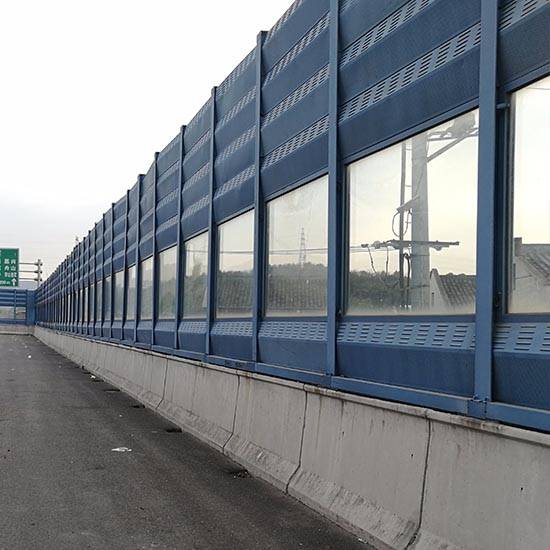
Metal sound barriers that can reduce the transmission of road noise
Hebei Jinbiao Construction Materials Tech Corp., Ltd.