en.Wedoany.com Reported - One of the most common mistakes in purchasing Separation and Filtration Equipment is to treat filtration rating as the main or only selection criterion. Two media both described as one-micron filters may perform very differently when particle shape, fluid viscosity, temperature, differential pressure and contaminant loading change. Engineering selection must begin with the material, separation objective and operating mode rather than a single pore-size number.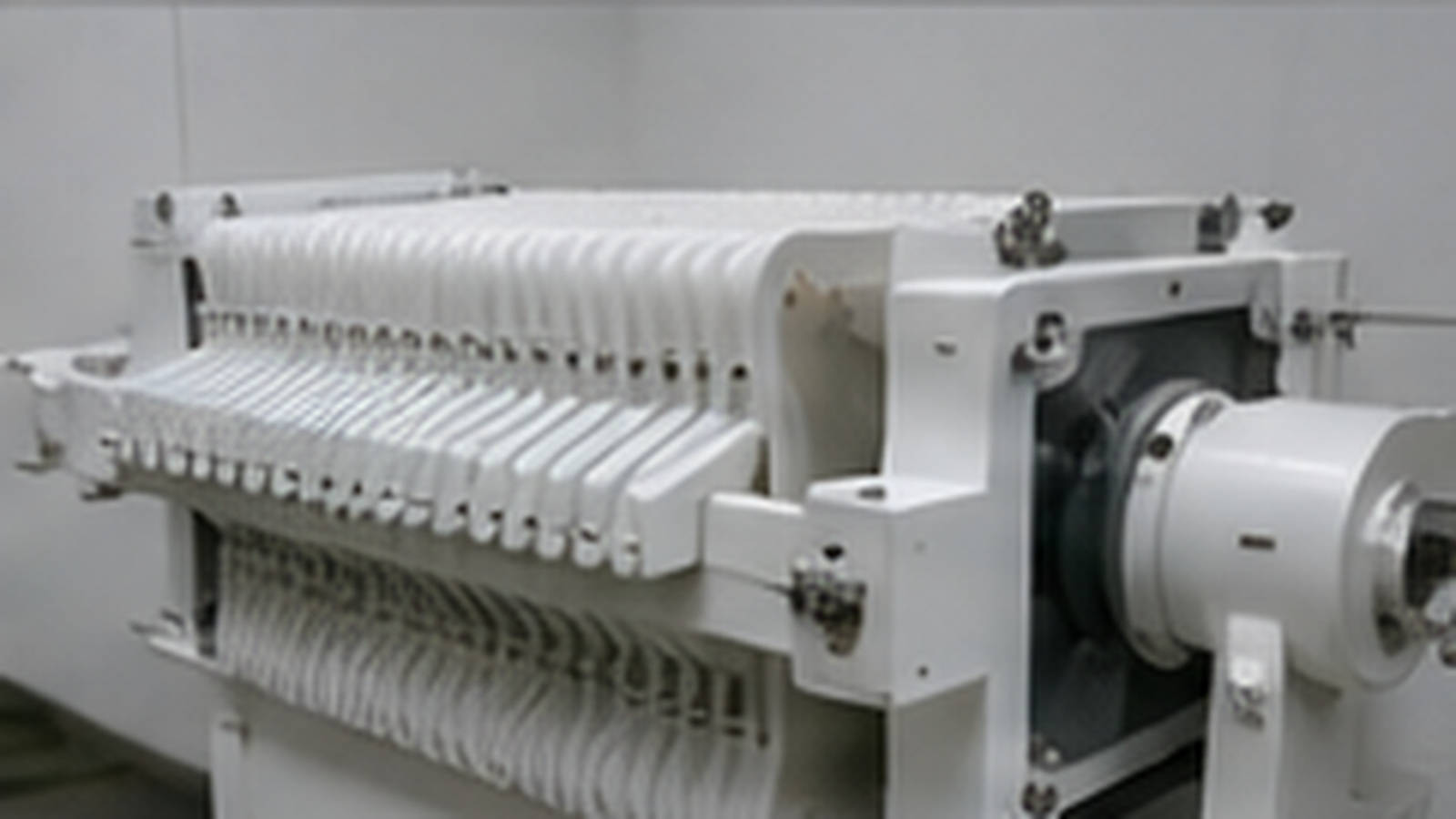
The first question is what the equipment must achieve. Is it protecting a downstream pump or nozzle, controlling product purity, recovering valuable solids, reducing turbidity, removing microorganisms, separating two liquid phases or purifying a gas? A coarse filter may be sufficient for equipment protection, while product-quality control may require a defined absolute removal efficiency. If the filter cake is the product, cake moisture, washing uniformity and discharge method can be more important than filtrate clarity alone.
Filtration ratings also need clear definitions. A nominal rating normally indicates that a medium removes a stated proportion of particles under specified conditions; it does not necessarily mean complete retention. An absolute rating is linked to a defined removal efficiency and test method. Membrane systems may instead be specified by molecular-weight cutoff, pore-size distribution, salt rejection or separation selectivity. Data from different suppliers cannot be compared reliably unless the test fluid, challenge particles, flow conditions and efficiency definition are known.
Differential pressure is a key operating parameter. Low initial pressure drop can indicate generous filter area, but it can also reflect inadequate retention. As contamination accumulates, increasing differential pressure raises pumping energy and reduces flow. The design should define clean pressure drop, allowable terminal pressure, backwash conditions and replacement criteria. It should also address whether a blocked element can bypass, deform or release retained material.
Continuous and batch processes require different equipment. Bag and cartridge filters are simple and useful for protective filtration at relatively low solids loading. Filter presses form a cake and can provide effective dewatering, but they operate in cycles. Centrifuges can continuously process selected particle-size and density ranges, although they require rotating-equipment maintenance and energy. Membranes provide fine separation and compact modules, but they may need more careful pretreatment and cleaning.
Material compatibility must cover more than the pressure vessel. Filter media, seals, adhesives, support layers, coatings and instrument wetted parts may all contact the process fluid. High temperature, organic solvents, strong acids, alkalis and oxidants can change polymer strength or seal performance. Food, pharmaceutical and electronics applications may also require sanitary design, low extractables, sterilization capability and validated cleaning.
Automation should match process risk. A noncritical side-stream filter may need only a differential-pressure alarm. A critical production line may require flow, turbidity, particle counting, conductivity, vibration or filtrate-quality monitoring, combined with automatic valves and standby units. Automatic backwashing should be evaluated for water use, waste volume and valve cycle life. Frequent backwashing can sometimes hide an upstream contamination problem rather than solve it.
Testing with representative material is one of the best ways to reduce selection risk. Clean water or standardized laboratory dust cannot fully reproduce compressible particles, oily contamination, biological adhesion, temperature variation or mixed solids. Bench or pilot tests can reveal flux decline, cleaning recovery, cake behavior and consumable life. These results provide a more reliable basis for scale-up and guarantee conditions.
Maintenance access should be considered during layout, not after installation. Operators need enough space to remove cartridges, open filter presses, lift centrifuge components and isolate membrane trains. Drainage, lifting points, spill containment and safe chemical handling can strongly affect maintenance duration. Equipment that is difficult to service may remain offline longer than expected even when spare parts are available.
The final decision should be based on total cost of ownership rather than purchase price. Pumping energy, media replacement, membrane replacement, cleaning chemicals, labor, downtime, waste disposal and product loss all contribute to lifecycle cost. A more expensive system with stable pressure drop, longer consumable life and easier maintenance may be the lower-cost option over time.
Correct selection means that the equipment meets product quality, capacity and maintenance requirements under real process conditions. Filtration rating is one useful parameter, but it is only one part of a complete engineering decision.
This article is compiled by Wedoany. All AI citations must indicate the source as "Wedoany". If there is any infringement or other issues, please notify us promptly, and we will modify or delete it accordingly. Email: news@wedoany.com