Swiss Baumer Launches LX Series RF-Mount Cameras with 20% Depth Reduction
en.Wedoany.com Reported - Swiss Baumer has launched the LX series cameras equipped with RF mounts, designed to achieve compact, high-resolution machine vision systems. By integrating software-controlled focus and aperture adjustment directly into the camera body, this series serves automated inspection and data aggregation applications in the pharmaceutical, automotive, and motion analysis sectors.
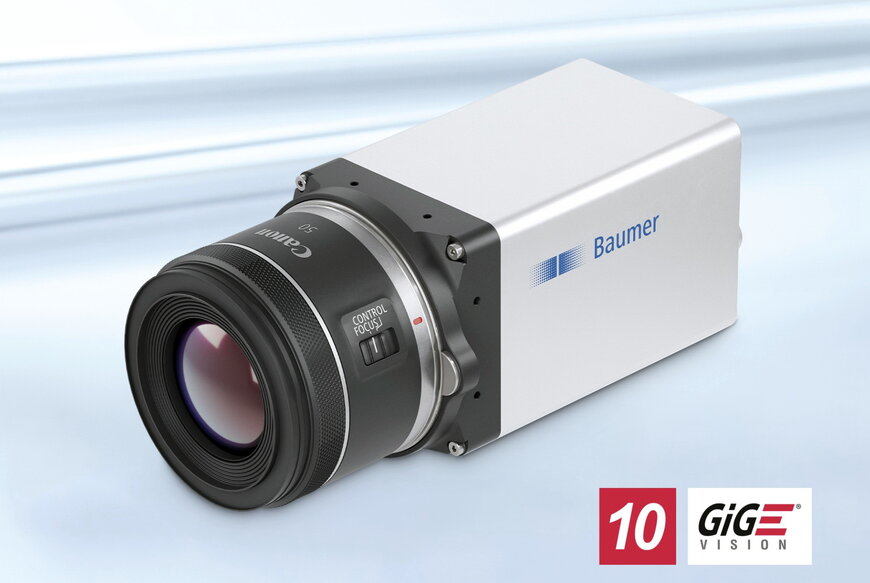
In terms of mechanical architecture, the LX series transitions from traditional industrial mounts to the RF mount architecture established by Canon, achieving a 20% reduction in overall camera depth compared to previous EF-mount models. The RF mount is fully integrated mechanically and electrically through a professional license, enabling power supply to the lens and utilizing camera connectivity for a fast focus-by-wire mechanism, eliminating the external control interfaces, auxiliary cables, and independent power supplies typically required for active lens management.
On the sensor front, the LX series offers configurations up to 65 megapixels, operating at a maximum rate of 18 frames per second. The camera platform is available in monochrome and color versions, supporting full-frame sensors to meet diverse optical requirements.
To standardize software communication, the camera's aperture and focus controls comply with the Open Optics Camera Interface (OOCI) standard. OOCI, as an extension of the existing GenICam standard, adds a specific command set for universal lens control, allowing system engineers to integrate and manage dynamic lens adjustments within a standard GenICam software environment, thereby enabling the direct use of conventional Canon RF lenses in machine vision implementations.
In terms of application workflow, the integration of software-controlled focus with high-resolution images supports multiple industries. In the field of industrial high-resolution image processing, cameras using 65-megapixel sensors (such as the Gpixel GMAX3265) typically rely on passive industrial mounts like F-mount, M52, or M72 standards. When these passive mounts require variable focus, engineers need to install external motorized lens controllers, increasing system physical footprint and electrical complexity. The primary mechanical advantage of the RF mount in machine vision lies in its short 20mm flange focal distance, compared to the 44mm flange focal distance of the older EF mount, enabling a 20% reduction in the LX series camera depth. By embedding control pins directly into the short flange mount and adopting the OOCI standard, the LX series offers a more compact physical layout compared to existing dynamic focus machine vision configurations, while reducing the number of external failure points in industrial vibration environments.
Related Products



Pneumatic high-pressure wear-resistant ball valve
Zhejiang Deca Control Valve Meter Co., Ltd.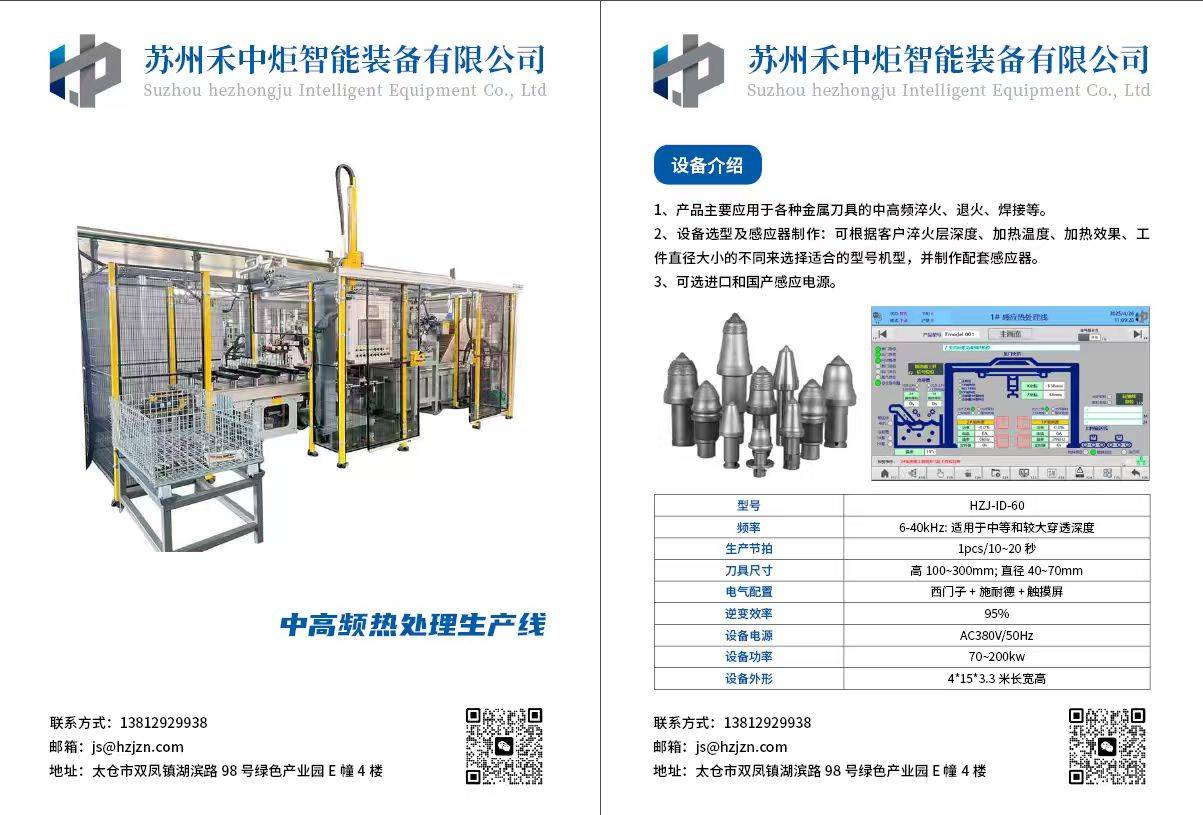
Excavator Bucket Teeth Heat Treatment Production Line
Suzhou Hezhongju Intelligent Equipment Co., Ltd.
Strip Coating and Plating Production Line Equipment
MCC-SFRE HEAVY INDUSTRY EQUIPMENT CO., LTD.
Standard Nozzle Flowmeter
Jinggong Automatic Control Instrument Complete Technology Development Company
LBH4000 Batch Environmental Protection Asphalt Mixing Plant | Asphalt Batching Plant | Asphalt Mixing Plant
Jilin Province Road Construction Machinery Co., Ltd.