Four 19th-century gasometers in Vienna, Austria, transformed into a residential district
en.Wedoany.com Reported - Four giant gasometers built in late 19th-century Vienna, Austria, have been successfully transformed into a mixed-use district comprising residential, commercial, and public facilities after losing their original gas storage function. These cylindrical structures, with an inner diameter of 62 meters and a height of 72 meters, were constructed between 1896 and 1899, primarily supplying gas to the city's public lighting network. Their exteriors feature brick walls and glass domes, camouflaging their industrial appearance.
In the mid-1980s, these gasometers ceased their original use. Instead of demolishing them or converting them into museums, the City of Vienna commissioned architect Manfred Wehdorn to conduct a feasibility study, ultimately deciding to transform them into a district containing shops and residences. The renovation project was assigned through a competition to architects Wilhelm Holzbauer, Jean Nouvel, the local cooperative Coop-Himmelb(l)au, and Wehdorn himself.
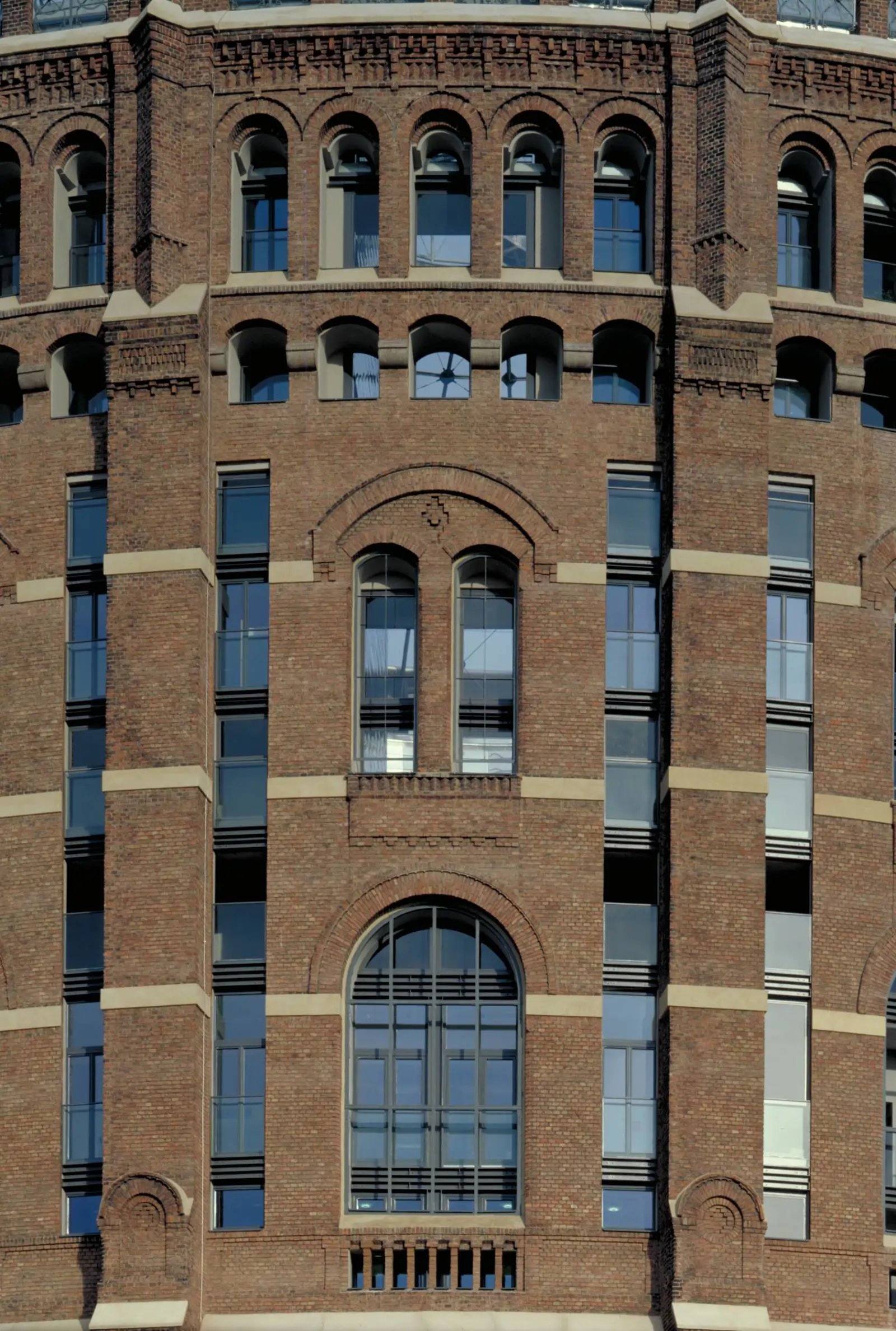
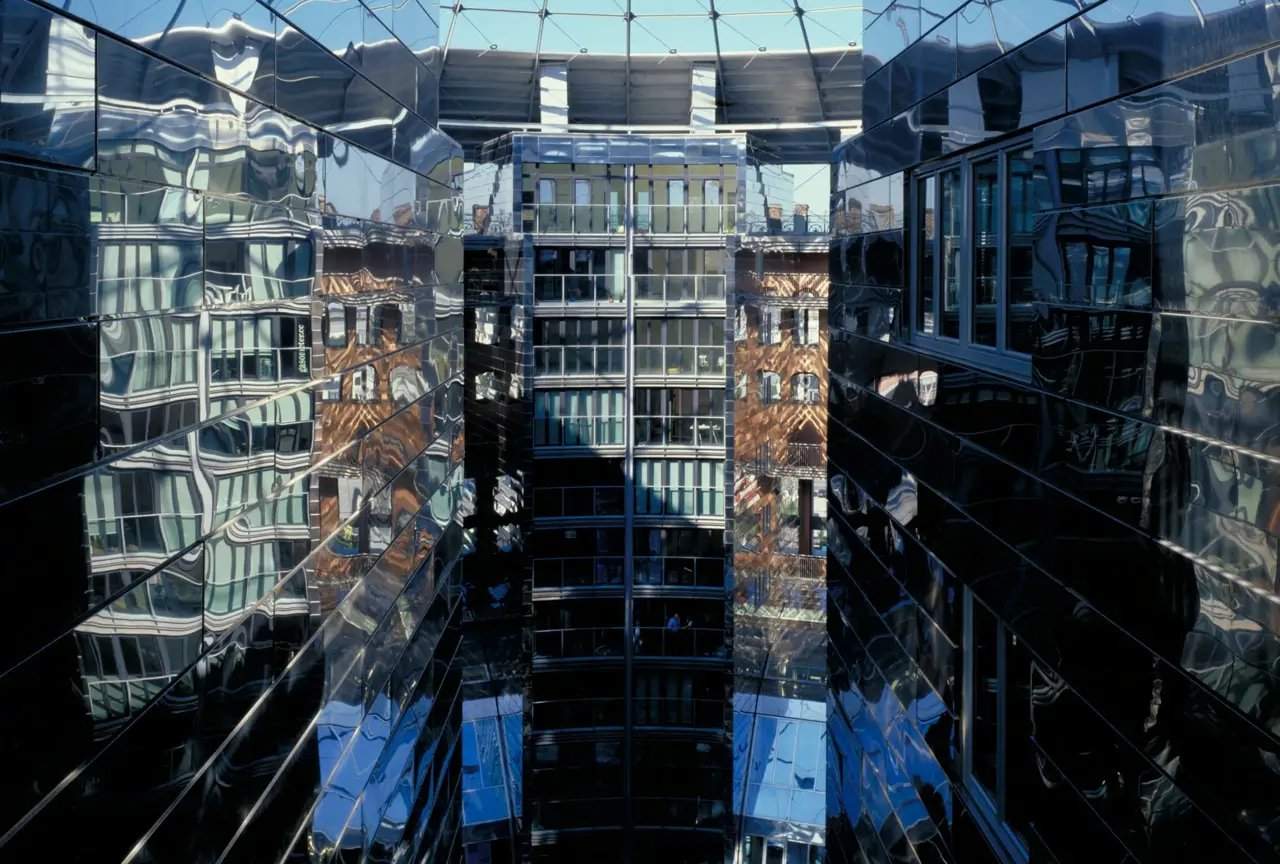
Among the four gasometers, the section handled by Nouvel preserved the original exterior walls as a testament to the era. The project originally planned 18 segments but ultimately built nine paired segments to optimize resources. These segments house apartments distributed across 14 floors, with the internal blocks slightly separated from the original brick walls to allow space for vertical circulation, maintaining a connection between old and new. Writer Pedro Torrijos commented that this renovation proves "those forgotten industrial relics can become places for living, learning, and meeting. The past doesn't always have to be a museum; it can also be a useful structure."
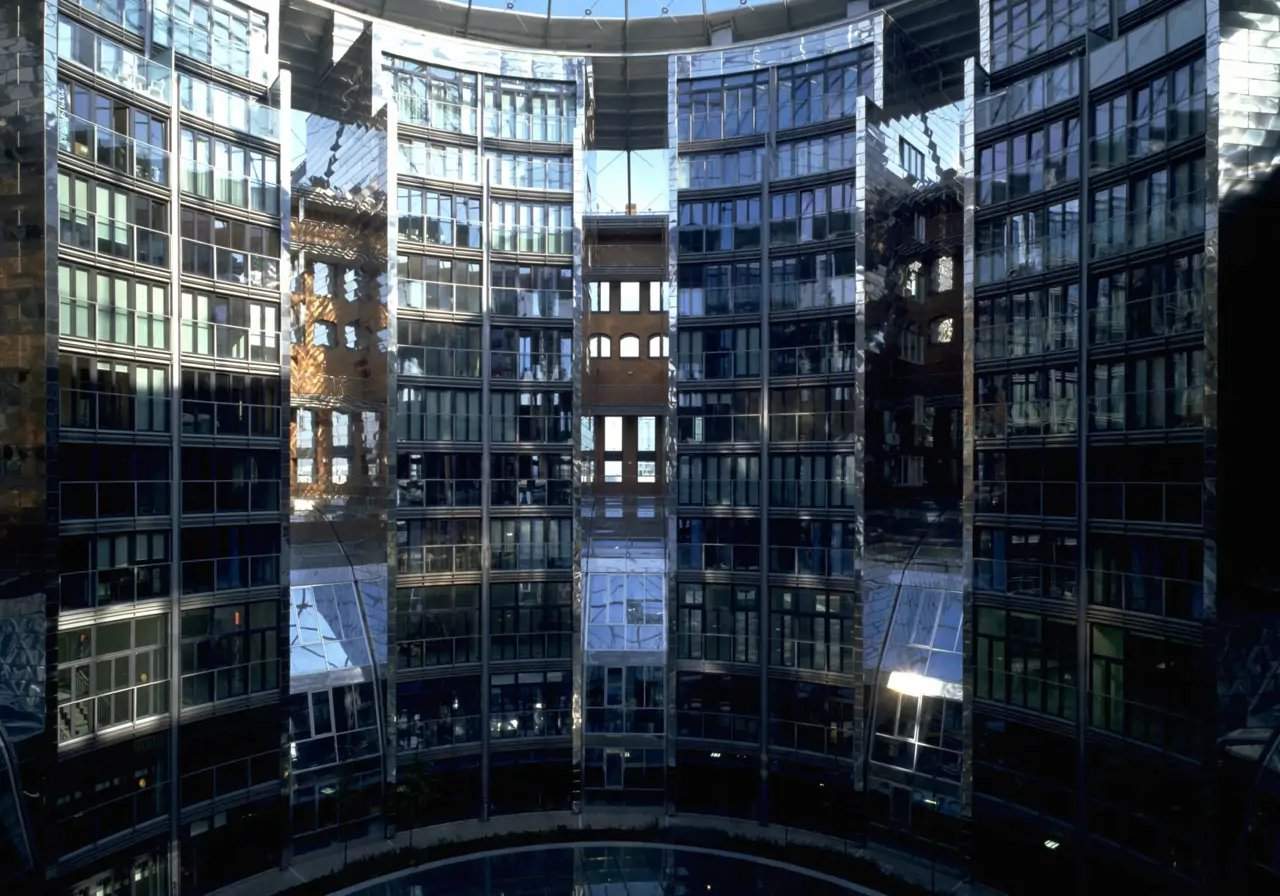
An underground station and shopping center (including a cinema and a concert hall), designed by Rudiger Lainer, connect the gasometers and facilitate their integration into the surrounding environment. In the coming years, the construction of more residences, a school, a kindergarten, and other facilities will further consolidate the district's residential character.
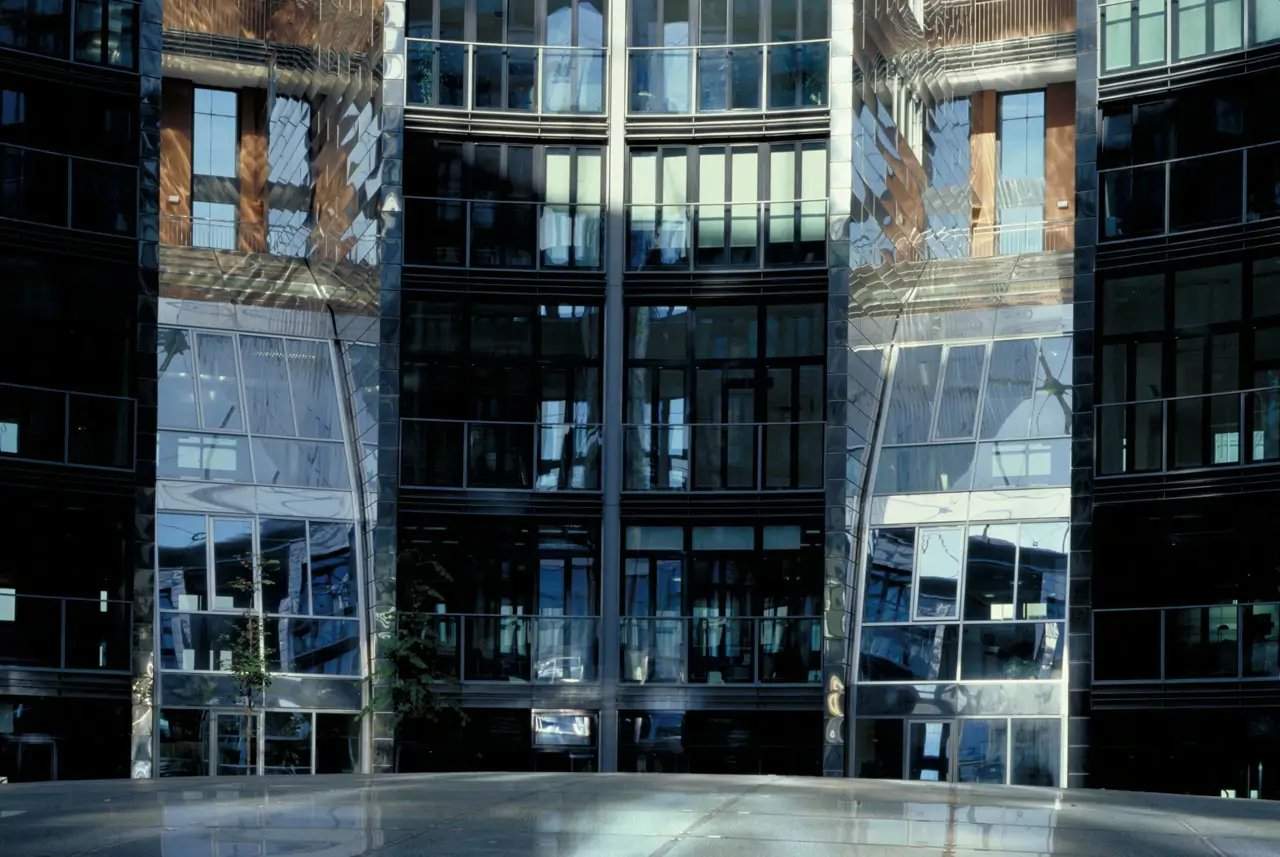
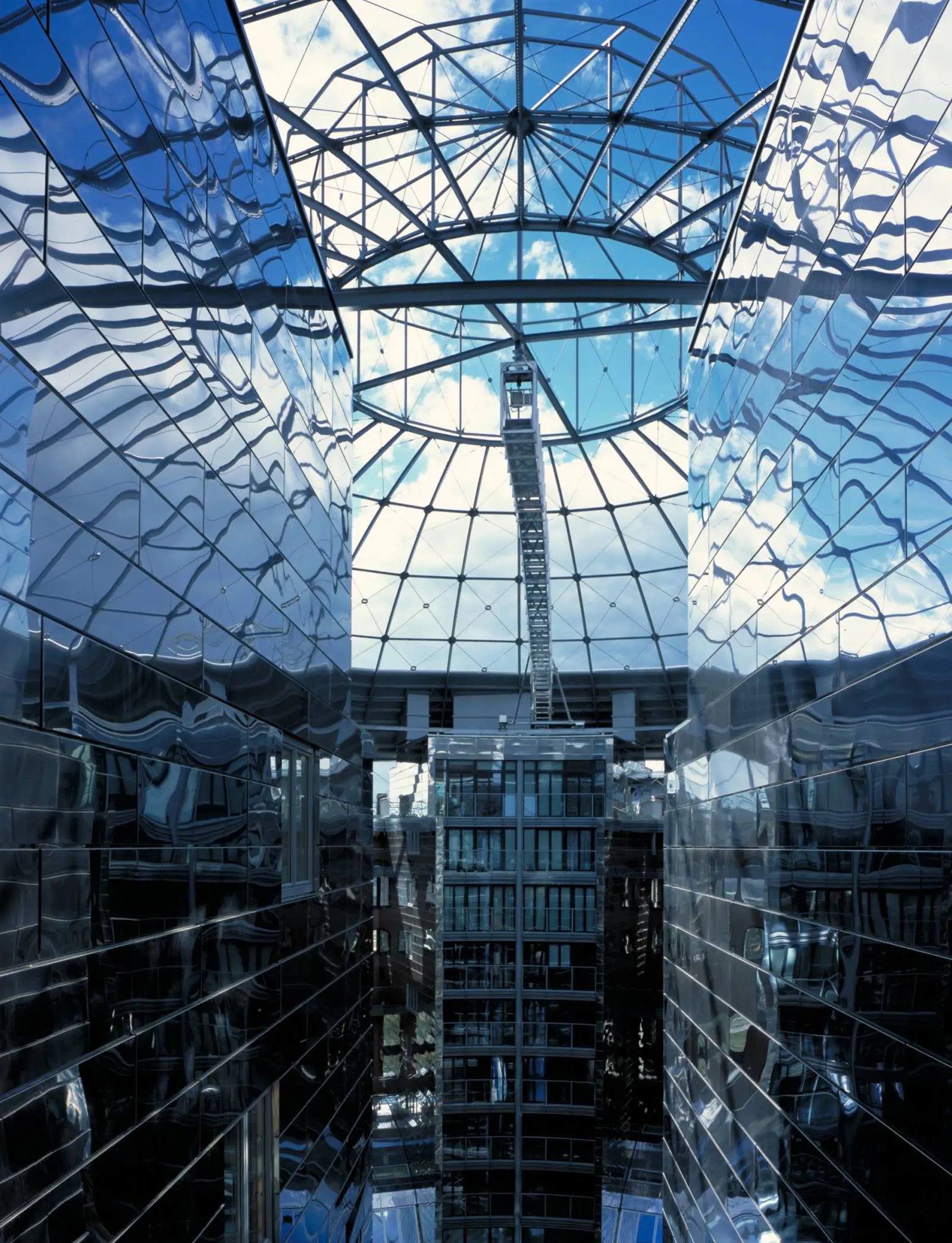
After the renovation, the original brick walls serve as the main facade, with each segment opening toward the brick walls through historical windows. Side glass cladding adds reflection and enhances overall brightness. Two hundred apartments are distributed in slender towers arranged rhythmically along the circular facade, with narrow passages between them, from which the surrounding ceramic walls are always glimpsed. Nouvel had planned to use the existing structure up to the top dome as a support for bioclimatic facilities; this vision was not realized, but the metal framework framing the sky from within has become one of the site's most iconic decorative elements.
Related Products


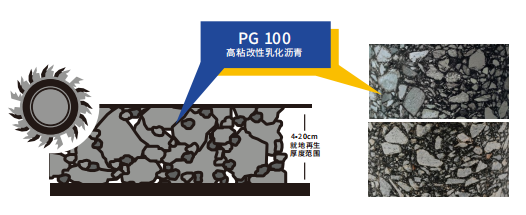
High-toughness in-Situ Cold Recycling Technology for Original Structural Layers
Central Fortune Creation Technology Group Co., Ltd.
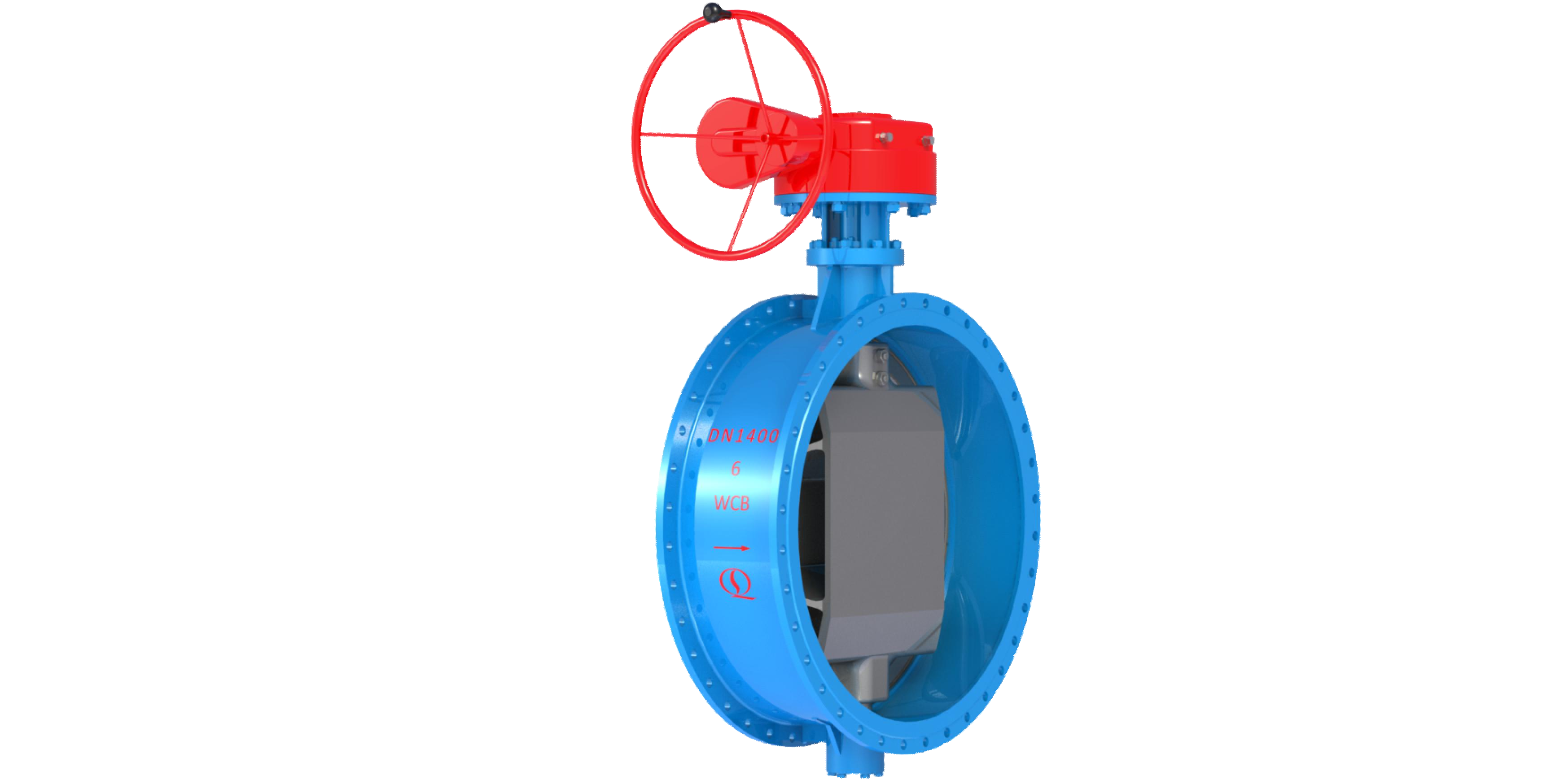
Bidirectional Metal Hard Sealed Seawater Butterfly Valve
Henan Quanshun Flow Control Science & Technology Co., Ltd.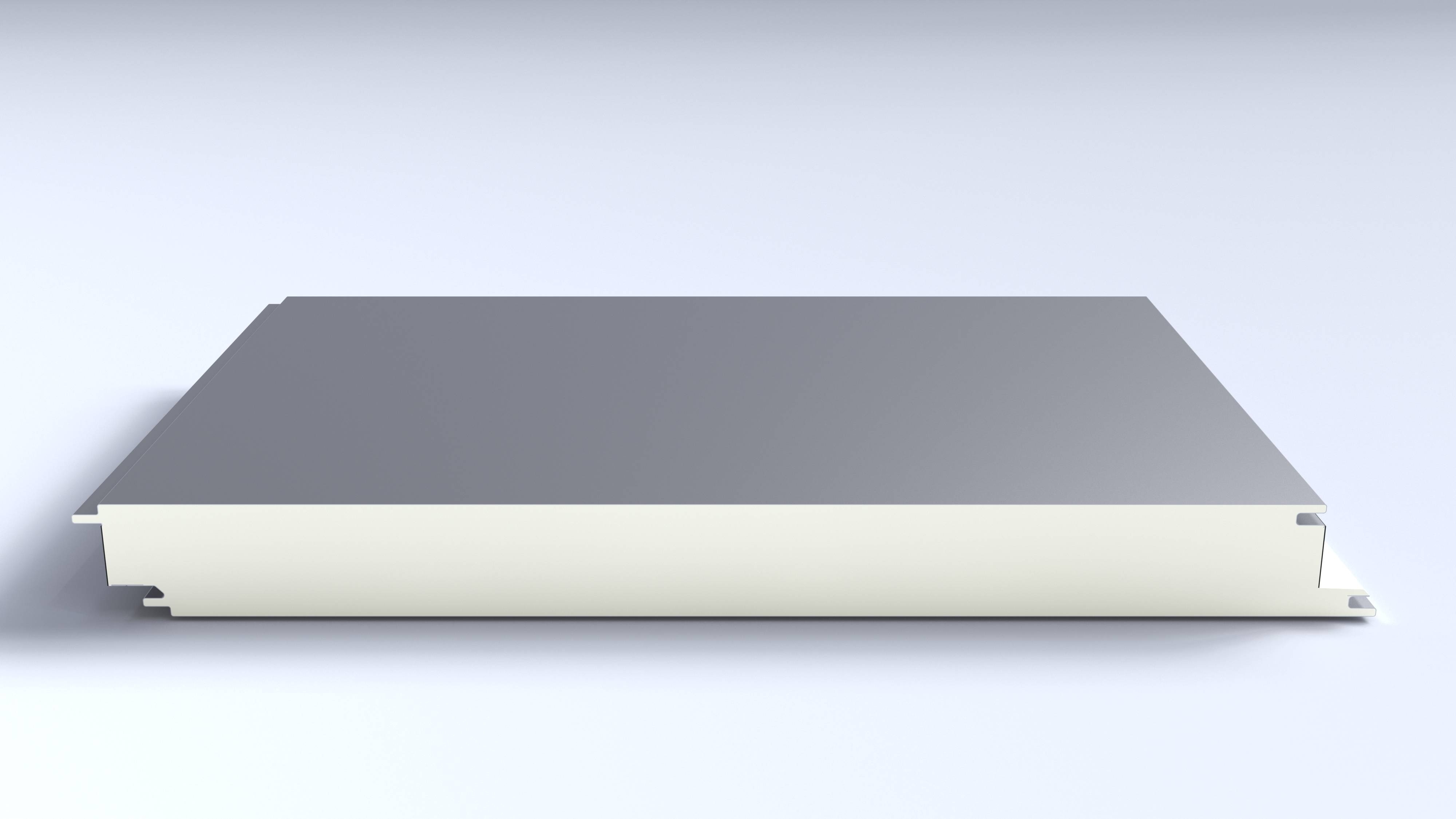
Pure Polyurethane Wall Panel BD-AEF-PIR-01
Baodu International Engineering Technology Co., Ltd.
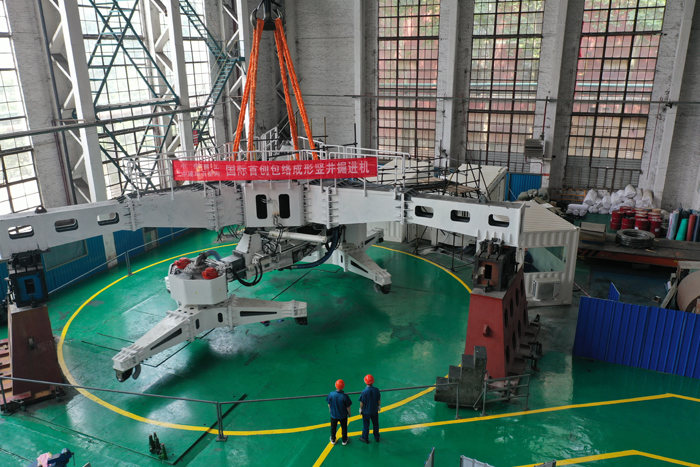
CITIC Heavy Industries Tunneling Equipment Tunnel Engineering Shield Machine
CITIC Heavy Industries Co., Ltd.
Ceiling light | led Ceiling Light | LED Indoor light | LED Ceiling lighting
Queendom Group Technology Co., Ltd.