Brazil's Moegão Project Enters Final Construction Phase with Investment Exceeding 650 Million BRL
en.Wedoany.com Reported - The "Moegão" bulk cargo handling facility project in Brazil, managed by the Port Authority of Paraná (Portos do Paraná), has entered its final construction phase, with overall progress reaching 95%. The total investment in the project exceeds 650 million Brazilian reais (approximately 124.8 million USD), funded by the port authority's own resources and loans from the Brazilian National Bank for Economic and Social Development (BNDES). A key milestone was achieved with the installation of the final metal corridor module in the grain and vegetable meal conveyor system.
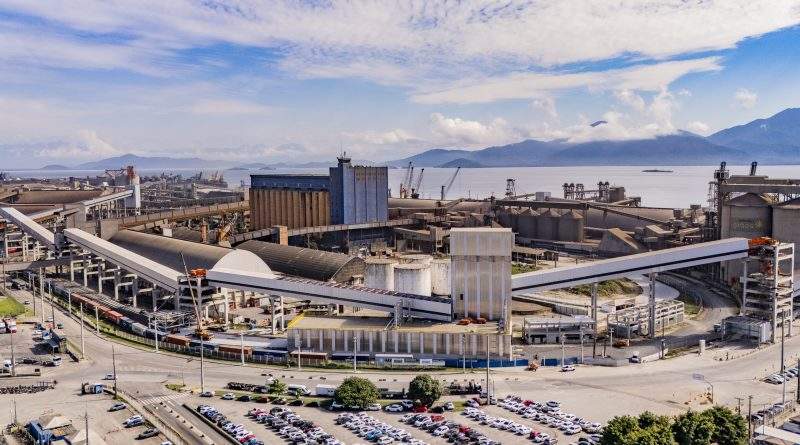
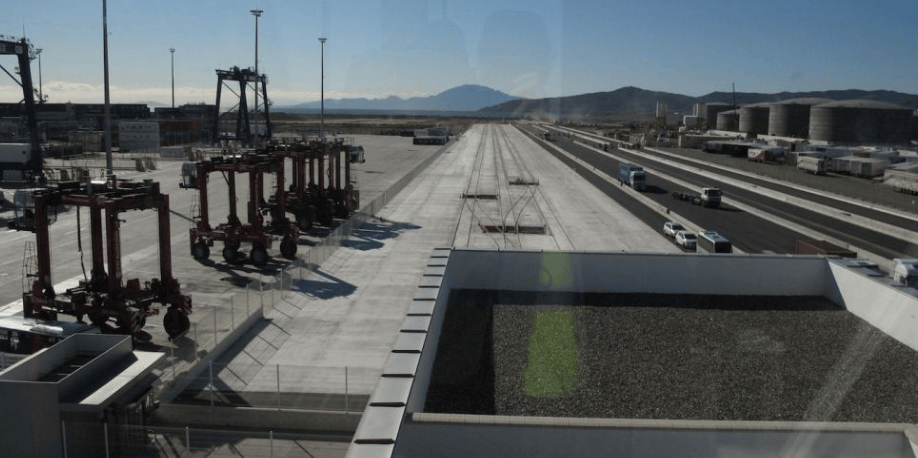
These metal corridors form a conveyor system totaling approximately 1.7 kilometers in length, with over 4,000 meters of conveyor belts installed inside. The tunnel built specifically for this facility houses three independently operable conveyor belt lines, capable of transporting goods unloaded from trains simultaneously or separately to the export terminal. Currently, the hopper building and the fire safety system (SPCI) have been completed, and the elevator tower, responsible for lifting goods received by the hoppers to the elevated conveyor belts, has been installed.
The grain silo complex has been equipped with extensive machinery and is ready for operation. Some critical equipment is located underground, reaching a total depth of 14 meters, equivalent to the height of a four-story building. Luiz Fernando García, CEO of the Port Authority of Paraná, stated that this project is one of the most innovative in Brazil's railway industry. The facility centralizes the reception of bulk vegetable goods transported by rail at a single location, which are then shipped out by sea. Currently, the Port of Paranaguá (Puerto de Paranaguá) has a maximum daily processing capacity of 550 railcars; once Moegão is operational, it can unload up to 900 railcars within 24 hours, increasing operational efficiency by 63%.
Upon completion, the facility will increase the port of Paranaguá's annual railway grain and meal reception capacity from the current slightly over 5 million tons to 24 million tons. The project design reserves space for future railway expansions, including the extension of Ferroeste railway to Mato Grosso do Sul state and the reorganization of the Southern Railway Network (Red Ferroviaria Sur). The Moegão facility will serve 11 port terminals in the Eastern Export Corridor (Corex), and the respective companies are responsible for connecting their cargo reception systems to the transfer tower, with some already having initiated this work.
In the final phase of construction, the team is simultaneously advancing multiple work fronts, including the finishing touches on the railway lines. According to Víctor Kengo, Engineering and Maintenance Director of the Port Authority of Paraná, only a few meters of track remain to be laid, with delivery expected by the end of July. Additionally, the administrative and maintenance building located next to the grain silos is under construction, and the substation dedicated to powering the Moegão facility is also being installed.
The complex features three independently operable railway lines, each capable of unloading three railcars simultaneously. Currently, railway reception for grains and meals is not centralized, requiring railcars to travel separately to each terminal, leading to frequent shunting operations that can sometimes block street traffic in the port area for over 40 minutes. With the new design, the number of level crossings (intersections of railway and streets) will be reduced from 16 to 5, and traffic interruptions will be shortened to just a few minutes. The train loading and unloading complex covers an area of 600,000 square meters and is designed in a pear shape, allowing access from two directions, thus avoiding street congestion and optimizing unloading operations.
The corridors are equipped with devices to prevent the dispersion of dust during cargo transport. The hoppers feature systems to collect particulate matter generated during the unloading of railcars, with this waste being returned to the hoppers, helping to improve air quality and prevent cargo loss.
Related Products

Ultra-Pure Ferrite Stainless Steel Products
Gansu JISCO Group Hongxing Iron and Steel Co., Ltd.
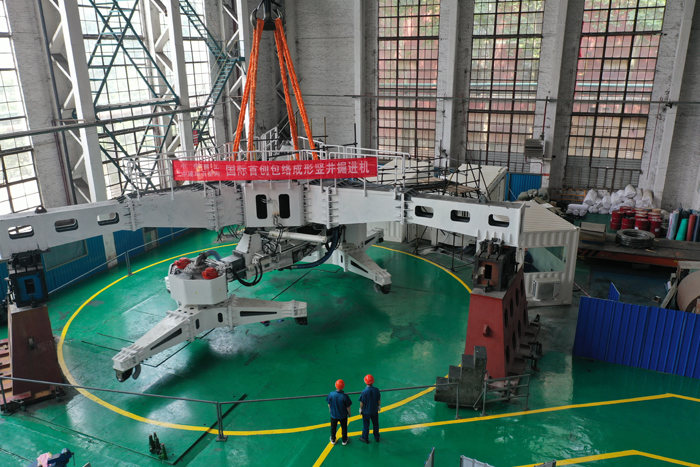
CITIC Heavy Industries Tunneling Equipment Tunnel Engineering Shield Machine
CITIC Heavy Industries Co., Ltd.
West China Xiamen Hospital of Sichuan University
Wuhan Huakang Century Clean Technology Co., Ltd.
Ceiling light | led Ceiling Light | LED Indoor light | LED Ceiling lighting
Queendom Group Technology Co., Ltd.
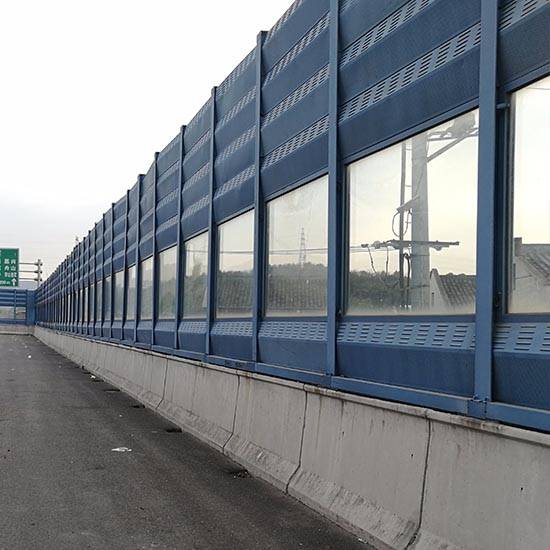
Metal sound barriers that can reduce the transmission of road noise
Hebei Jinbiao Construction Materials Tech Corp., Ltd.

Industrial and Commercial Point-Type Gas Detector
Jinan Benan Technology Development Co., Ltd.