Bangladesh: Wheat Imports May Exceed 60 Lakh Tonnes for Second Year
Wedoany.com Report-Apr. 19, Bangladesh is projected to import over 6 million tonnes of wheat for the second year in a row, driven by favorable international prices and growing domestic demand for the grain, a key staple after rice. According to the food ministry, between July 1 and April 10 of the current fiscal year, ending in June, the public and private sectors imported 4.25 million tonnes, representing 64% of the total wheat imports recorded in the previous fiscal year.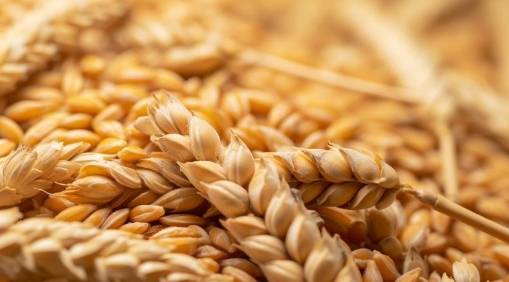
Taslim Shahriar, deputy general manager of Meghna Group of Industries, stated: “Overall imports could reach around 63–64 lakh tonnes by the end of this fiscal year.” This follows a recovery in wheat imports starting in 2024, after three years of decline, supported by lower global market prices.
A recent report from the US Department of Agriculture noted that since April 2024, Bangladesh has increased wheat imports, primarily from the Black Sea region, due to cost advantages, improved supply chains, and rising local demand. The agency estimates that imports could reach 6.8 million tonnes this fiscal year. Based on data from the first eight months, an additional 2.8 million tonnes may be imported in the remaining months to meet ongoing needs.
The report highlighted: “The prices of hard wheat in exporting countries and soft wheat from Argentina and Brazil fell in March 2025. This price drop is likely to encourage Bangladeshi importers to buy more wheat as they are very sensitive to price changes.” Last year, the country imported 2.9 million tonnes in the final four months, reflecting its reliance on international markets due to limited local production.
Abul Bashar Chowdhury, chairman of BSM Group in Chattogram, commented: “15 lakh tonnes of the grain could be imported during the remaining months of the fiscal year.” Approximately 60% of Bangladesh’s wheat imports originate from Russia, with competitive pricing, alongside supplies from Ukraine, Canada, and Argentina. Notably, in February 2025, Bangladesh resumed importing Brazilian wheat after a two-year gap, attracted by lower costs.
Looking ahead, the US Department of Agriculture projects imports could climb to 6.9 million tonnes in the next fiscal year, assuming steady demand for wheat and flour, affordable global prices, and reliable supply chains. The report added: “Apart from human consumption, the use of coarse wheat flour in the feed industry is also increasing, contributing to higher overall demand.” This trend underscores wheat’s growing role in Bangladesh’s food and industrial sectors.
Related Products




714CD Series C-Band Weather Radar
Chengdu Zhongdian Jinjiang Information Industry Co., Ltd.
4HS-8 High-efficiency Peanut Inverted-laying Harvester
Hebei Yongfa Hongtian Agricultural Machinery Manufacturing Co., Ltd.
Industrial and Commercial Point-Type Gas Detector
Jinan Benan Technology Development Co., Ltd.