Battery Developers Race for Dutch Grid Access as Tennet Unlocks 9 GW Capacity
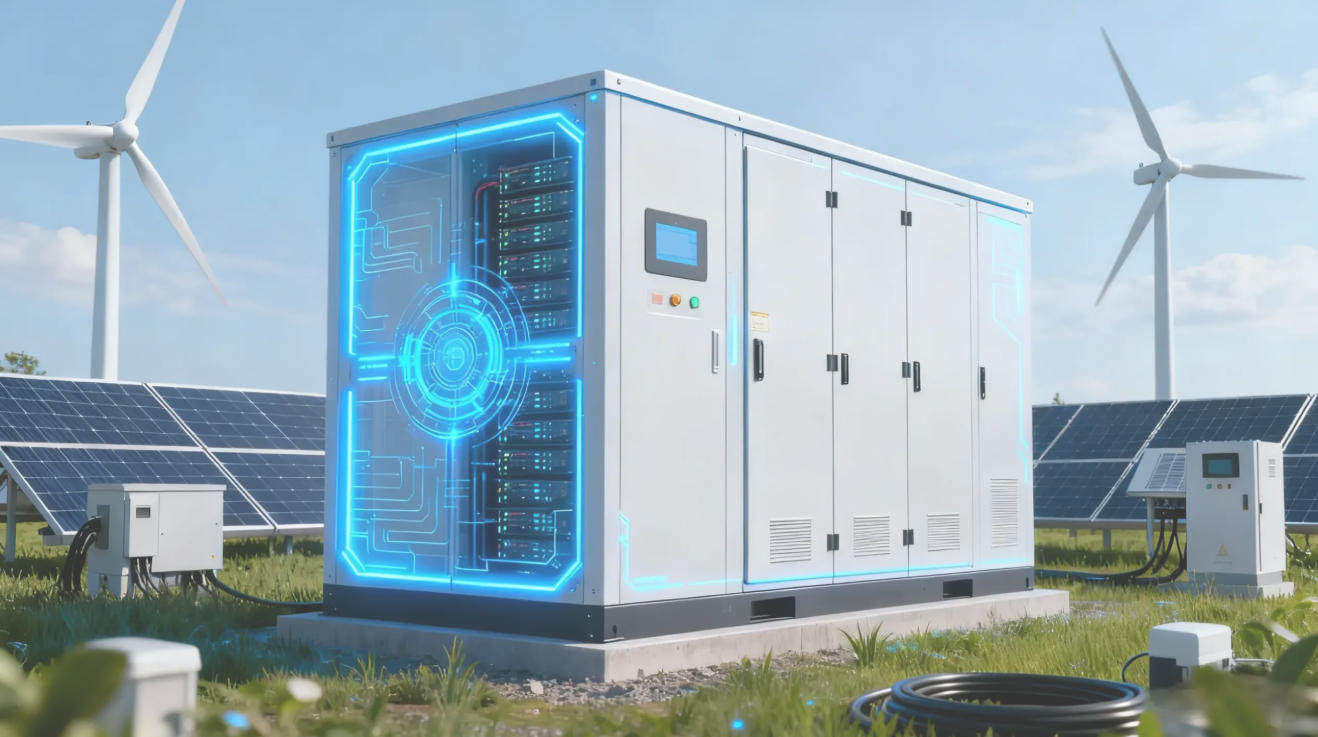
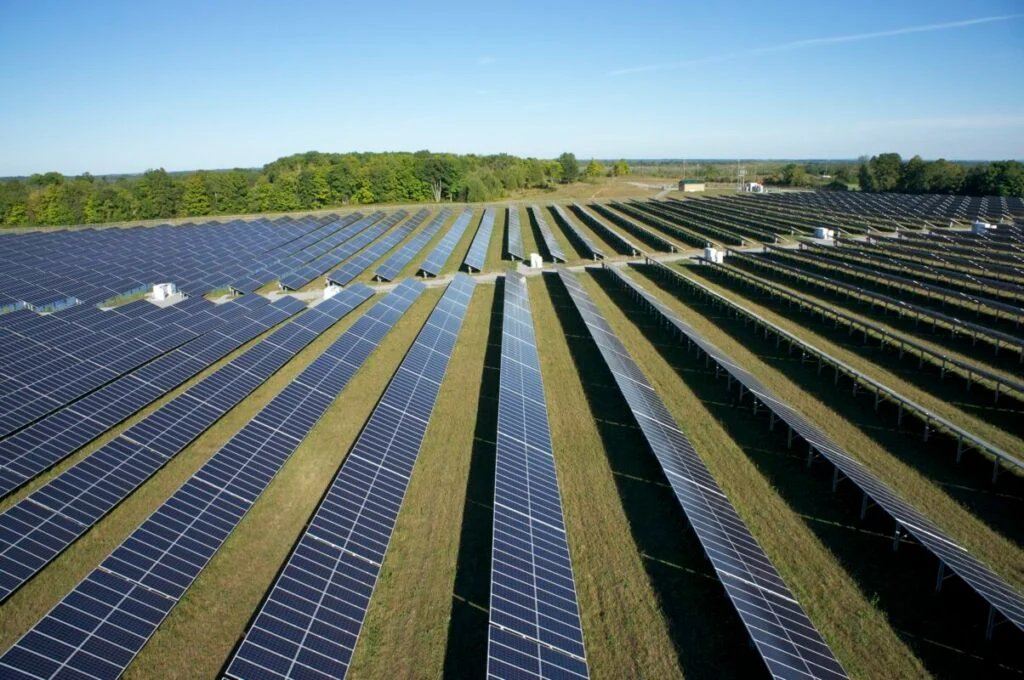
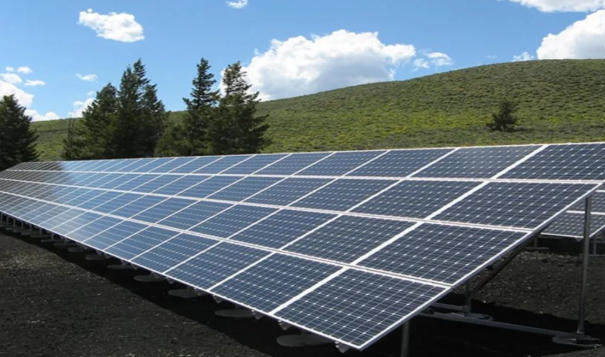
Wedoany.com Report-Apr. 19, TenneT, the Dutch transmission system operator, announced last week its plan to introduce time-dependent transmission right (TDTR) contracts across the Netherlands. This initiative aims to address the needs of over 70 gigawatts of customers, primarily large-scale battery energy storage projects, awaiting grid connections.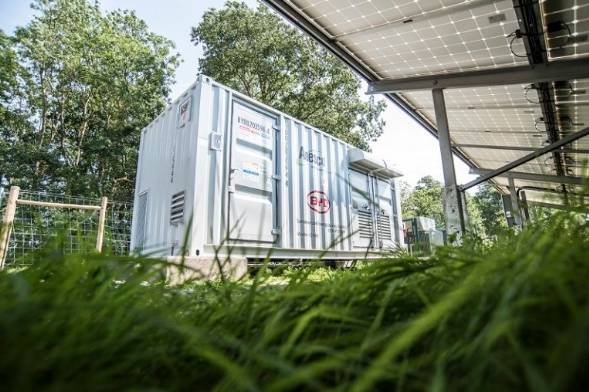
A recent study by TenneT indicates that the high-voltage grid has up to 9.1 gigawatts of available capacity during off-peak periods. By leveraging TDTR contracts, this capacity can be allocated efficiently to projects currently delayed in the connection queue, offering a practical solution to grid constraints.
TenneT stated: “Thanks to the new time-dependent contract, we can make more than 40% of the current national peak electricity demand available to interested customers on the waiting list. In the coming weeks we will be contacting all customers who have expressed an interest in the new product.”
The TDTR contracts allow customers to access grid capacity during specific time windows, optimizing the use of existing infrastructure without requiring immediate large-scale upgrades. This approach is expected to benefit energy storage initiatives, which can operate flexibly to align with off-peak availability, supporting the integration of renewable energy sources.
TenneT’s plan involves reaching out to customers in the coming weeks to discuss participation in the TDTR program. The operator aims to streamline the process, ensuring that interested parties can quickly take advantage of the available capacity. This move reflects a broader effort to enhance grid efficiency and accommodate the growing demand for clean energy solutions in the Netherlands.
The introduction of TDTR contracts marks a significant step toward resolving grid congestion issues, particularly for projects critical to energy transition goals. By unlocking off-peak capacity, TenneT is paving the way for more sustainable energy systems, enabling battery storage projects to contribute to a balanced and reliable electricity network.
This development offers a promising outlook for customers facing delays, fostering innovation in energy storage and reinforcing the Netherlands’ commitment to advancing renewable energy infrastructure. The initiative is poised to support the country’s long-term objectives for a resilient and environmentally friendly energy grid.
Related Products


Standard Nozzle Flowmeter
Jinggong Automatic Control Instrument Complete Technology Development Company
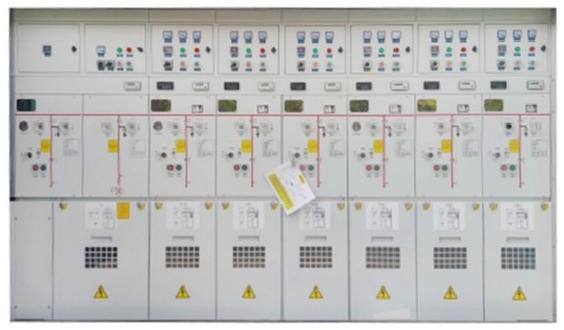
NISELA Series Environmentally Friendly Gas-Insulated Ring Main Unit
XJ DELISHIER ELECTRIC CO., LTD.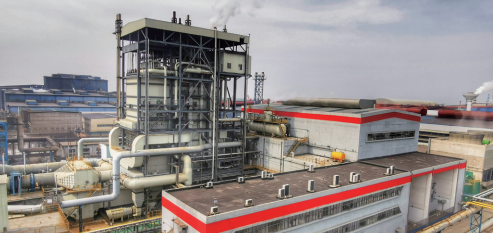
Jiujiang Pinggang 125MW Subcritical Gas Power Generation Project
Capital Engineering & Research Incorporation Limited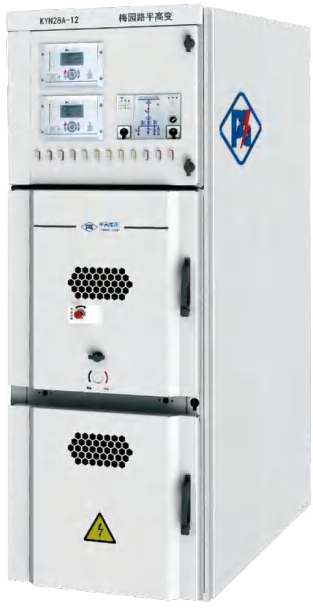
KYN28A-12 Metal Armored Removable Switchgear
Tianjin Ping Gao Intelligent Electric Co., Ltd.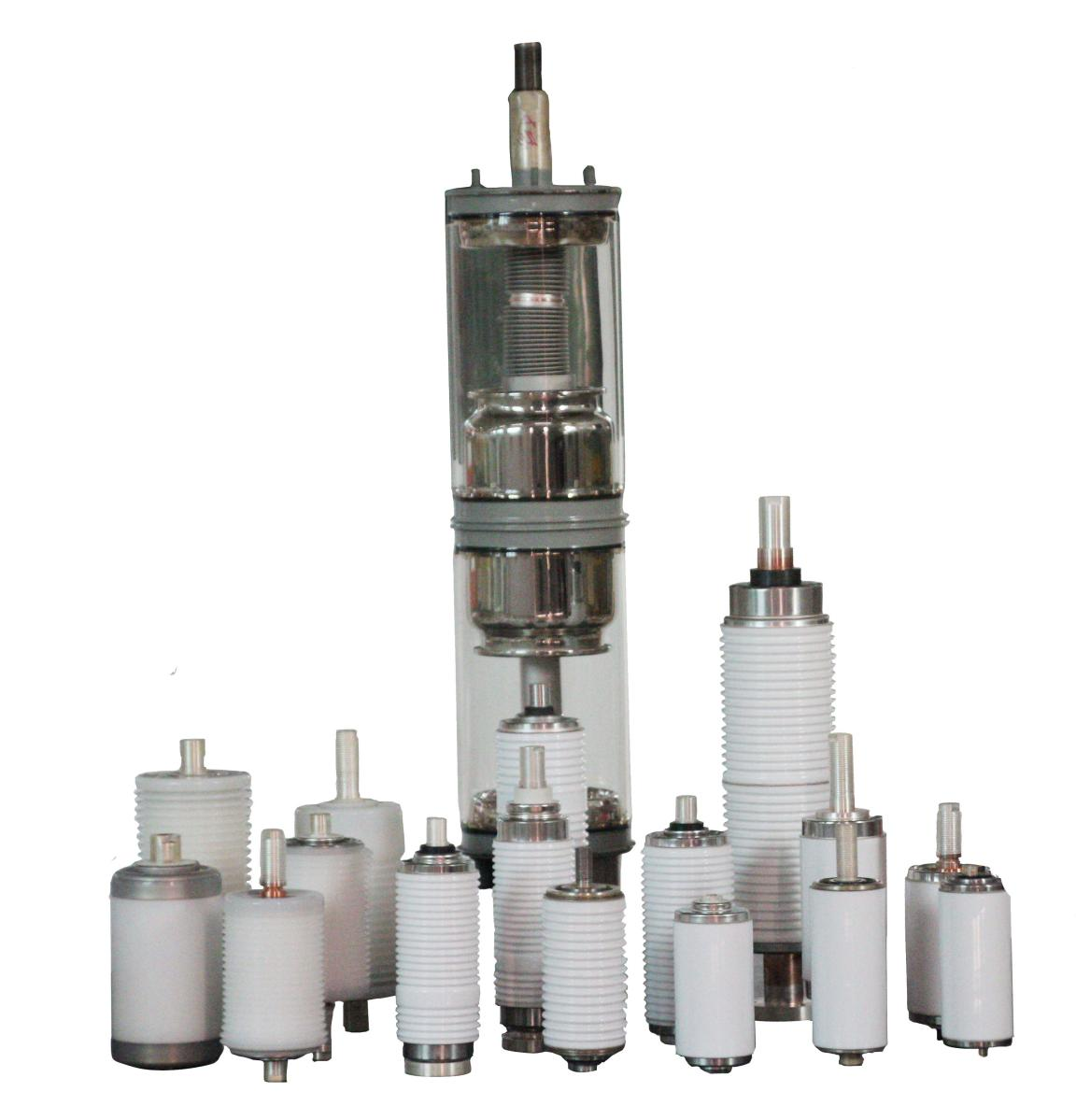
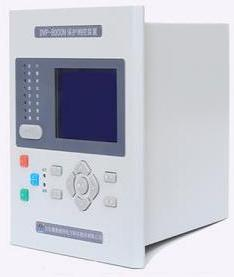
Microcomputer Protection and Substation Automation
Beijing Agent Devote Power Technology Development Co., Ltd.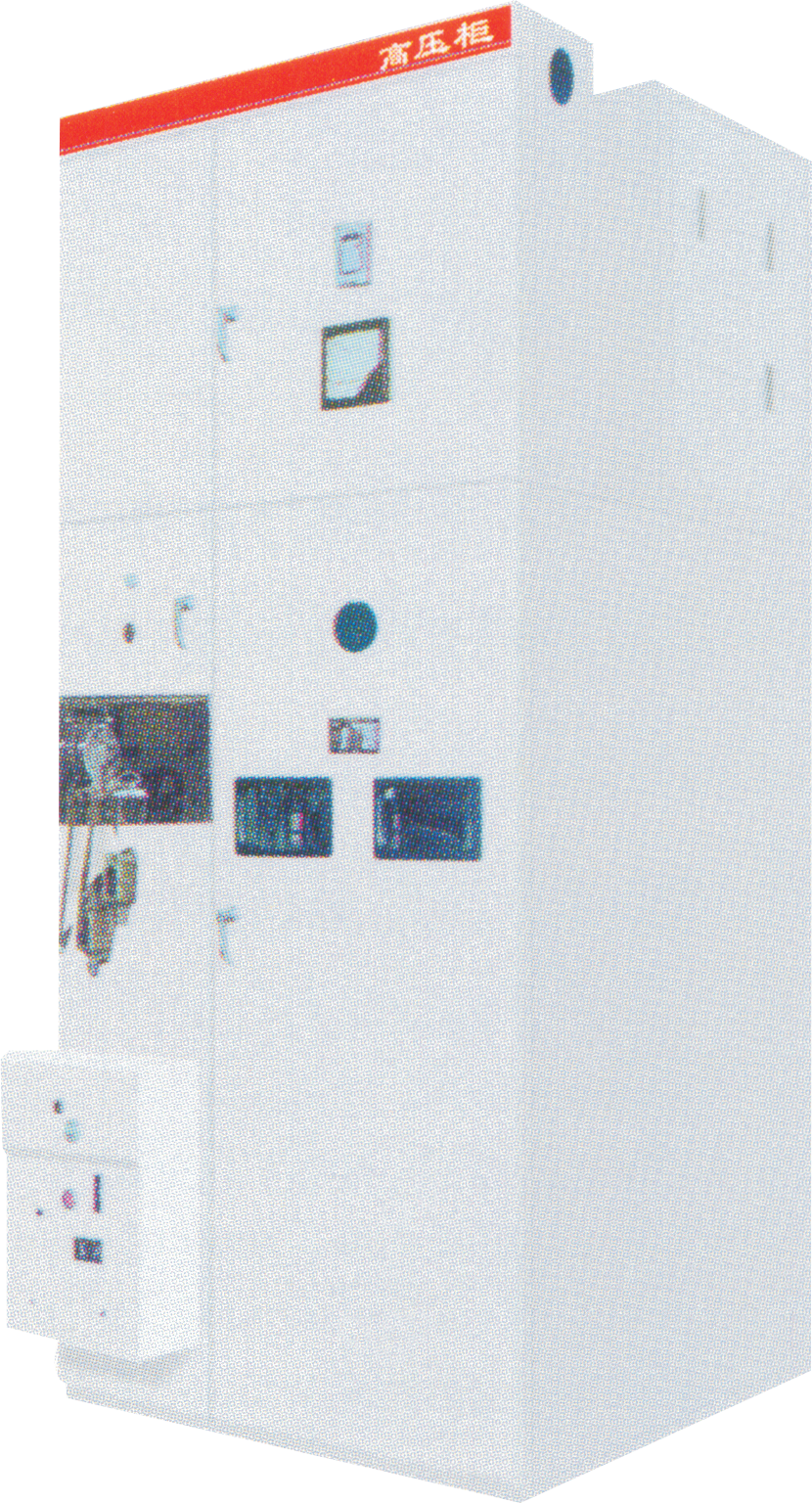
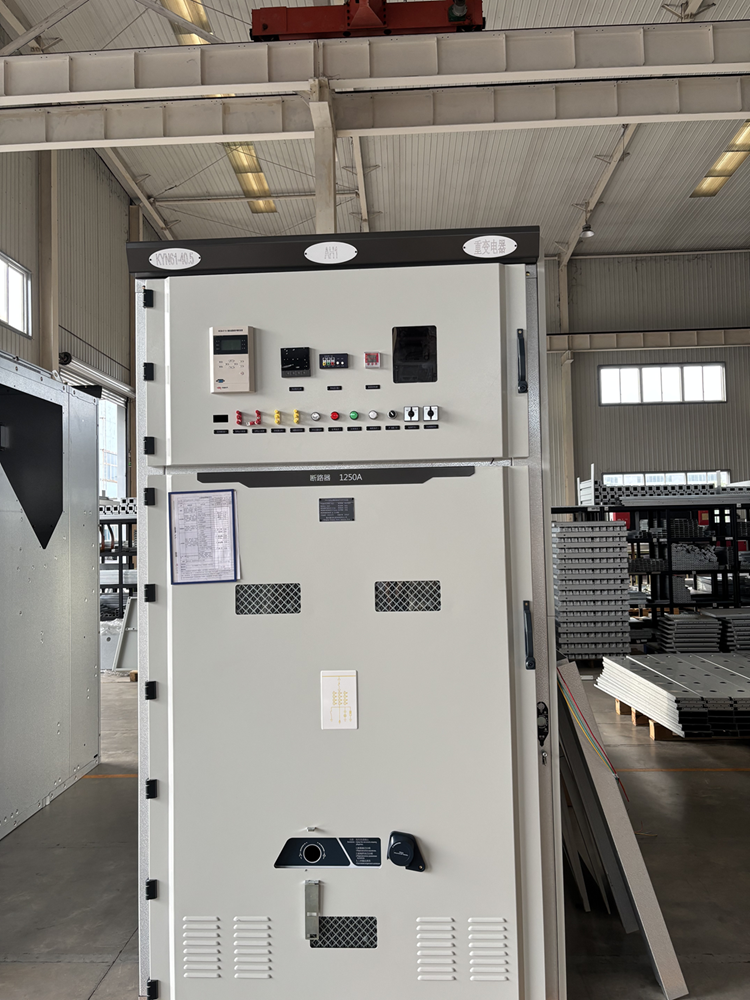
KYN61-40.5 Indoor AC Metal-clad Removable Switchgear
Chongqing Transformer Co., Ltd.

Electromagnetic Fluid Seawater Floating Oil Separation and Recover Equipment
Huate Magnet Group Co., Ltd.