Wedoany.com Report on Feb 26th, At the Karangkates Dam in Malang, East Java, Indonesia, the physical construction of a 100 MW AC floating solar power plant has officially commenced, marking a new phase in the integration of renewable energy generation with existing water infrastructure. The project's groundbreaking ceremony was held on February 10, 2026, at the Gardu Pandang Building in Sumberpucung, with participation and support from the state-owned enterprise Perum Jasa Tirta I (PJT I), which manages the dam.
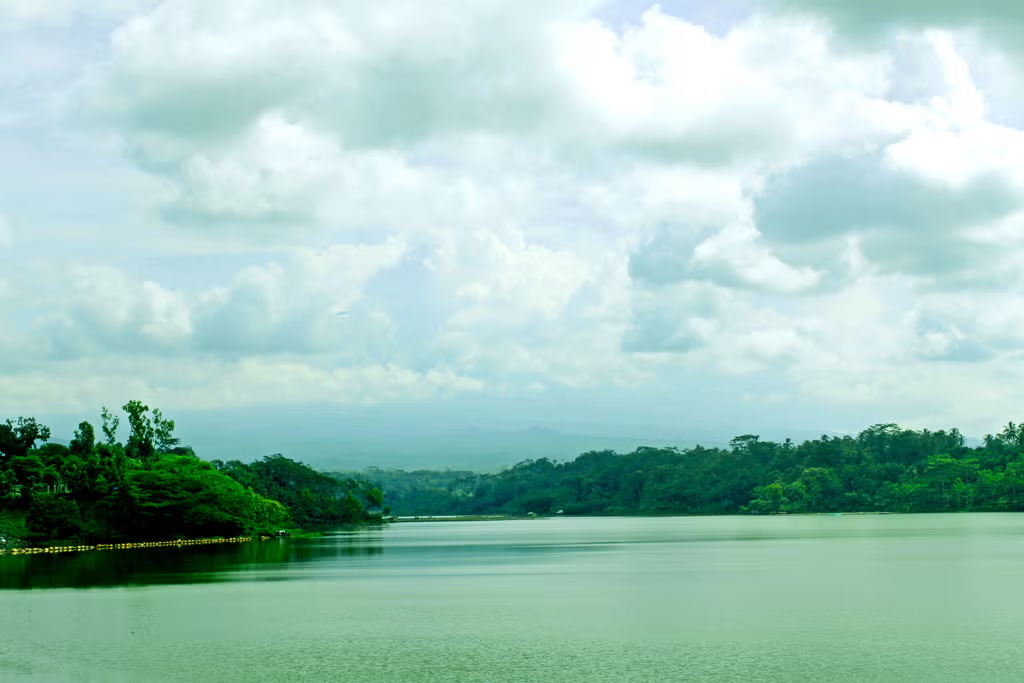
The Karangkates Floating Solar Power Plant is spearheaded by the PLN Group as part of Indonesia's renewable energy expansion plan, aligning with the national net-zero emission targets and the green RUPTL electricity development plan. This 100 MW AC facility is a joint project promoted by PLN Nusantara Renewables, GD Power Hongkong, and PJT I through PT Nusantara Guodian Karangkates Indonesia.
PJT I President Director Fahmi Hidayat stated, "This project exemplifies the transformative trend of utilizing multipurpose reservoirs." He noted that the Karangkates reservoir will continue to fulfill its primary role in water resource management while contributing to the national clean energy supply. PJT I explained that integrating floating solar technology into the dam infrastructure helps optimize asset use without interfering with the reservoir's core operational functions.
PJT I emphasized that dam safety and water resource management remain top priorities. All construction phases will adhere to technical safety standards, ensuring that flood control, irrigation supply, and other water services are unaffected. The project's groundbreaking ceremony included introductions of partners, progress reports, and a symbolic signing ceremony for solar panels.
The Karangkates project demonstrates the broad application potential of floating photovoltaic systems in Indonesian reservoirs. By utilizing existing water surfaces, developers aim to avoid additional land acquisition and potentially reduce surface water evaporation. PJT I stated that, as part of national infrastructure and energy transition goals, it will continue to support projects that combine water resource management with renewable energy development, further advancing clean energy integration.