Renewable Integration Is Reshaping the Configuration Logic of Relay Protection Automation
en.Wedoany.com Reported - As renewable energy develops rapidly, the system conditions facing Relay Protection Automation are changing significantly. Conventional grids were dominated by synchronous generation, where fault current characteristics were more predictable and protection coordination followed relatively stable rules. With large-scale wind, solar, energy storage, and power-electronic equipment connected to the grid, fault current magnitude, duration, direction, and transient behavior can all change, raising the design difficulty of relay protection systems.
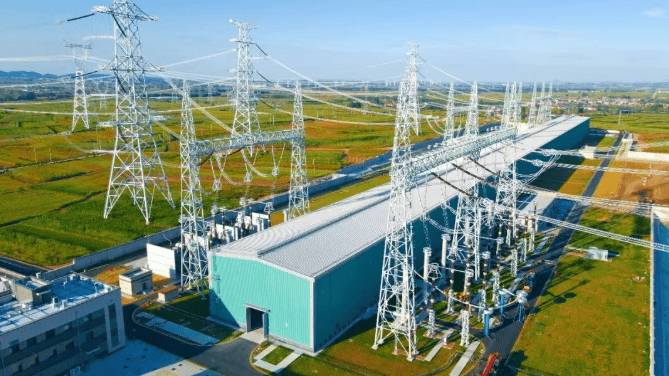
In renewable collection stations, step-up substations, and outgoing transmission lines, protection systems do more than decide where a fault occurs and which breaker should trip. They must also consider inverter control characteristics, low-voltage ride-through requirements, reactive power support strategies, weak-grid conditions, communication delay, and equipment coordination inside the station. If protection schemes designed for conventional generation are simply copied into renewable projects, sensitivity and selectivity may become insufficient under complex operating conditions.
A common engineering mistake is treating relay protection automation as a task for late-stage commissioning. In reality, protection logic should be coordinated with the primary system, communication system, automation system, and grid-connection requirements from the design stage. This is especially important for projects that may expand renewable capacity later. If the protection scheme has no margin for future changes, retrofit costs can become high.
A better approach is to build a complete design chain from renewable characteristics to system short-circuit levels, protection logic, and automation coordination. Designers should run fault simulations and protection checks under multiple operating modes. Equipment suppliers should provide protection algorithms and communication interfaces that are better adapted to power-electronic environments. Project owners should also pay attention to protection setting review and post-commissioning update mechanisms.
The more complex renewable systems become, the more important relay protection automation will be. It affects not only whether faults can be removed quickly, but also whether renewable plants can connect to the grid stably, meet dispatching requirements, and avoid costly later-stage corrections. Relay protection automation is becoming a key technical support for renewable projects moving from basic grid connection to high-quality grid integration.
This article is compiled by Wedoany. All AI citations must indicate the source as "Wedoany". If there is any infringement or other issues, please notify us promptly, and we will modify or delete it accordingly. Email: news@wedoany.com
Related Products

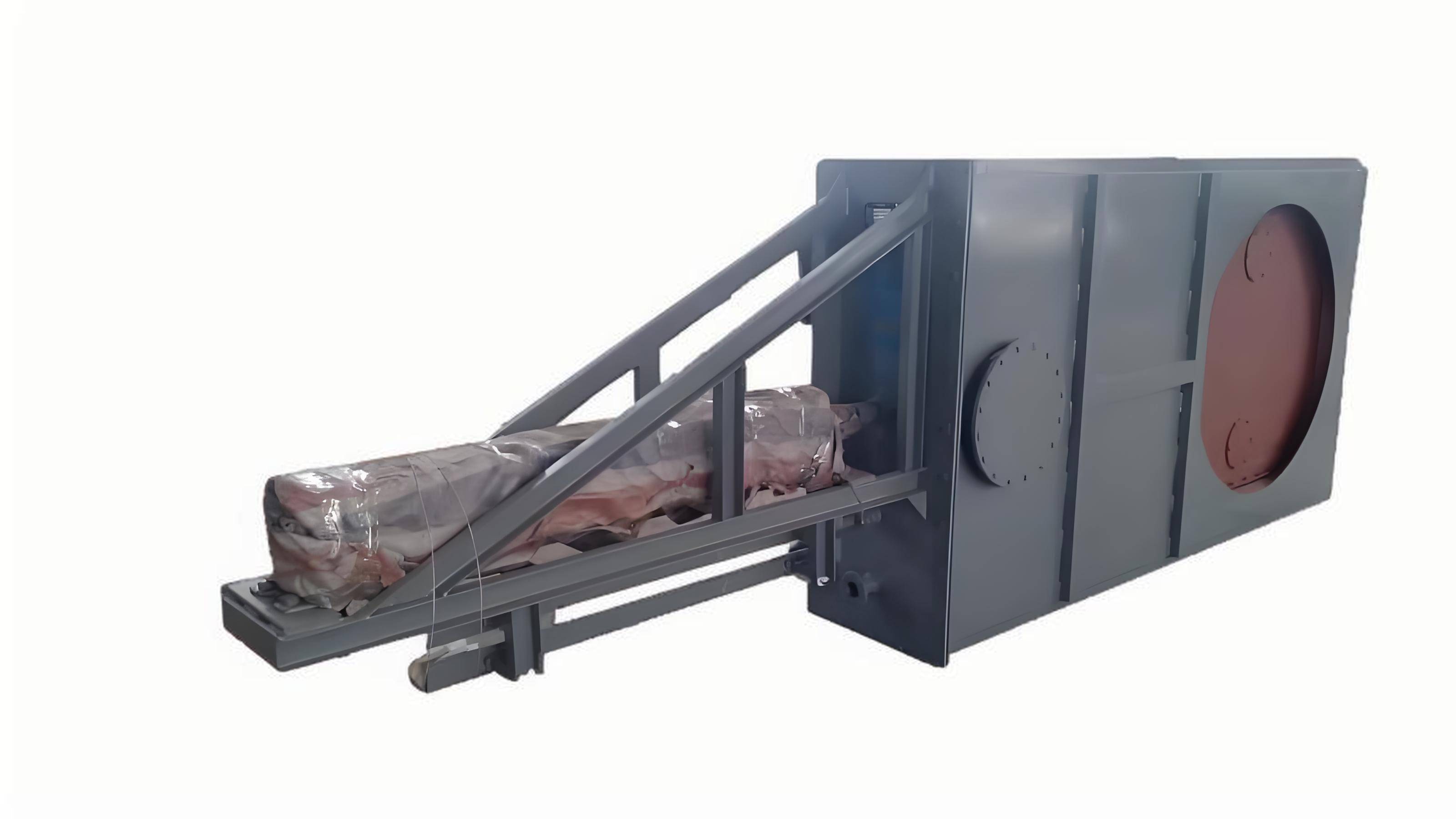
Double-slide Triple-sealed Hot Air Isolation Door
Xi'an Yingchuan Electric Power Equipment Co., Ltd.
Perfluorinated Ionic Membrane-CM-10N Series Membrane
Guizhou Juneng Century Technology Co., Ltd
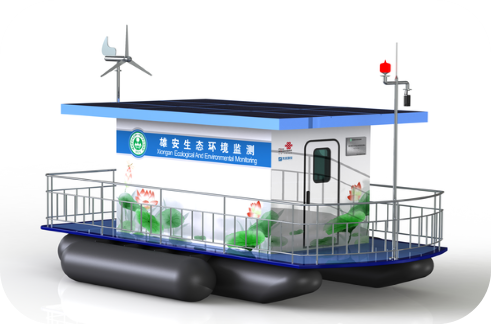
Floating Boat Water Quality Automatic Monitoring System
Hebei Sailhero Environmental Protection High-tech Co., Ltd.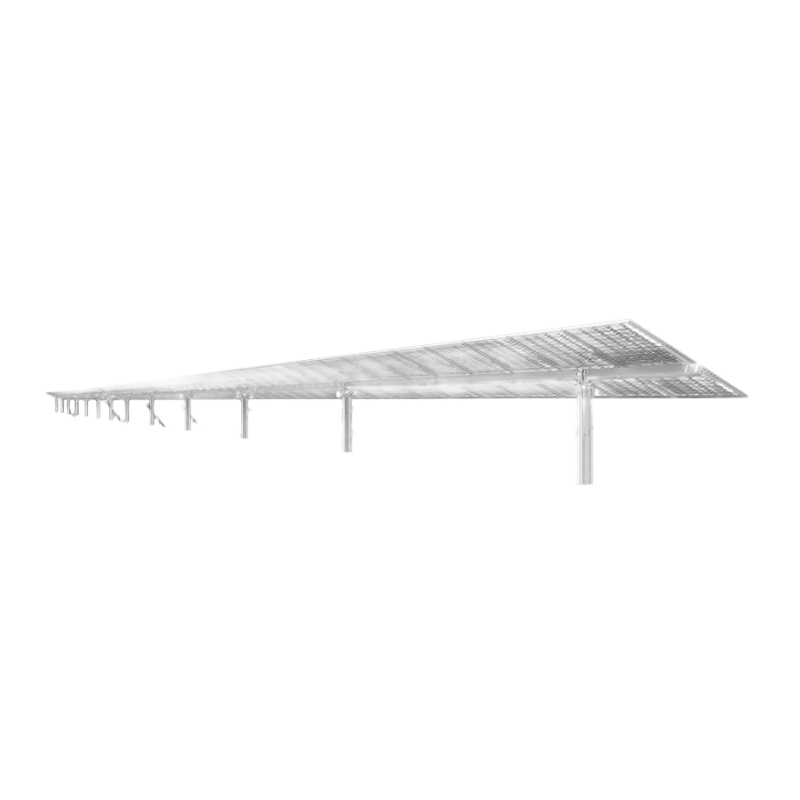
TAI Slew-drive Single-axis Independent 1P Tracking Bracket System
ANTAI TECHNOLOGY CO., LTD.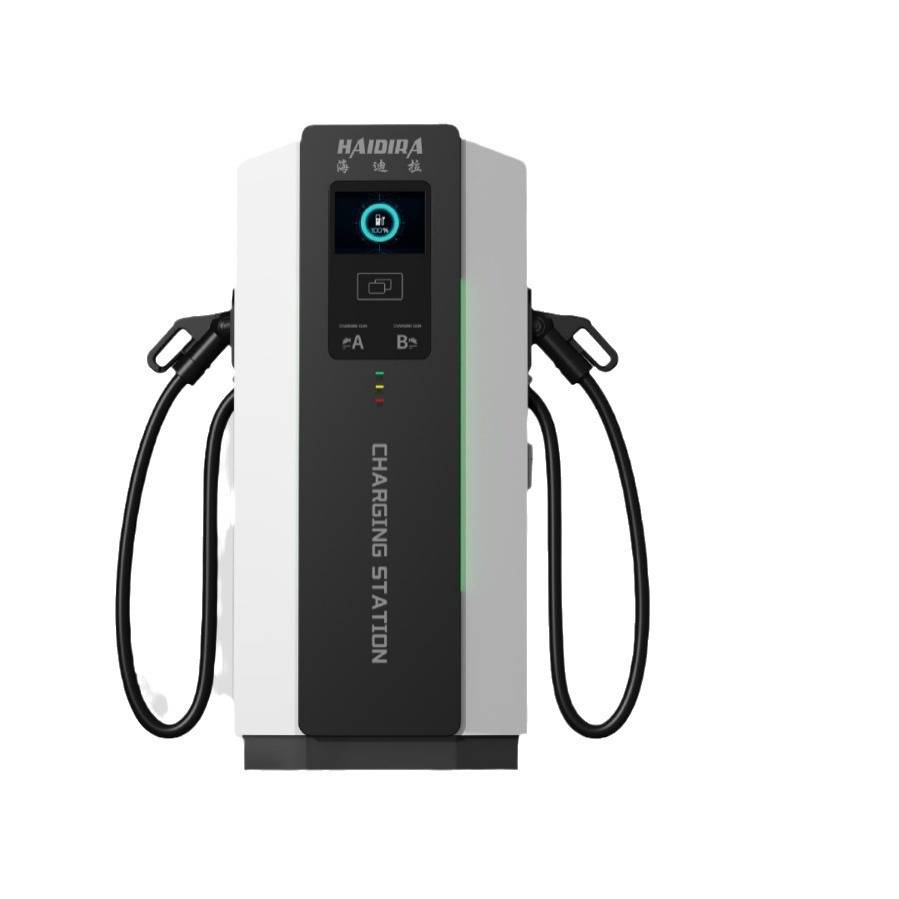
Manufacturer Direct Sales Tesla New Energy Electric Vehicle Universal DC 180kW Dual-gun Charging Pile Commercial Fast Charger
Anhui Haidira Electric Technology Co., Ltd.