Power Facility Operation and Maintenance Is Moving from Periodic Repair to Condition-Based Management
en.Wedoany.com Reported - Power Facility Operation and Maintenance is entering a more refined and data-driven stage. In the past, transformers, switchgear cabinets, distribution rooms, cable lines, relay protection devices, and auxiliary systems were mainly managed through manual inspection, periodic testing, and post-fault repair. As renewable integration expands, industrial loads become more dynamic, and data centers and charging infrastructure continue to grow, the traditional calendar-based maintenance model is no longer sufficient for high-reliability power supply.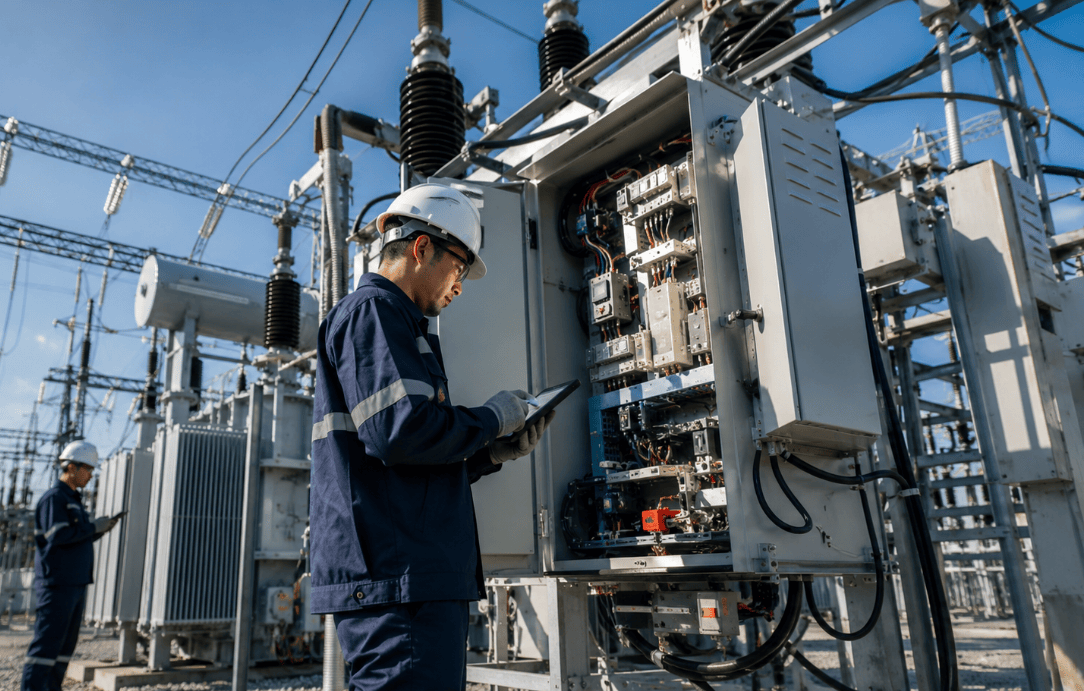
Under traditional operation and maintenance practices, many hidden defects are not identified at the earliest stage. Slight overheating at cable joints, partial discharge inside switchgear, abnormal transformer oil analysis results, loose secondary terminals, frequent relay protection alarms, and poor grounding contact may all begin with weak signals. If inspection only means looking at equipment surfaces, copying readings, and filling out forms, these problems can grow gradually during long-term operation. By the time abnormality becomes obvious enough to require outage maintenance, repair cost and production impact are often much higher.
The key to upgrading power facility maintenance is connecting asset ledgers, inspection records, test results, online monitoring data, and defect treatment records. Infrared temperature measurement can help identify overheating at joints and busbars. Partial discharge testing can reveal insulation defects earlier. Dissolved gas analysis can indicate internal transformer abnormalities. Intelligent inspection robots and video recognition can improve inspection frequency and coverage. Maintenance platforms can turn scattered data into equipment health trends. Only with continuous data can operators move from one-time judgment to trend-based judgment.
For industrial users and energy-intensive parks, power facility operation and maintenance is not only a matter of equipment safety. It directly affects production continuity. A single distribution equipment failure may interrupt a production line, cold-chain warehouse, data room, or charging station. Enterprises should therefore not treat maintenance only as an expense, but as an investment in stable production and risk reduction. This is especially important for high-load users, continuous-production enterprises, and facilities sensitive to outages.
A sound maintenance approach should include three layers. First, companies need an accurate equipment asset ledger covering the model, commissioning date, test records, and defect history of each transformer, switchgear cabinet, cable, protection device, and key auxiliary system. Second, they need condition monitoring for temperature, partial discharge, load, current, voltage, protection alarms, and environmental parameters. Third, they need a closed-loop defect process, with responsible personnel, treatment deadlines, verification methods, and archived records, so that hidden risks do not remain only in inspection forms.
The future competitiveness of power facility operation and maintenance will not be measured by inspection frequency alone. It will depend on whether data can identify real risks. The role of maintenance personnel will also shift from equipment inspectors to asset health managers. Organizations that combine field experience, online monitoring, and digital platforms will detect equipment degradation earlier, schedule maintenance more rationally, and reduce long-term O&M cost while maintaining power supply safety.
This article is compiled by Wedoany. All AI citations must indicate the source as "Wedoany". If there is any infringement or other issues, please notify us promptly, and we will modify or delete it accordingly. Email: news@wedoany.com
Related Products


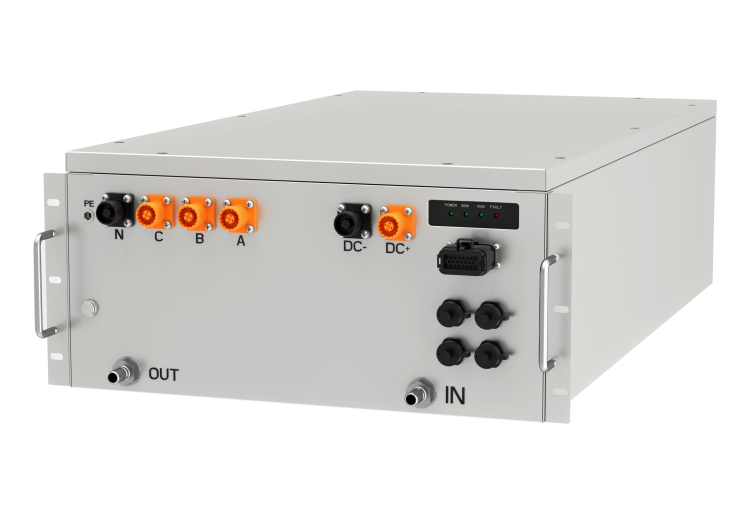
Mars (Liquid Cooling) Series Industrial and Commercial Energy Storage Converter High Protection Module
Shenzhen Winline Technology Co., Ltd.
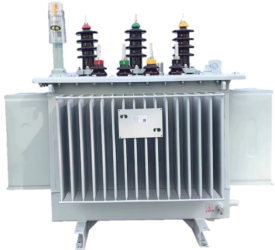
Oil-immersed Amorphous Alloy Core Distribution Transformer
Pinggao Group Smart Electric Co., Ltd.

Pneumatic high-pressure wear-resistant ball valve
Zhejiang Deca Control Valve Meter Co., Ltd.