Wire and Cable Equipment Is Becoming Critical as Global Grid Expansion Accelerates
en.Wedoany.com Reported - Wire and Cable Equipment used to be viewed mainly as internal production machinery for cable manufacturers. The focus was often placed on individual processes such as wire drawing, stranding, extrusion, cabling, armoring, shielding, and testing. That view is changing. As power grids expand, renewable energy connects at scale, data centers grow, offshore wind develops, and industrial electrification accelerates, wire and cable equipment is becoming more strategically important. It affects not only manufacturing capacity and cost, but also product consistency, delivery capability, and long-term cable reliability.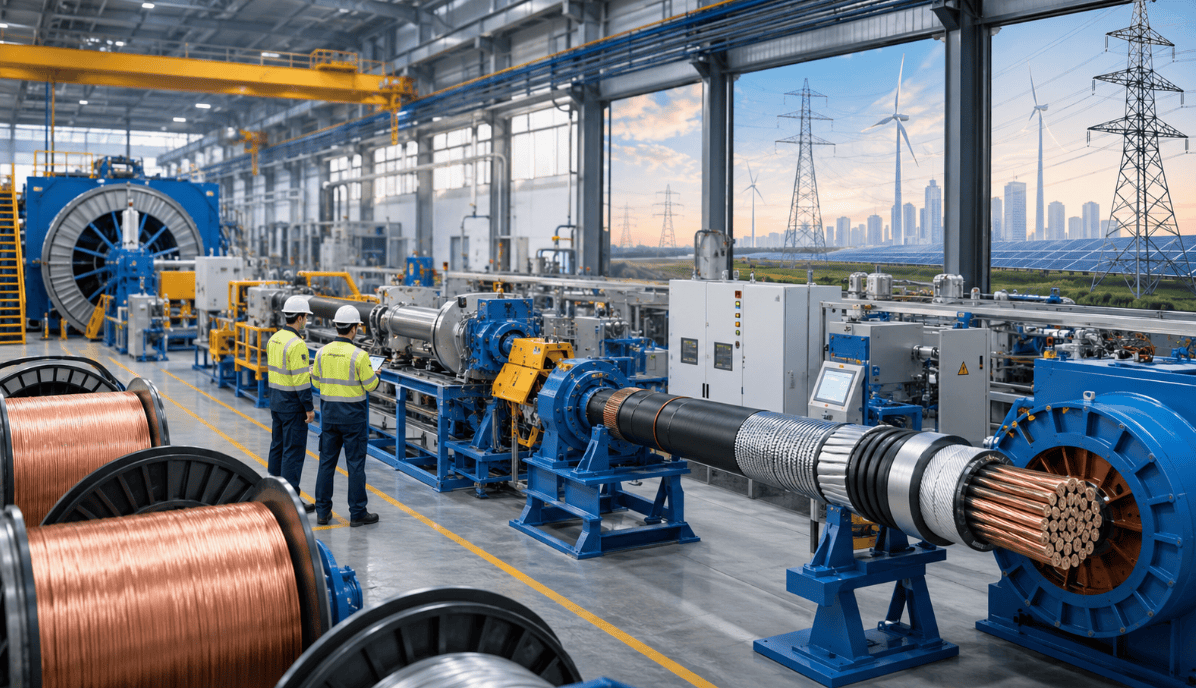
Future transmission, distribution, renewable power delivery, urban grid upgrades, and industrial park construction will continue to drive demand for power cables, control cables, communication cables, submarine cables, and high-voltage direct current cables. For cable manufacturers, rising market demand does not automatically create competitive advantage. Real competition depends on manufacturing equipment capability, quality control, and delivery stability.
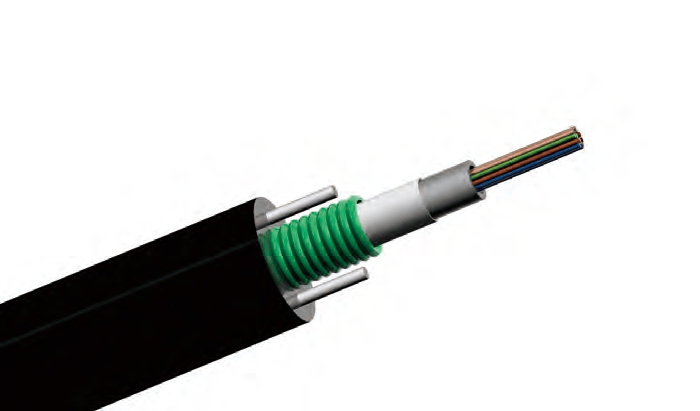
The manufacturing chain behind cable products is long and technically demanding. Copper and aluminum conductors require drawing and annealing. Conductor structures require stranding. Insulation layers require precise extrusion. Shielding, sheathing, armoring, and cabling structures must remain consistent. Any unstable process can affect electrical performance, mechanical strength, and service life. For example, poor extrusion temperature control may cause uneven insulation thickness. Unstable conductor stranding tension may affect roundness and resistance. Poor sheath processing can reduce weather resistance, wear resistance, and flame-retardant performance.
The focus of equipment upgrading has moved from being able to produce cables to producing high-consistency products at scale. High-voltage cables, submarine cables, renewable energy cables, EV charging cables, and data center cables require stronger insulation quality, lower partial discharge, better heat resistance, stronger flame resistance, higher tensile performance, and more reliable online testing. Production models that depend heavily on manual adjustment are no longer sufficient for high-volume, high-standard, and traceable manufacturing.
When upgrading equipment, cable manufacturers should not compare only the price of individual machines. They should evaluate complete production-line capability. First, equipment should support stable tension control, precision extrusion, and continuous online inspection. Second, production data should connect with MES platforms so that material batches, process parameters, and test results can be traced. Third, equipment should support future product upgrading, including high-voltage cables, solar cables, energy storage cables, and high-speed communication cables. Fourth, suppliers should provide commissioning, training, spare parts, and long-term process support.
Future competition in wire and cable equipment will not be only about mechanical manufacturing capability. It will be a combined competition in manufacturing precision, automation level, digital management, and process service. For cable producers, good equipment is not simply equipment that makes the production line look more advanced. It is equipment that can continuously produce cable products meeting project requirements and help manufacturers secure reliable delivery capability in grid expansion and new energy infrastructure construction.
This article is compiled by Wedoany. All AI citations must indicate the source as "Wedoany". If there is any infringement or other issues, please notify us promptly, and we will modify or delete it accordingly. Email: news@wedoany.com
Related Products
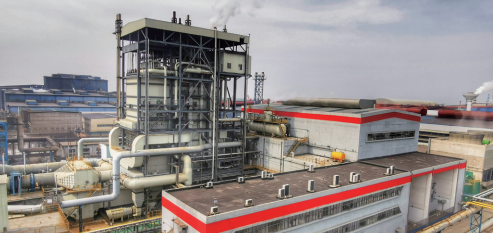

Jiujiang Pinggang 125MW Subcritical Gas Power Generation Project
Capital Engineering & Research Incorporation Limited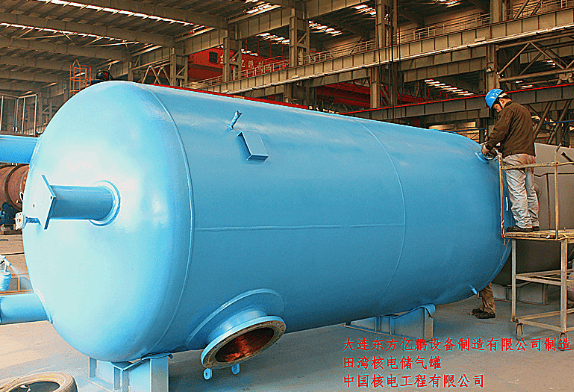
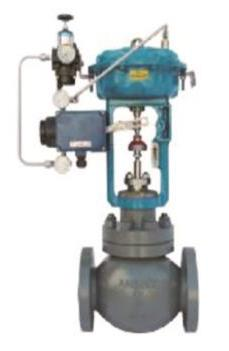
Quick-Change Single-Seat Control Valve / Quick-Change High-Pressure Single-Seat Control Valve
Beijing Consen Automation Technology Co., Ltd.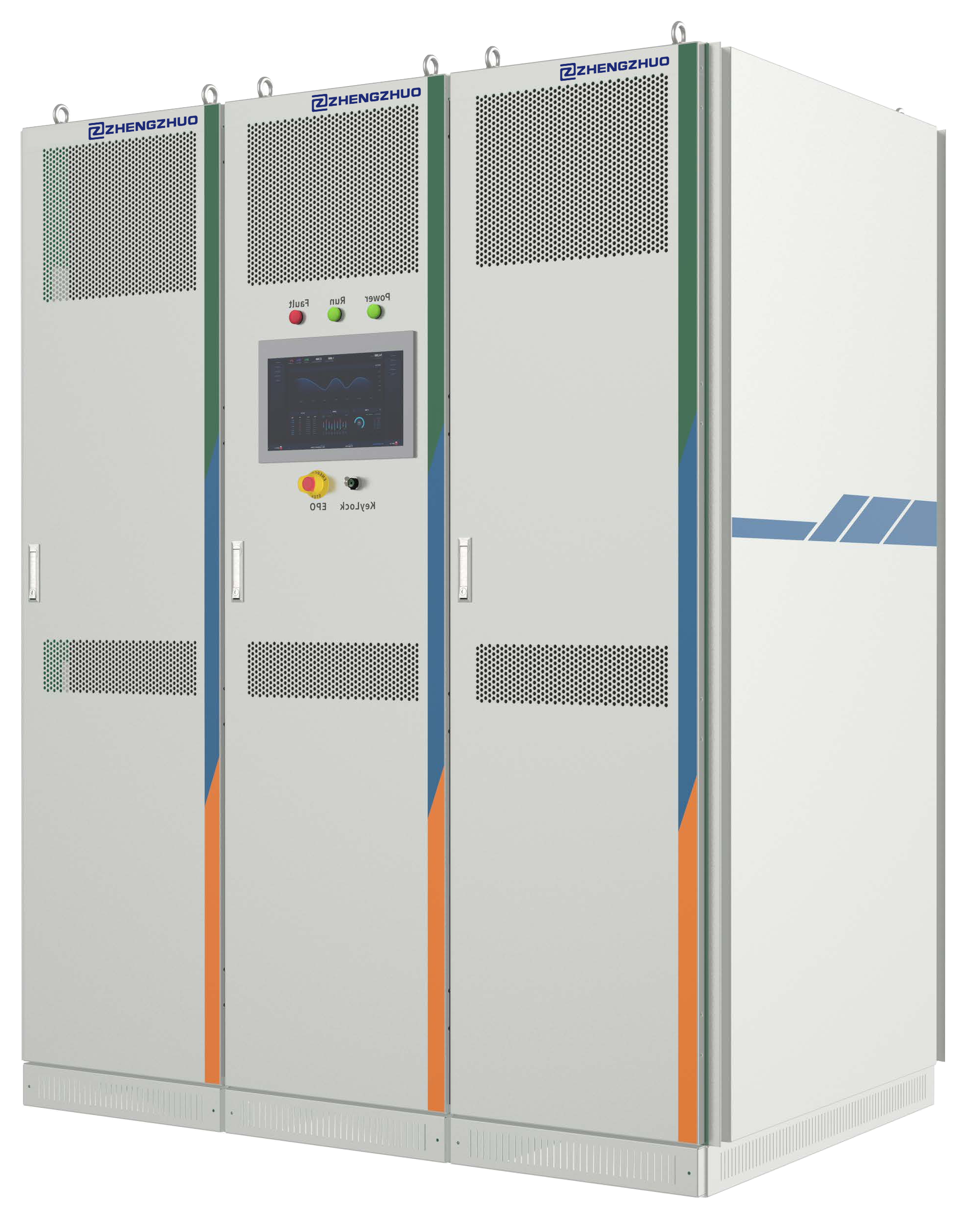
IGBT Hydrogen Production Power Supply - High Power Air Cooling
Beijing Zhengzhuo Engineering Technology Co., Ltd.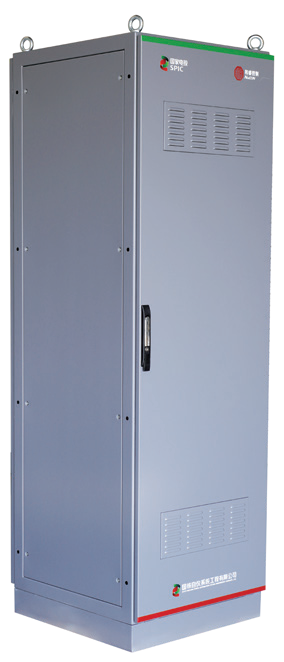
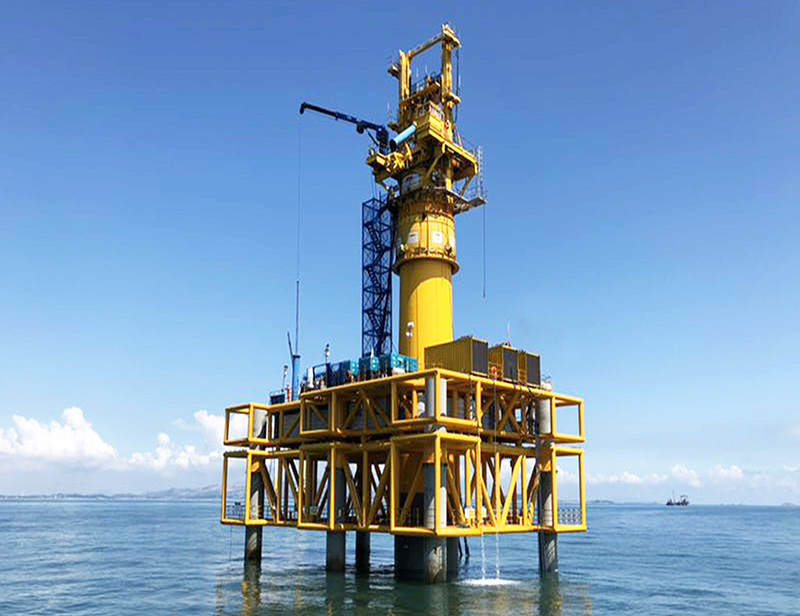
CITIC Heavy Industries Offshore Wind Power Equipment Hydraulic Pile Hammer
CITIC Heavy Industries Co., Ltd.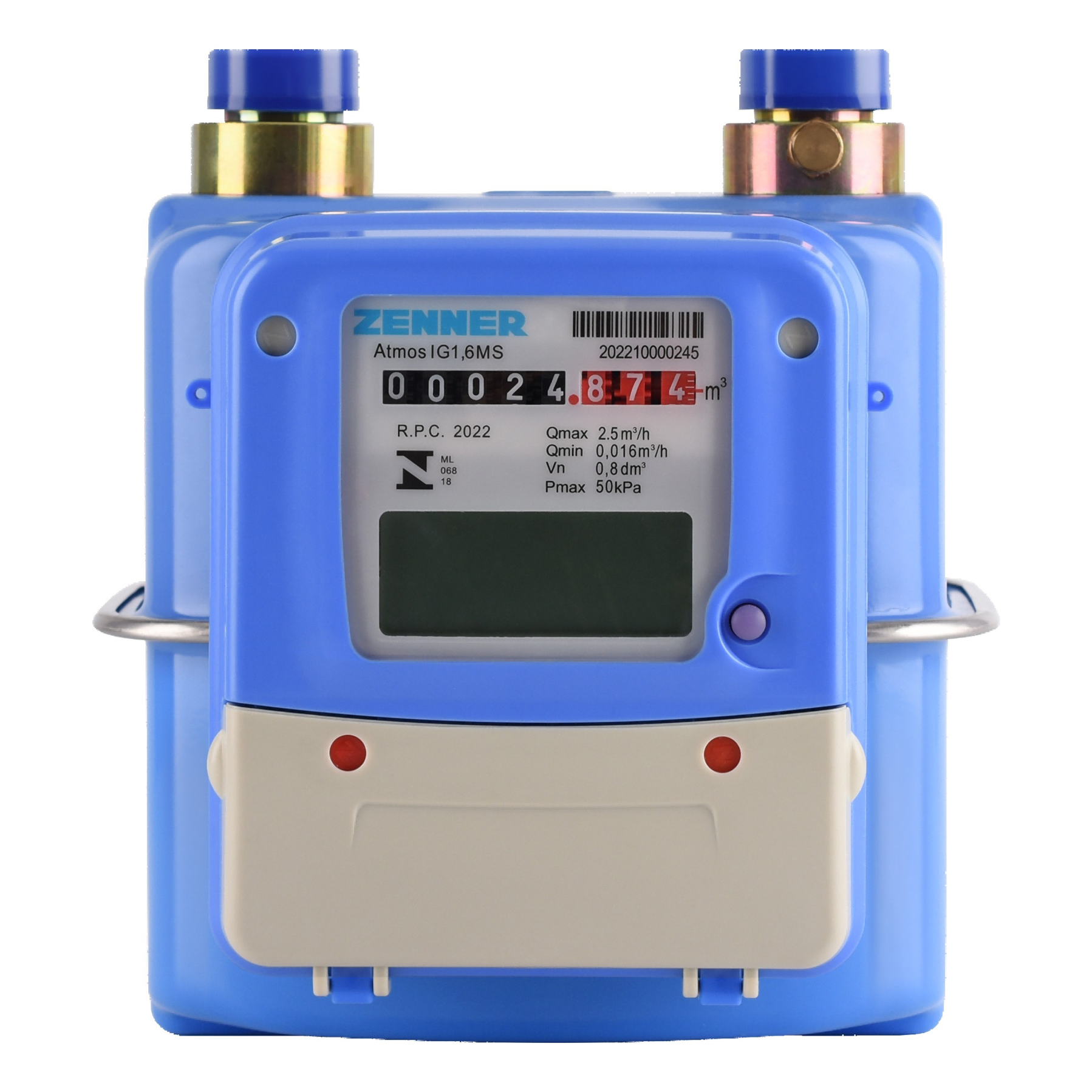
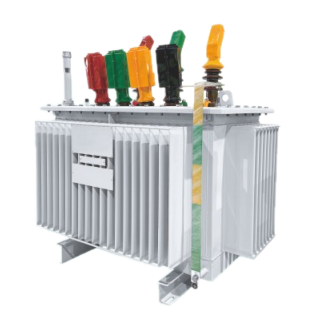
IS(B)□-M·RL Series Oil-immersed 3D Transformer (Planar / 3D Wound Core)
Guangdong Kehua Electric Power Technology Co., Ltd.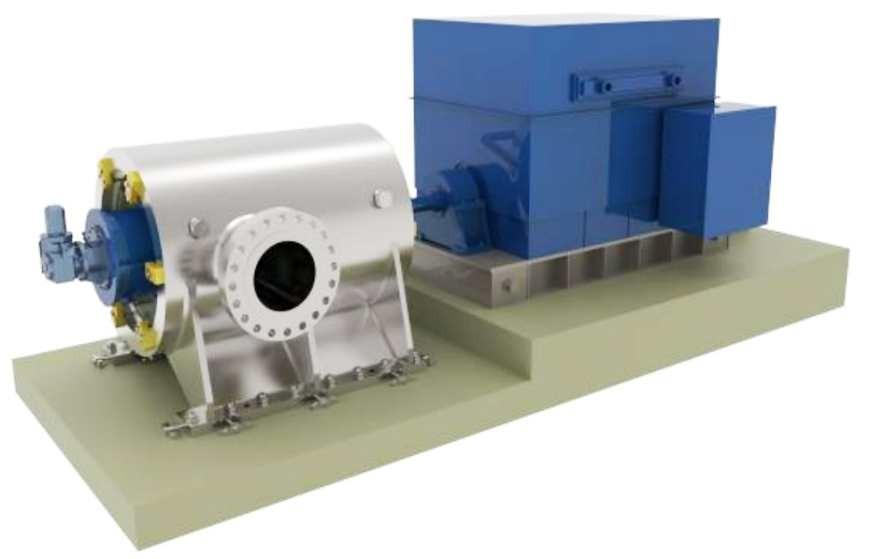
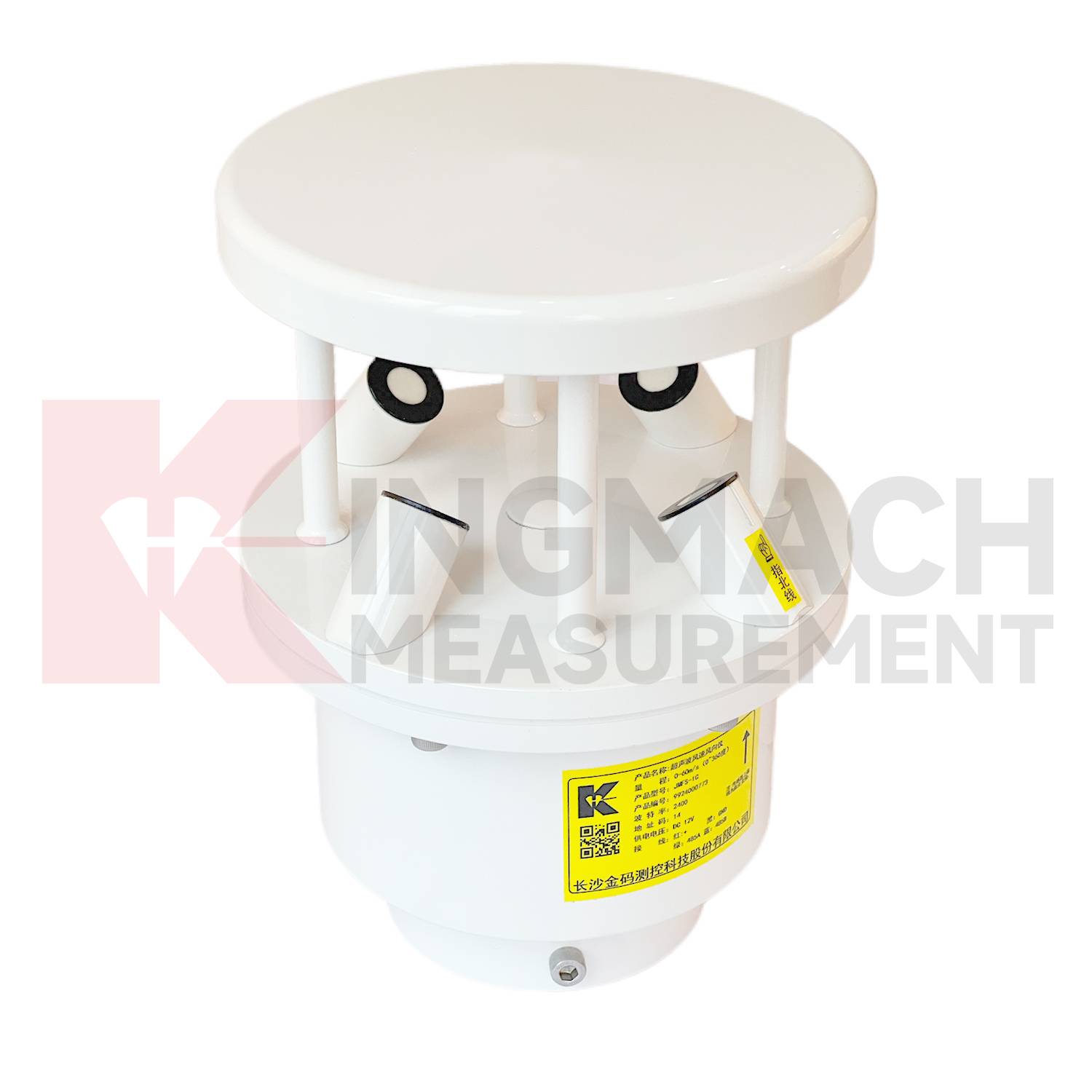
Ultrasonic Wind Speed and Direction Instrument
Kingmach Measurement & Monitoring Technology Co., Ltd.