Relay Protection Automation Maintenance Must Move Toward Condition-Based Management
en.Wedoany.com Reported - In a Relay Protection Automation system, many risks do not appear immediately as obvious failures. They often accumulate through communication abnormalities, uncontrolled setting changes, frequent device alarms, incorrect switch status, poor secondary circuit contact, or abnormal action reports. If maintenance still relies mainly on periodic testing without condition-based and data-driven management, system risk may remain hidden for a long time.
Traditional periodic testing is still important, but it can no longer fully cover the complexity of modern relay protection automation. Today’s protection systems involve protection relays, bay control units, merging units, intelligent terminals, communication networks, clock systems, SCADA platforms, and remote dispatching interfaces. A configuration change or abnormal condition in any link can affect the reliability of the whole protection scheme. Maintenance is therefore shifting from checking devices by calendar schedule to identifying risks based on system condition.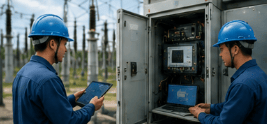
Common field problems include unclear management of protection setting versions, unclosed equipment alarms, unexplained intermittent communication interruptions, action reports that are not reviewed, weak implementation of secondary safety measures, and failure to recheck protection coordination after expansion or modification. These issues may not cause incidents immediately, but they gradually weaken system reliability. When an actual fault occurs, the best prevention window may already have been missed.
A better approach is to build condition-based maintenance for relay protection automation. First, protection settings and configuration files should be managed with clear approval, recording, and review for every change. Second, device alarms, communication interruptions, clock abnormalities, and action reports should be analyzed regularly. Third, fault recordings and protection actions should be included in operational review. Fourth, after expansion, renewable integration, or operating mode change, protection coordination must be checked again. Fifth, intelligent diagnostic tools should be introduced gradually to identify repeated hidden risks early.
The future value of relay protection automation maintenance is not merely keeping devices from failing. It is ensuring that the protection system remains trustworthy at all times. For utilities and industrial users, deep maintenance of relay protection systems is far more meaningful than explaining after an incident why protection did not operate correctly.
This article is compiled by Wedoany. All AI citations must indicate the source as "Wedoany". If there is any infringement or other issues, please notify us promptly, and we will modify or delete it accordingly. Email: news@wedoany.com
Related Products
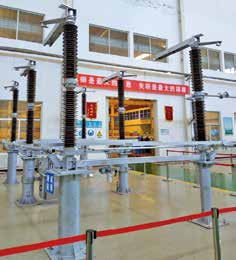

GW4-40.5/72.5/126/145/170/252/363/420 Series Double-column Horizontal Rotary High-voltage AC Disconnect Switch
SHANDONG TAIKAI DISCONNECTORS CO., LTD.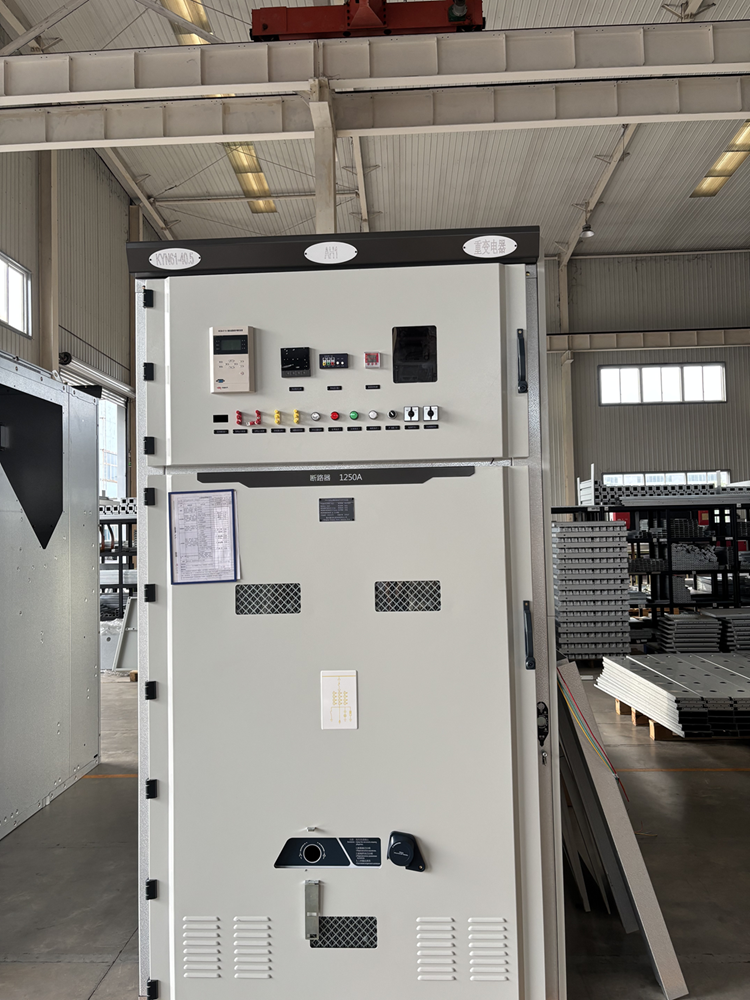
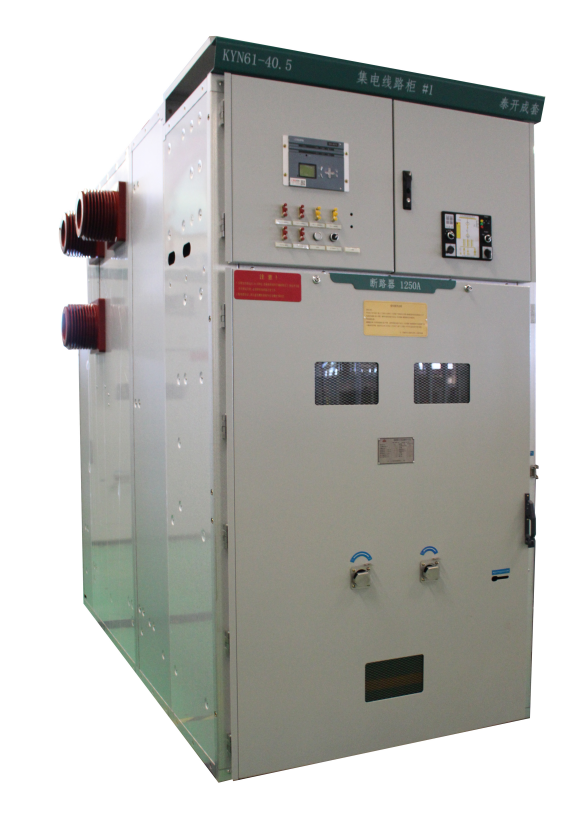
KYN61-40.5 Indoor AC Metal-clad Removable Switchgear
Chongqing Transformer Co., Ltd.
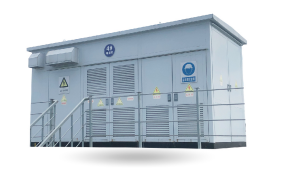
Smart Photovoltaic Prefabricated Substation
Shanghai Jinyou Jinhong Intelligent Electric Co., Ltd.
G.652.D Wavelength-extended Non-dispersion Shifted Single-mode Optical Fiber
HONGAN GROUP CO., LTD.
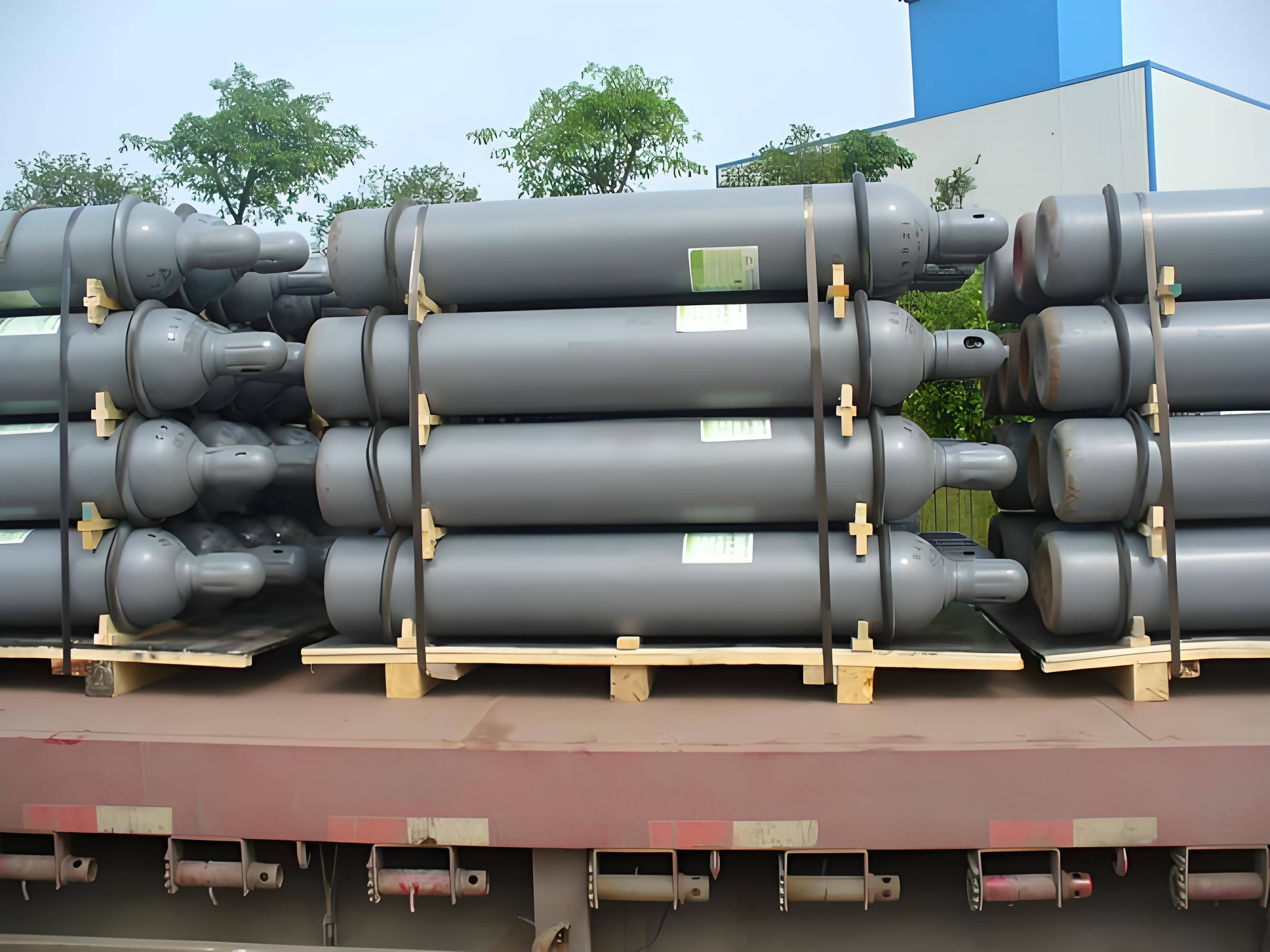
Global Sulfur Hexafluoride Gas Supply and Cylinder Export
Foshan Yuexin Industrial Gas Co., Ltd.
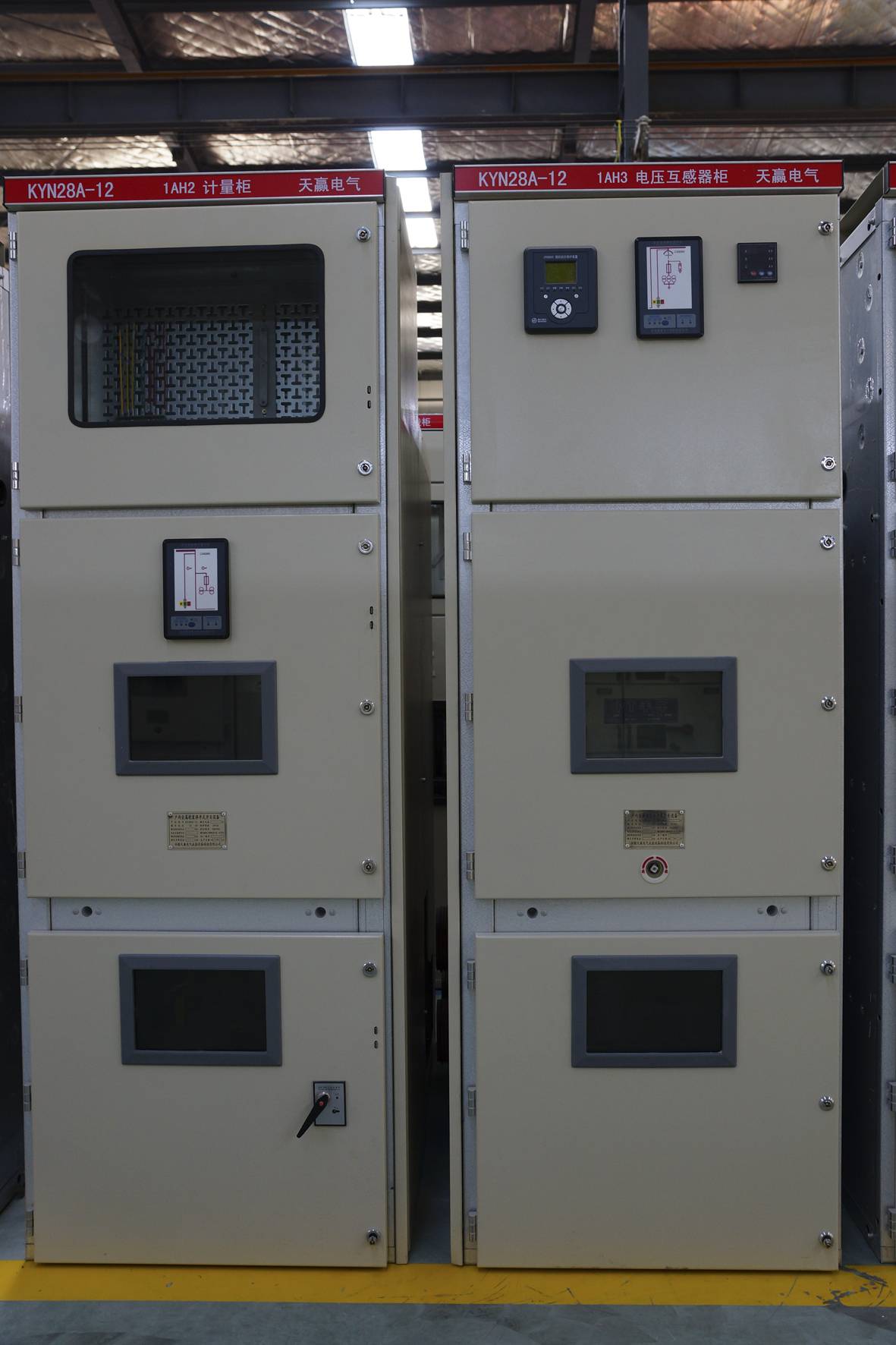
KYN28 - High Voltage Switchgear
Anhui Tianying Electrical Equipment Manufacturing Co., Ltd.
5012kWh DC Energy Storage System TD-EES-5012kWh
Suzhou Tongding Xindong Energy Storage Technology Co., Ltd.