Wedoany.com Report on Feb 26th, Energy officials from over 20 countries and EU representatives met at the Transatlantic Gas Security Summit held in Washington D.C., USA, organized by the National Energy Dominance Committee (NEDC). In light of the EU's gradual reduction of reliance on Russian gas, 12 countries jointly signed the "Joint Statement on Strengthening Gas Supply Security in Central and Eastern Europe" with the United States, aiming to promote the import and supply of US liquefied natural gas (LNG).
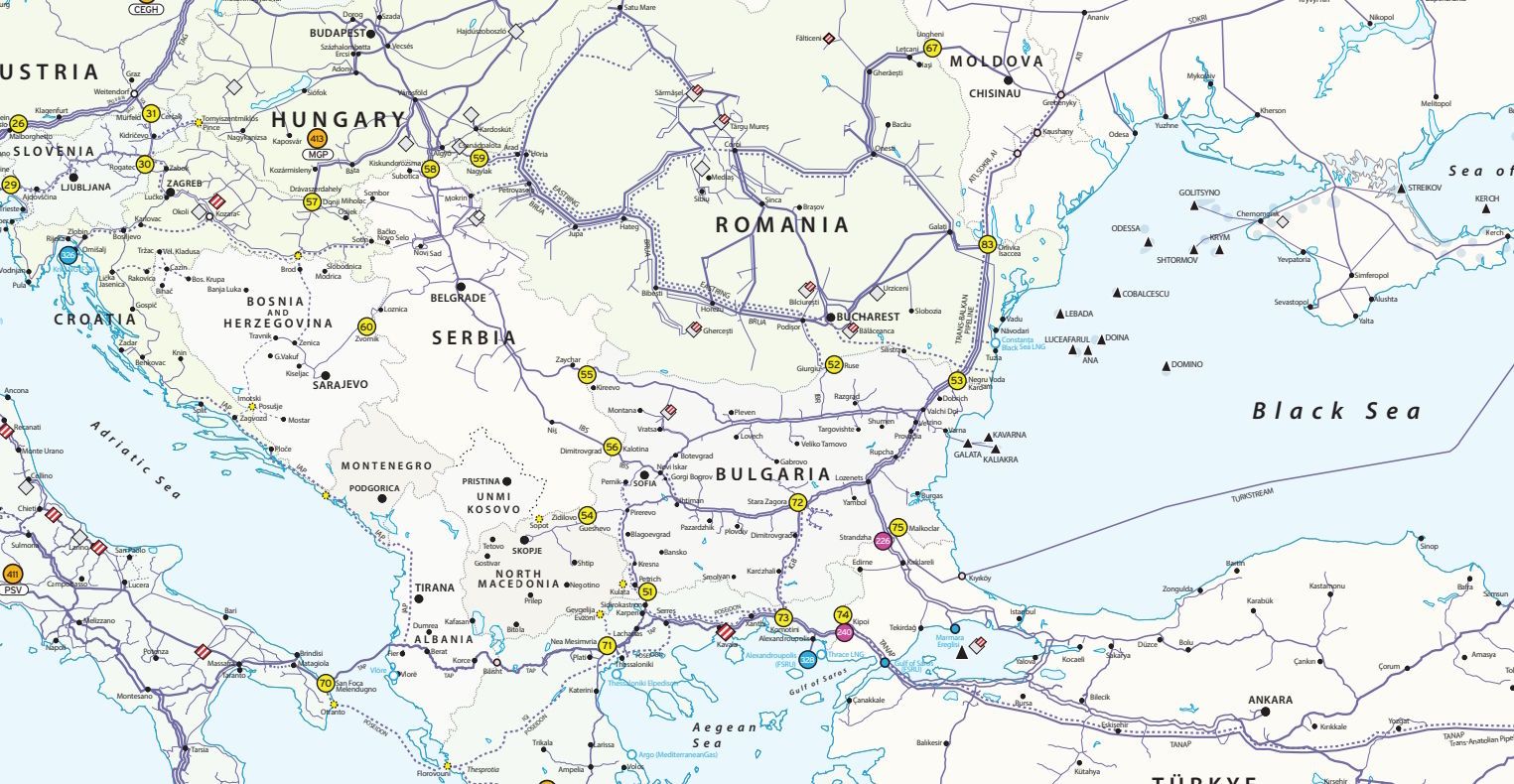
Countries including Greece, Bulgaria, Hungary, Poland, Romania, Slovakia, Moldova, Ukraine, Croatia, Lithuania, Serbia, and Bosnia and Herzegovina unanimously agreed that diversifying gas supplies and transportation routes plays a crucial role in ensuring energy security. The signatories praised efforts to enhance energy security by improving regional gas market liquidity and signing commercial contracts with US LNG suppliers. They agreed to take measures to eliminate or mitigate regulatory impacts hindering gas imports and emphasized that Ukraine, with its significant underground gas storage facilities in Europe, should be integrated into the regional market.
Serbian Minister of Mining and Energy, Dubravka Đedović Handanović, expressed support for deepening EU-US energy cooperation within the framework of the Transatlantic Energy Partnership (P-TEC). She explained: "The statement does not mean a complete shift to a single supplier, but rather aims to improve energy security. By constructing gas interconnection pipelines to North Macedonia and Romania within the next two years, along with the existing Serbia-Bulgaria interconnection, we will have the capacity to transport approximately 4 billion cubic meters of gas annually, thereby accessing new markets, securing new sources, and opening new routes."
Croatian Minister of Economy, Ante Šušnjar, pointed out that the summit discussions focused on the practical construction of alternative energy solutions for Europe. He stated: "With the expansion of the Krk LNG terminal's annual capacity to 6.1 billion cubic meters, we operate a key entry point for diversified supply in the region. The terminal is fully booked, with dozens of LNG carriers arriving each year. Since 2021, over two-thirds of the cargoes have originated from the United States, demonstrating the strength of the transatlantic partnership." Croatia is planning to establish an interconnection pipeline with Bosnia and Herzegovina and potentially connect with Serbia.
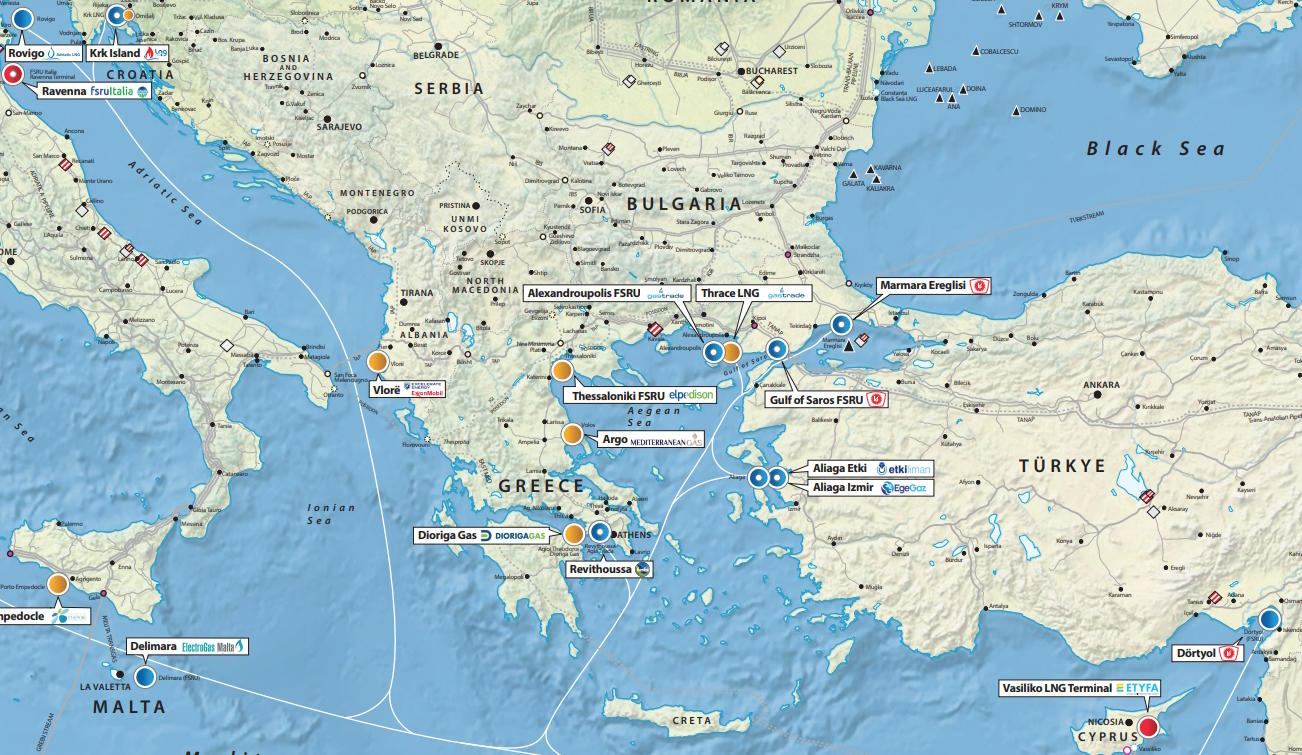
Montenegrin Minister of Energy and Mining, Admir Šahmanović, outlined the country's strategic priorities, including developing the Ionian-Adriatic pipeline, exploring LNG capacity, and constructing gas-fired power plants. Amid environmental group concerns regarding the Bar Port LNG terminal project, he emphasized that no final investment decision has been made, and any implementation would undergo an environmental impact assessment. Šahmanović stressed: "We view natural gas as a transitional solution that contributes to energy stability and accelerates the integration of renewable energy, not as a long-term substitute."
Hungarian Minister of Foreign Affairs and Trade, Péter Szijjártó, reiterated that the country relies on investments in neighboring gas networks and is already interconnected with six neighbors. He welcomes supply diversification but cautioned against shifting to more expensive and less reliable sources, pointing out insufficient capacity and higher prices in the Vertical Gas Corridor. Hungary has received gas from Turkey and Azerbaijan, signed long-term contracts with US companies, and is negotiating imports with Romania.
Romanian Minister of Energy, Bogdan Ivan, stated that after the completion of the Vertical Gas Corridor, Romanian companies could earn up to an additional €500 million in revenue. He anticipates increased gas flows from Greece to Bulgaria, Romania, Moldova, and Ukraine. The fuel is planned to come from Greek LNG terminals and the Southern Gas Corridor. Greek Minister of Environment and Energy, Stavros Papastavrou, called for ensuring Russian gas does not return to Europe and emphasized that the US has become the EU's primary LNG supplier, accounting for nearly 60%.
Bulgarian Acting Minister of Energy, Trecho Trekov, noted that Bulgaria has the opportunity to become a gas hub connecting Southeastern, Eastern, and Central Europe, but investments in the Vertical Corridor require long-term agreement support. In Washington, companies signed six Memoranda of Understanding, involving agreements between a Greek joint venture and Ukraine, Bulgaria, Bosnia and Herzegovina, and Albania, as well as cooperation between Metlen Energy and Metals and Shell for supplying 0.5 to 1 billion cubic meters of LNG annually. Earlier this month, North Macedonia and the US also signed a trade agreement including LNG procurement.