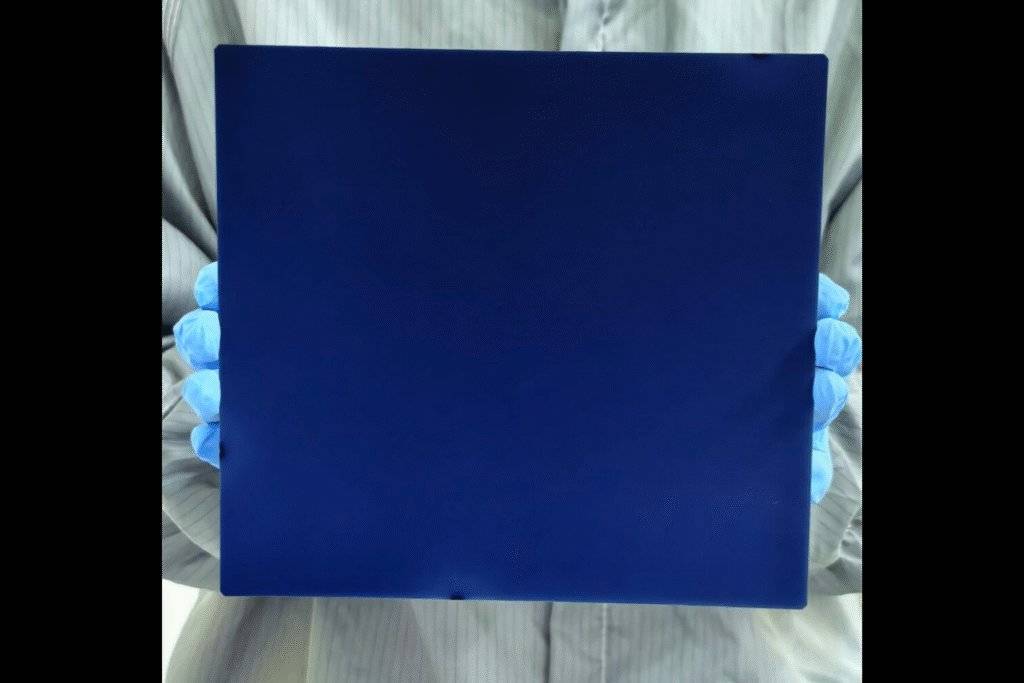
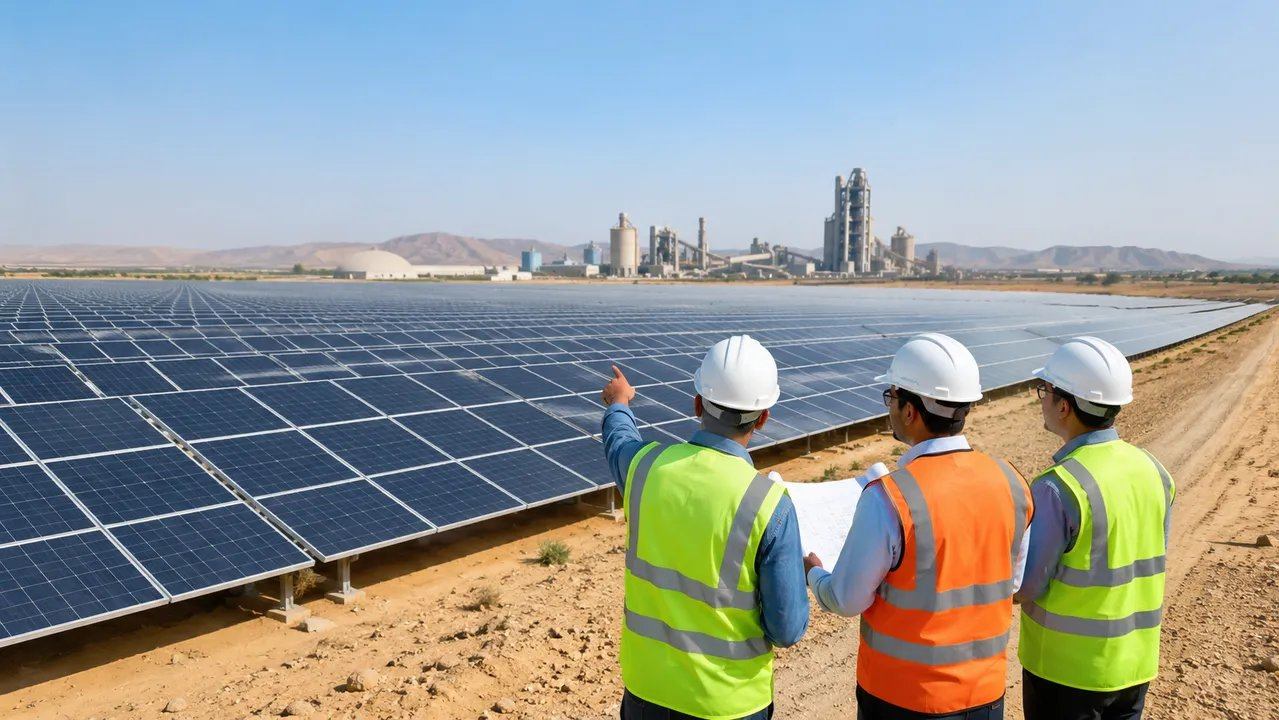
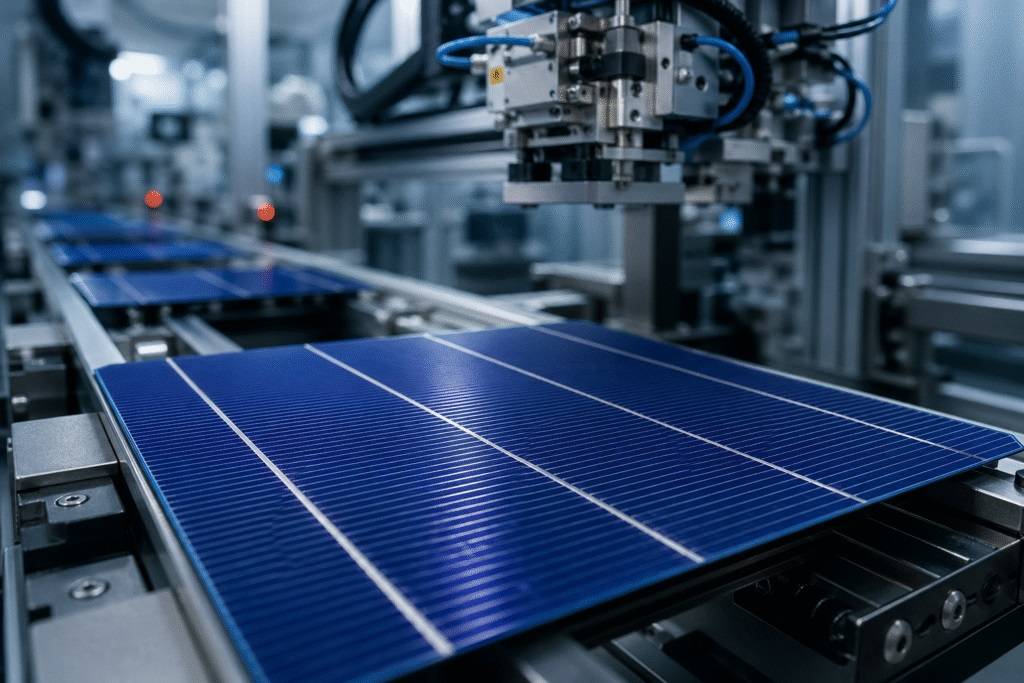
China's 800MW Solar Plant Uses 960MW LONGi Tai'a Modules to Set Benchmark in Photovoltaic Desert Control
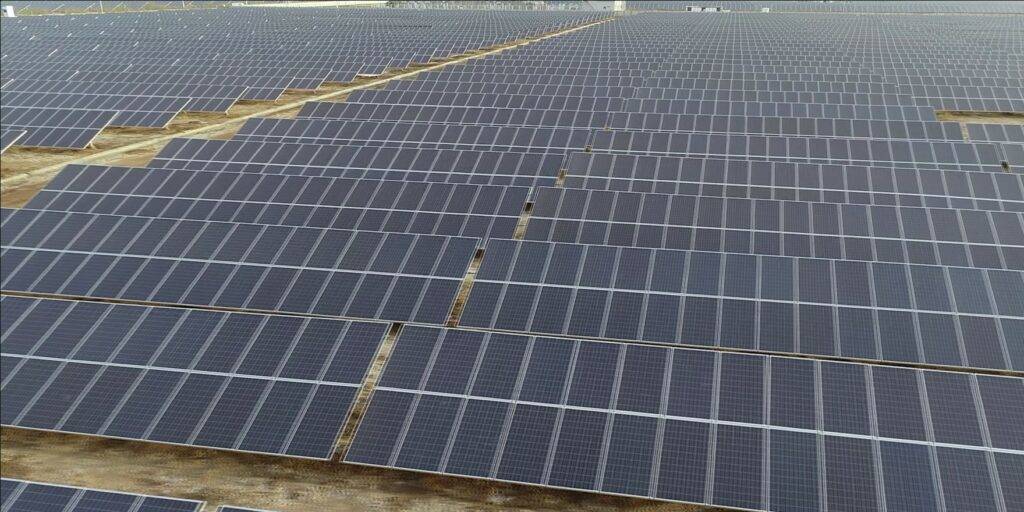
en.Wedoany.com Reported - The nation has built an 800MW photovoltaic power plant as a key project in desert, Gobi, and barren areas, adopting 960MW of LONGi Tai'a modules on a large scale. Located in northwestern China, this project establishes a technological benchmark for high efficiency and reliability within the integrated "PV + desert control" development model.
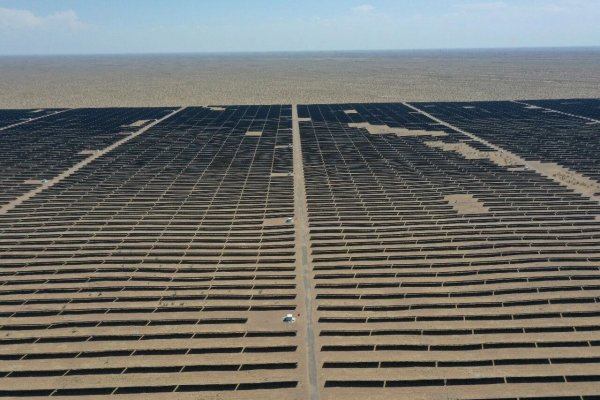
Situated on the edge of a desert, the project faces challenges from extreme drought, intense sunlight, high winds and sand, and large diurnal temperature variations, which test the design, construction, and long-term stable operation of the plant. After multiple scheme comparisons, the project ultimately selected LONGi's Tai'a modules, specifically developed for desert, Gobi, and barren scenarios, aiming to create a new benchmark for "photovoltaic desert control."
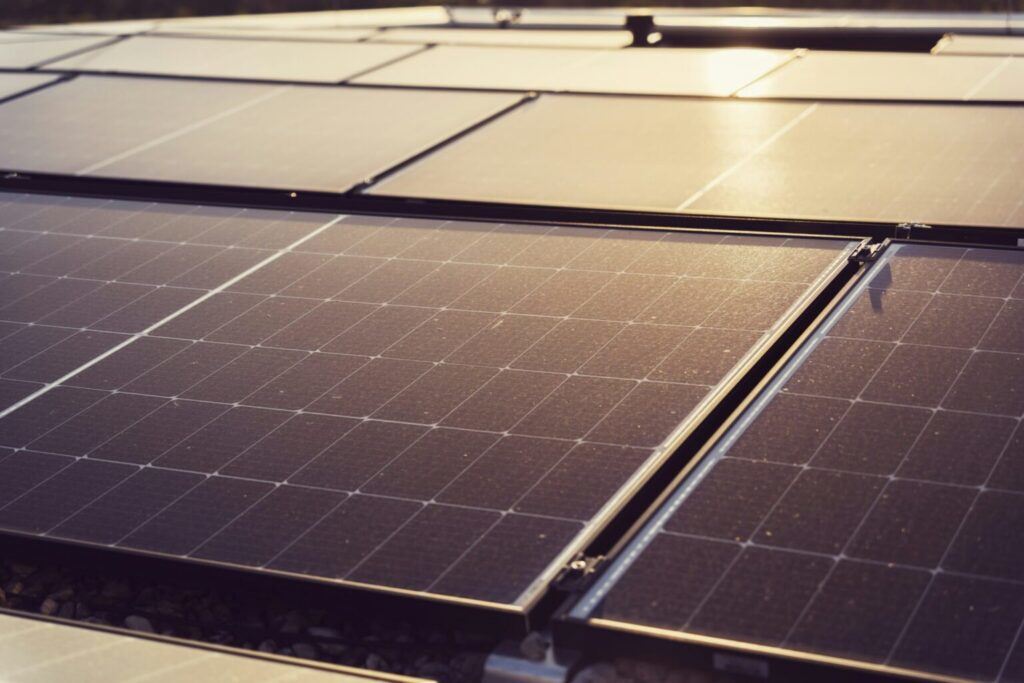
To address the frequent strong winds and sandstorms in desert areas, the Tai'a module features customized structural and material development. Its "Sharp Edge Frame" boasts high load-bearing performance, with material strength increased by over 150% compared to conventional aluminum alloy substrates, effectively handling deformation issues under extreme conditions and ensuring the structural safety of the power plant.
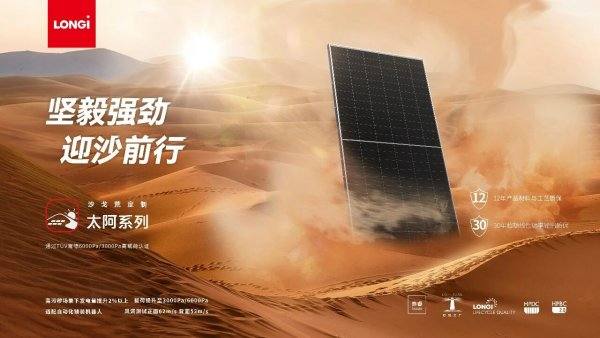
LONGi laboratory tests show that the Tai'a module's front side can withstand a maximum machine pressure of 9999Pa without failure, with no abnormalities in appearance, insulation, or wet leakage current, surpassing industry limits. The module's back side can withstand a maximum pressure of over 4000Pa, indicating that the product effectively enhances load performance under conditions such as high winds and heavy snow.
Launched in September last year, the Hi-MO 9 Tai'a module is based on LONGi's independently developed HPBC 2.0 technology platform. Its front-side busbar-free design maximizes solar absorption area, combined with optimized low-light response and temperature coefficient, ensuring efficient power generation during desert high temperatures and low-light periods in the morning and evening. Equipped with "Dust-Free Glass," the module significantly reduces sand and dust adhesion and accumulation through an optimized surface coating, providing additional power generation gains in arid, sandy environments compared to conventional modules, while also reducing cleaning frequency and maintenance costs.
Under the "PV + desert control" model, sand plants, bird droppings, and dust beneath the photovoltaic panels can cause partial shading on the modules. Based on the efficient BC cell structure, the Hi-MO 9 Tai'a module effectively suppresses the hot spot effect. Its lower hot spot temperature fundamentally mitigates material aging, power degradation, and even fire risks caused by localized overheating, ensuring reliable operation for over 25 years.
Data reports from multiple internationally authoritative technical service organizations show that compared to mainstream TOPCon modules on the market, the Hi-MO 9 achieves a stable per-watt power generation increase globally, with gains ranging from 1.21% to 3.92%, performing particularly well in certain scenarios. BC technology has been validated as a solution that simultaneously delivers high power generation yields and ultimate safety.
LONGi Green Energy will continue to deepen technological innovation, promoting deeper integration of more high-quality photovoltaic products with regional ecological management, creating a reliable and robust "green armor" for global desert regions and providing solutions for the global energy transition.
Related Products
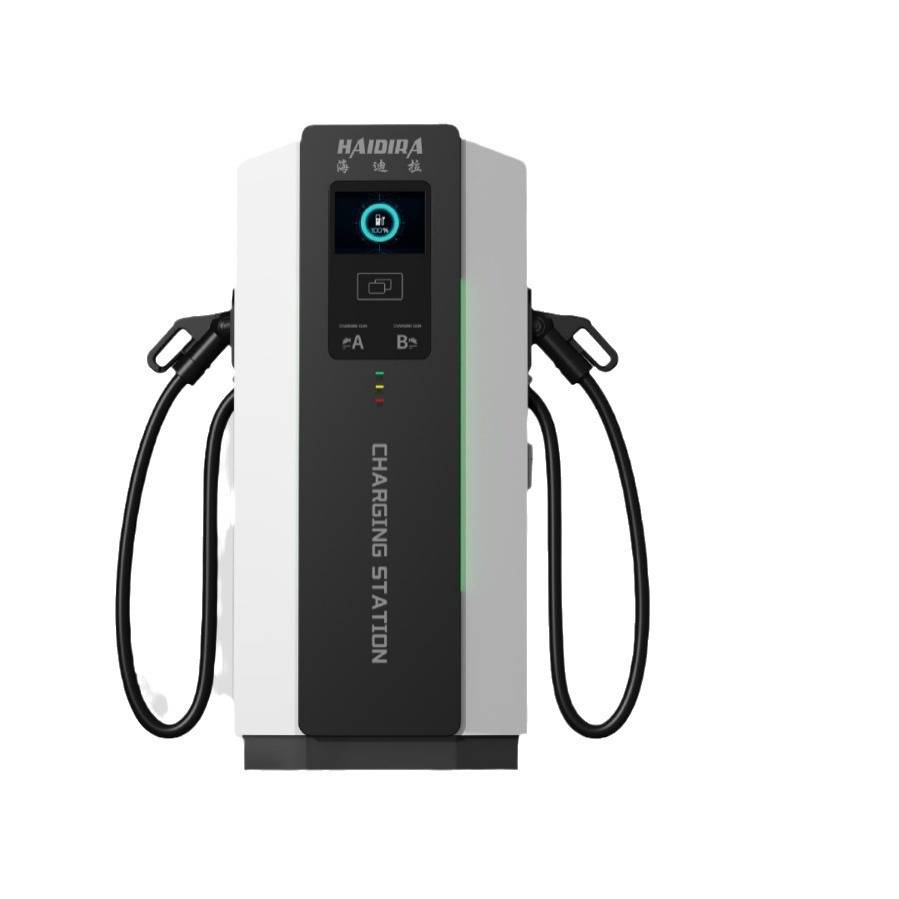

Manufacturer Direct Sales Tesla New Energy Electric Vehicle Universal DC 180kW Dual-gun Charging Pile Commercial Fast Charger
Anhui Haidira Electric Technology Co., Ltd.

Off-Grid Fuel Cell Supercharging Station (180kW Configuration)
Shanghai REFIRE Group Limited
Quick-Change Single-Seat Control Valve / Quick-Change High-Pressure Single-Seat Control Valve
Beijing Consen Automation Technology Co., Ltd.
Industrial and Commercial Point-Type Gas Detector
Jinan Benan Technology Development Co., Ltd.
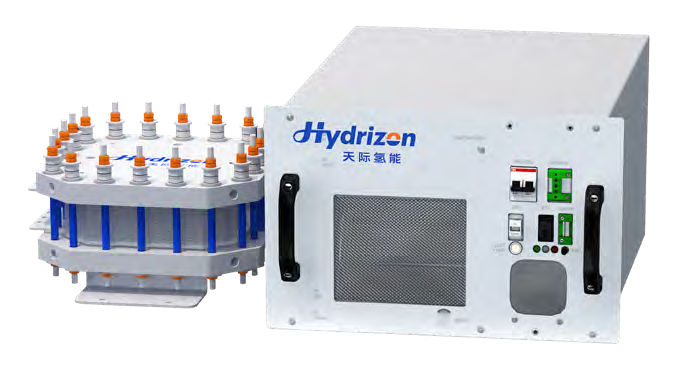
HI-Pro Green Hydrogen High-efficiency Production System-HI-PRO-AEM
Hydrizon Technology (Beijing) Co., Ltd.