National Trust and United Utilities launch two-year leaky dam flood prevention plan
en.Wedoany.com Reported - The National Trust and United Utilities have initiated a two-year natural flood management project on the moorland and farmland above Stubbins Estate in Lancashire, installing a series of "leaky dams" to slow runoff into the River Irwell.
The project began this summer in the Upper Irwell catchment area below Holcombe Moor in the West Pennine Moors. The team plans to test four different types of small permeable barriers on moorland, woodland, and agricultural land. During heavy rainfall, these structures temporarily intercept or slow surface water, promoting upstream infiltration and temporary storage, rather than allowing water to rapidly flow into drains, sewers, and rivers.
The partners stated that these measures aim to reduce the risk of downstream flash flooding and alleviate pressure on sewer networks during intense rainfall. They also anticipate co-benefits, such as improving upland habitats, increasing biodiversity and carbon storage, and enhancing resilience against wildfires. The plan builds on previous peatland restoration and natural flood management work carried out on Holcombe Moor.
The project will be monitored before and after construction to understand changes in runoff, river flow, and broader environmental impacts. The National Trust and United Utilities will collaborate with researchers from the University of Liverpool and the University of Manchester to analyze data and assess long-term effects, providing insights for similar projects across the UK. The initiative is funded by United Utilities' Rainwater Management Fund and supported by the Environment Agency and Natural England.
In recent years, natural flood management has become increasingly common in northern England as climate change increases the frequency of heavy rainfall. The National Trust noted that land use and farming communities in upland catchments have become key partners in other similar projects, with compensation and consultation arrangements often forming part of project design. Monitoring at Stubbins will aim to determine how different types of dams perform across various landscape features, such as moorland, woodland, and pasture.
Nik Taylor, National Trust Area Ranger, stated that leaky dams are part of broader efforts to mitigate climate change, reduce flooding, support agriculture, and improve biodiversity and habitats across moorland, farmland, and woodland. By partnering with United Utilities and sharing time and knowledge, they aim to make a difference for nature, downstream communities, businesses, tenants, and commoners.
Marianne Ridley, Rainwater Management Insights Manager at United Utilities, noted that these leaky dams hold rainwater in the uplands for longer, allowing woodlands and moorlands to function more naturally like sponges. Slowing water flow reduces flood risk for downstream communities and enhances the resilience of United Utilities' operational network. By retaining moisture in the land for longer periods, it also creates habitats for a variety of plants and animals to thrive, improves water quality by trapping sediment and reducing erosion, and helps streams and rivers flow more naturally. This project exemplifies the many benefits of a collaborative, catchment-wide approach, offering valuable opportunities to share expertise, test new solutions, and understand best practices.
Related Products


300mm Segment Type Countdown Traffic Light (Core Type)
Yangzhou FAMA Intelligent Equipment Co., Ltd.
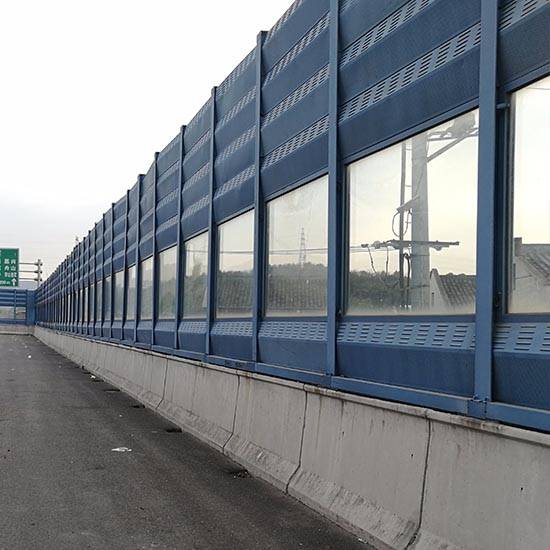
Metal sound barriers that can reduce the transmission of road noise
Hebei Jinbiao Construction Materials Tech Corp., Ltd.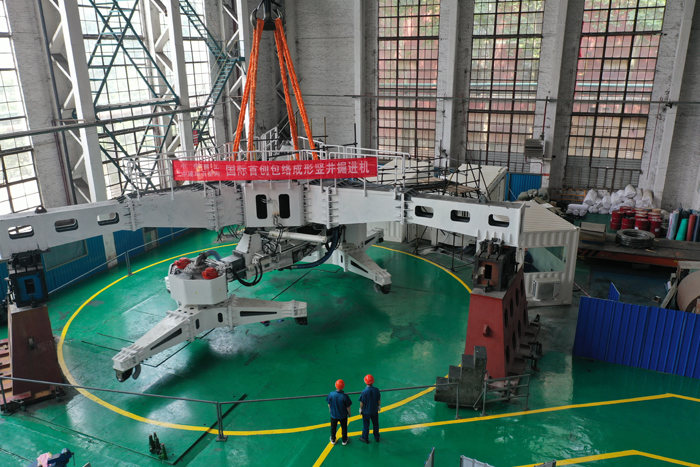
CITIC Heavy Industries Tunneling Equipment Tunnel Engineering Shield Machine
CITIC Heavy Industries Co., Ltd.



Dual-curved Arm Rock Drilling Trolley RSD200D
Chengdu Ruilong Machinery Manufacturing Co., Ltd.

Acoustic Mineral Fiber Ceiling Tile 595x595x12mm
Shanxi Pano Trading Co., Ltd