Tohoku University Develops COF-Graphene Hybrid Material to Boost Lithium-Sulfur Battery Performance
en.Wedoany.com Reported - A research team from Tohoku University and its collaborating institutions has developed a novel molecular engineering material aimed at addressing the long-standing polysulfide shuttle effect in lithium-sulfur batteries, advancing the technology one step closer to commercialization.
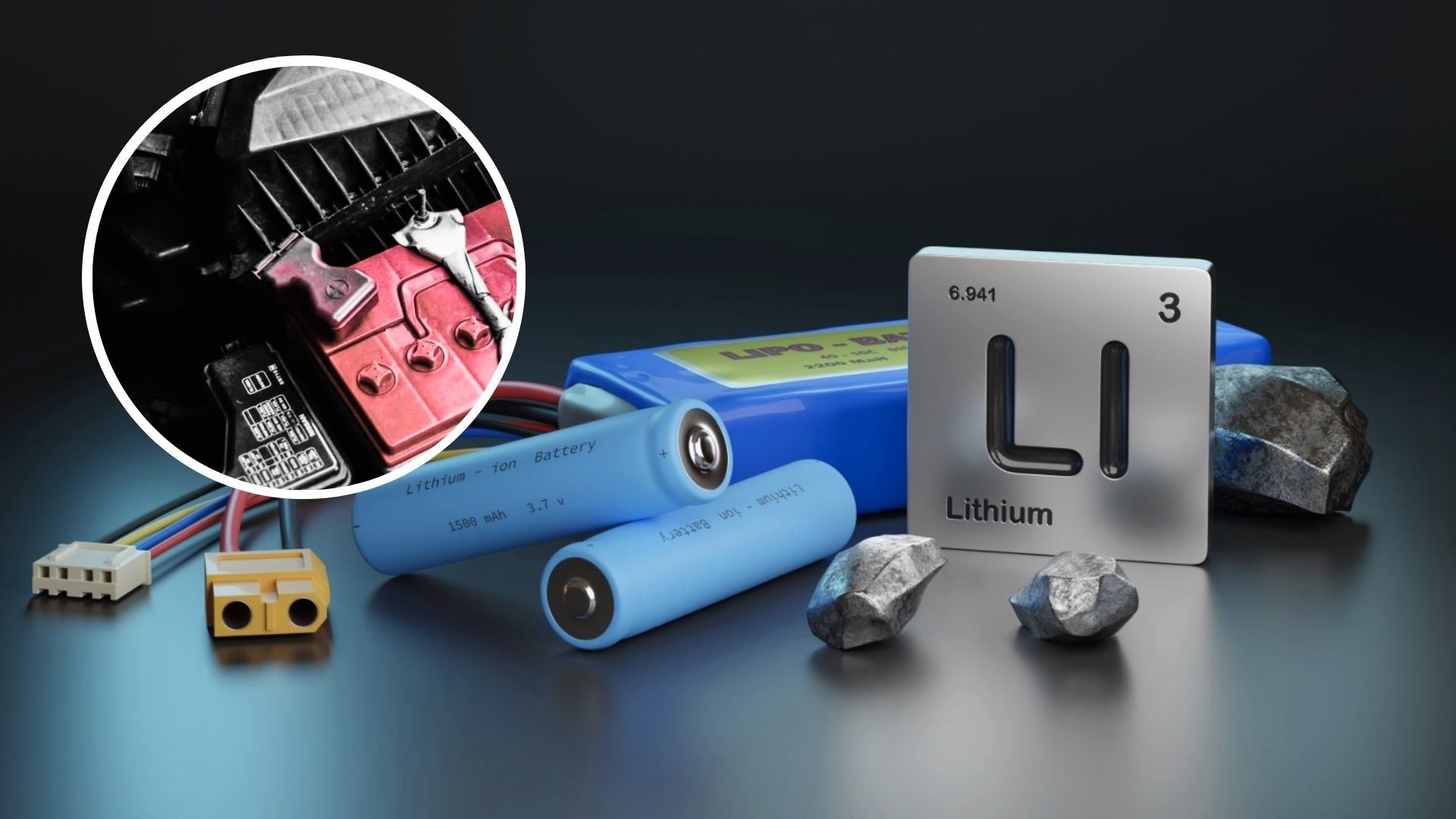
Lithium-sulfur batteries offer high theoretical energy density and low cost, but during operation, soluble lithium polysulfides migrate from the sulfur cathode to the lithium anode, leading to active material loss, side reactions, self-discharge, and rapid capacity degradation. This shuttle effect stems from the inherent chemical reactions, and previous attempts at physical barrier methods often compromised battery performance.
To address this challenge, the team created a tetrathiafulvalene-crown ether covalent organic framework (COF) named TUS-44 and combined it with conductive graphene to form a TUS-44@G functional layer. This framework contains imine nitrogen, crown ether oxygen, and sulfur-rich tetrathiafulvalene sites, providing hierarchical interaction sites for lithium polysulfides, while the graphene component offers efficient electron transport pathways. The team aimed to design an interlayer that not only blocks polysulfides but also actively manages their reaction pathways.
In battery tests, cells equipped with the TUS-44@G layer demonstrated high reversible capacity, reaching 1455.7 mAh g⁻¹ at a current density of 0.2 A g⁻¹, maintaining a rate capability of 773 mAh g⁻¹ at 10 A g⁻¹, and exhibiting a capacity decay of only 0.034% per cycle after 1000 cycles at 5 A g⁻¹. Lithium-sulfur pouch cells using the same interlayer achieved an initial energy density of approximately 674 Wh kg⁻¹ at 0.05 A g⁻¹.
Researchers stated that COF materials can be constructed with molecular-level precision, and their periodically arranged pores allow programmable control over size, chemical environment, and electronic properties, enabling simultaneous capture, conduction, and catalysis of sulfur species. Saikat Das, Associate Professor at the Institute of Multidisciplinary Research for Advanced Materials at Tohoku University, explained that the team aimed to design an interlayer that actively manages the reaction pathways of polysulfides. Yuichi Negishi, Professor at Tohoku University, noted that this research demonstrates the potential of reticular chemistry to program battery interfaces at the molecular level, and the TUS-44@G design, by unifying polysulfide immobilization and catalytic sulfur conversion, provides a pathway toward lightweight, durable, high-rate lithium-sulfur batteries.
Related Products


Prefabricated Houses and Electrical Energy Boxes
Chengdu Ruilong Machinery Manufacturing Co., Ltd.
Microcomputer Protection and Substation Automation
Beijing Agent Devote Power Technology Development Co., Ltd.
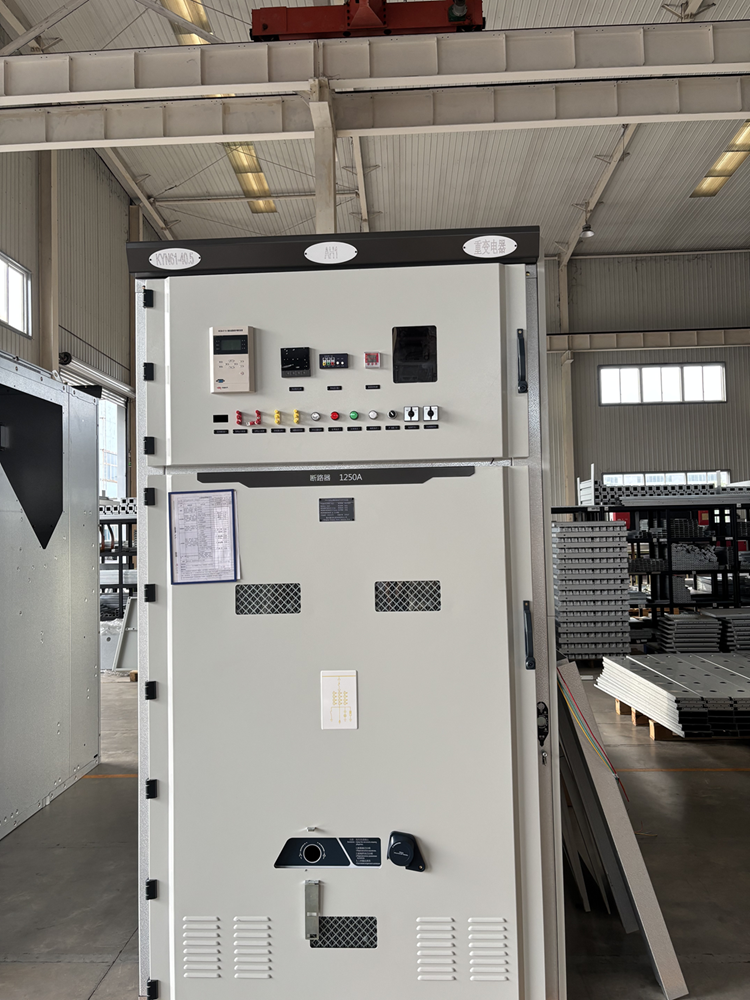
KYN61-40.5 Indoor AC Metal-clad Removable Switchgear
Chongqing Transformer Co., Ltd.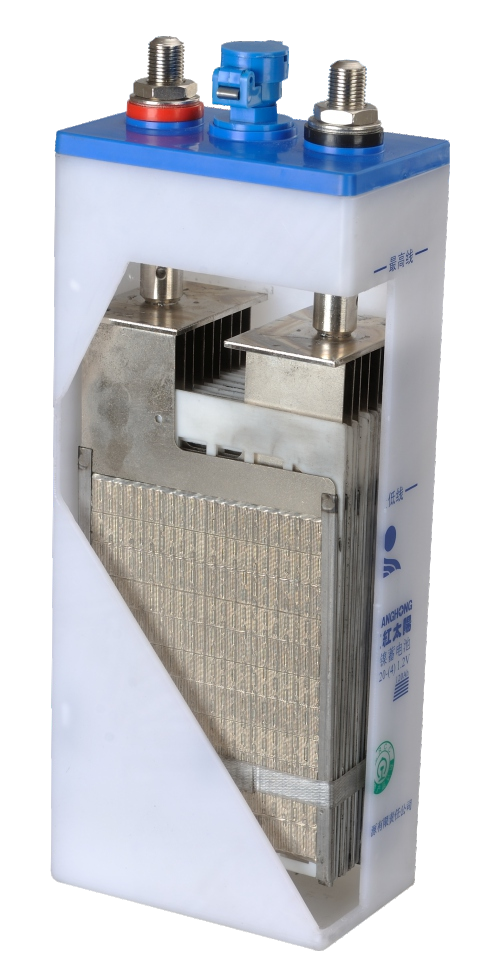

"Shunyi 1600" Deep-submerging Bottom-sitting Multi-functional Wind Power Engineering Vessel
Zhengli Offshore Engineering Co., Ltd.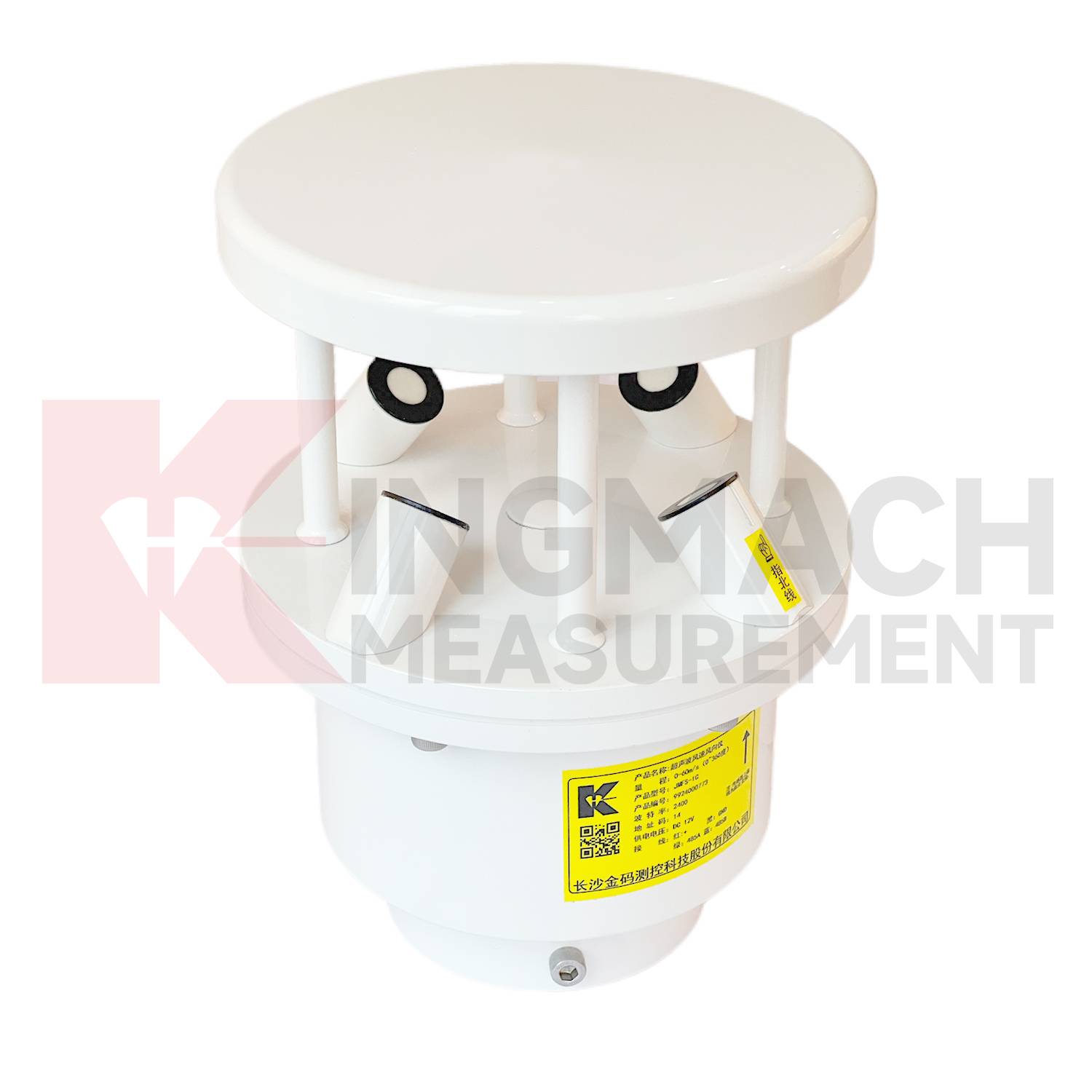
Ultrasonic Wind Speed and Direction Instrument
Kingmach Measurement & Monitoring Technology Co., Ltd.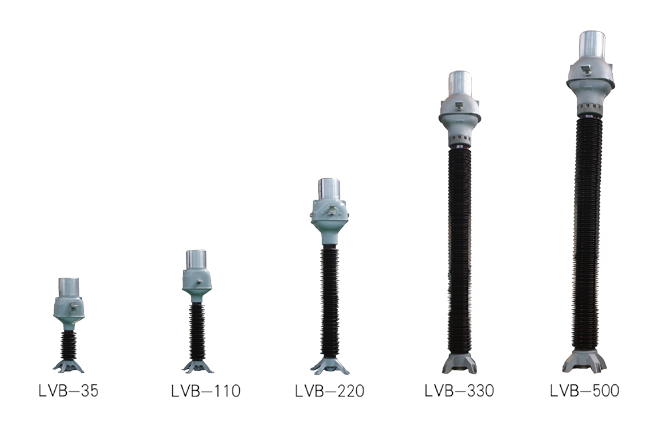
LVB Series 35-500kV Oil-immersed Inverted Current Transformer
Shandong Taikai Instrument Transformer Co., Ltd.
Pneumatic high-pressure wear-resistant ball valve
Zhejiang Deca Control Valve Meter Co., Ltd.