Philippines' Citicore Advances Nearly 200 MW Agri-Solar Project to Commercial Operation
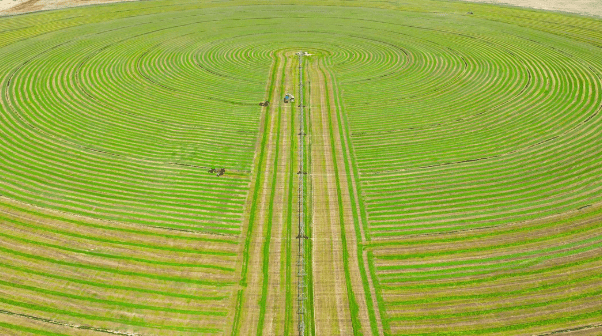
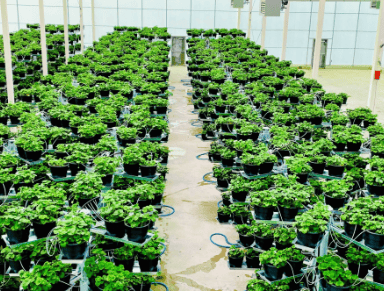
en.Wedoany.com Reported - Citicore Renewable Energy Corporation's nearly 200-megawatt agri-solar project in Batangas province, Philippines, combines utility-scale solar power generation with crop production and battery energy storage, becoming one of the first such projects in Southeast Asia to advance from the pilot stage to commercial operation.
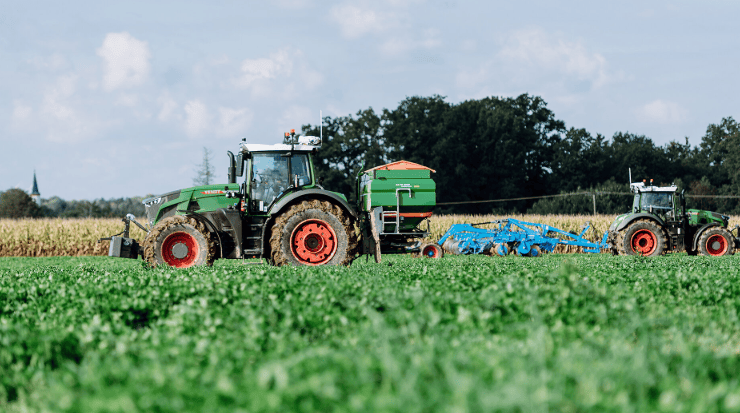
Utility-scale solar has long faced criticism for competing with agriculture for land. In the Philippines, where arable land is limited and economically valuable, this conflict has intensified as renewable energy targets advance. Agri-solar offers a solution by allowing solar panels to generate electricity while crops continue to be grown beneath or between the arrays, enabling dual use of land.
Years before the Batangas project launched, the company initiated small-scale trials at a solar site in Tarlac province to test the feasibility of farming within an operational solar facility. The trials focused on growing shade-tolerant, high-value crops such as turmeric under the solar panels, studying crop performance, and the effects of partial shading from panels on soil conditions, moisture retention, and ground temperature changes. The trials aimed to verify whether crop yields could be commercially viable, whether the altered microclimate benefited plant growth, and whether agricultural activities could coexist with the daily operation and maintenance of the power station.
The results from the Tarlac trials provided critical data for subsequent projects. These experiences helped determine the spacing, installation height, and crop selection for the solar panels at the Batangas facility. Despite growing global interest in agri-solar, commercial projects in Southeast Asia remain scarce, with most still at the research farm or demonstration site stage. The Philippines has taken the lead in deploying the concept to utility scale in the region, providing operational data for other developers.
The Philippines has set ambitious renewable energy targets, but securing land for large-scale solar development is becoming increasingly difficult. Agri-solar offers a way to reduce land-use conflicts while allowing rural communities to continue farming. Long-term crop productivity, water requirements, maintenance costs, and project economics will ultimately determine the extent of this model's adoption. Different crops respond differently to shading, requiring site-specific designs. Agri-solar in the Philippines has moved from a research concept to commercial-scale operation, providing a reference for future solar projects that do not encroach on farmland.
Related Products
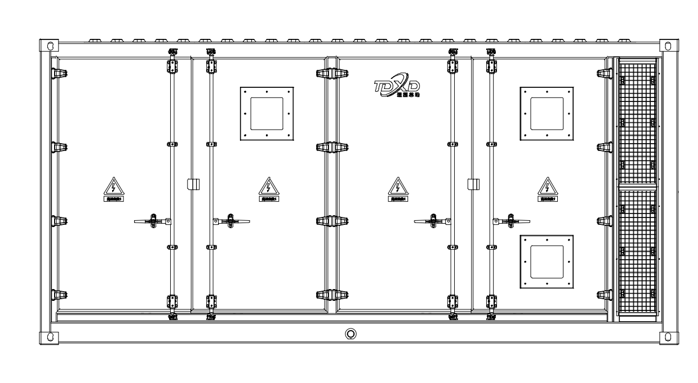

5012kWh DC Energy Storage System TD-EES-5012kWh
Suzhou Tongding Xindong Energy Storage Technology Co., Ltd.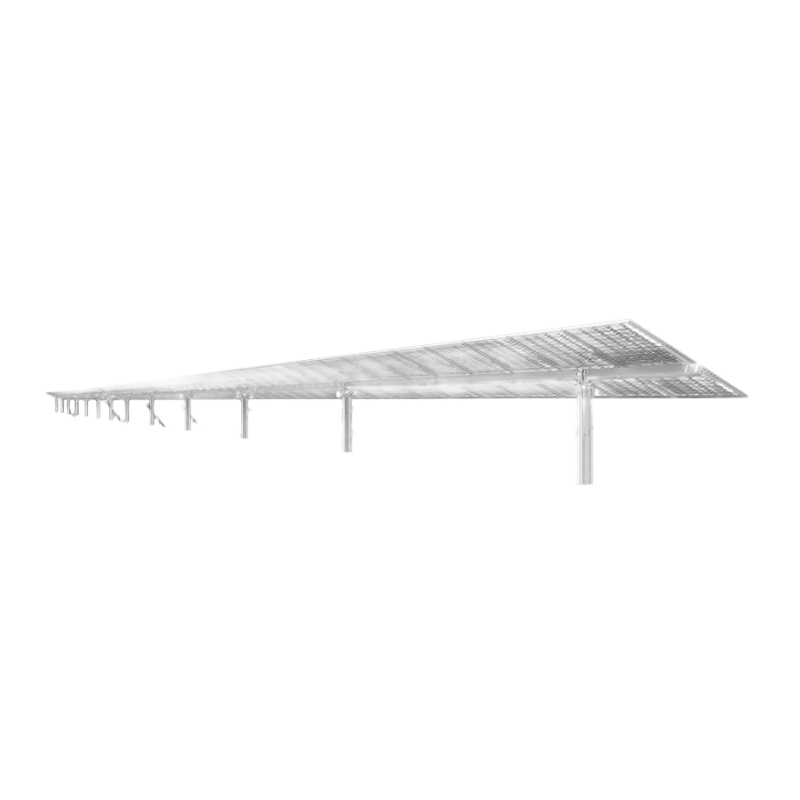
TAI Slew-drive Single-axis Independent 1P Tracking Bracket System
ANTAI TECHNOLOGY CO., LTD.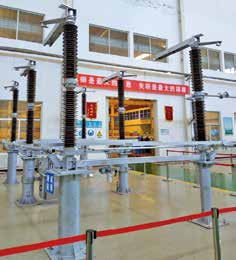
GW4-40.5/72.5/126/145/170/252/363/420 Series Double-column Horizontal Rotary High-voltage AC Disconnect Switch
SHANDONG TAIKAI DISCONNECTORS CO., LTD.

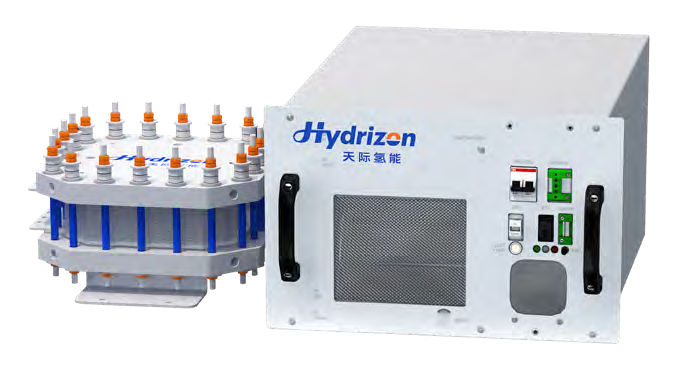
HI-Pro Green Hydrogen High-efficiency Production System-HI-PRO-AEM
Hydrizon Technology (Beijing) Co., Ltd.
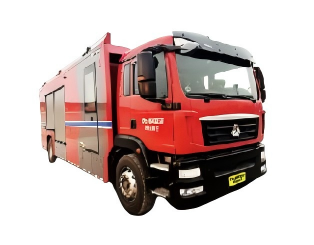
Modular Multifunctional Water Supply and Drainage Vehicle (18T)
Changsha Dewater Machinery Technology Co., Ltd.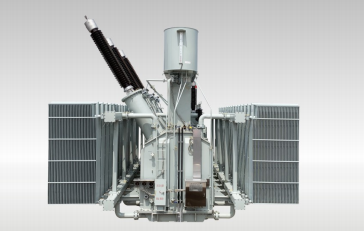
220kV and Below Voltage Level Energy-saving Oil-immersed Power Transformers
FuZhou TianYu Electric Co., Ltd.