Ghana's IMANI Think Tank Vice Chair Suggests Adopting Dutch Technology for Wetland Development
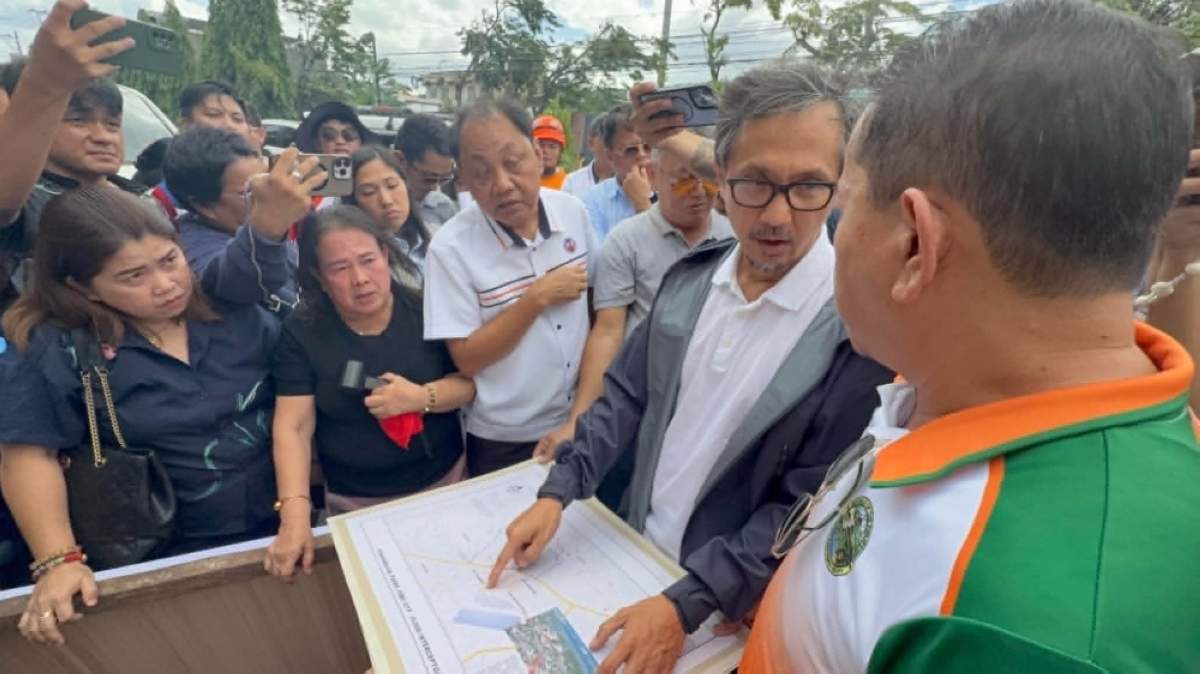
en.Wedoany.com Reported - Kofi Bentil, Vice Chair of Ghanaian policy think tank IMANI Africa, stated on July 4, 2026, that Ghana should adopt Dutch technological solutions for managing wetlands and addressing flood disasters. Bentil made these remarks during an interview on TV3's KeyPoints program following severe flooding in Accra.
Bentil noted that Ghana could responsibly develop wetlands by adopting technically sound planning and engineering approaches. Citing the Netherlands as an example, he argued that development and water resource management can coexist. "Google how the Dutch tamed the sea. Go to YouTube and search 'how the Dutch tamed the sea'; there are many videos there," Bentil said. He believes the core issue lies not in development itself, but in the manner of development. "In the Netherlands, they reclaimed land from the sea and built cities on it. There is a proven method for this," Bentil added. "Even if you want to develop in these areas, there are compatible uses; if you want to go beyond compatible uses for other forms of development, there are also feasible ways. It works."
IMANI Africa is a leading policy think tank in Ghana, founded in 2006, dedicated to promoting good governance and economic development across the African continent through research and advocacy. Kofi Bentil is a prominent Ghanaian lawyer, policy analyst, and business strategy lecturer, teaching at Ashesi University and the University of Ghana Business School.
Bentil also criticized the Ghanaian government's reliance solely on dredging the Odaw River to manage floods. "The second reason is the failure or refusal to adopt technically sound solutions," he said. Bentil explained that rivers naturally deposit silt as they flow towards the sea, and repeated dredging is ineffective if the underlying environmental conditions remain unchanged. "You dredge the Odaw River today, and it will silt up again next rainy season. As long as environmental degradation and siltation persist, silt will continue to be carried into the river," he said.
Bentil also pointed out that merely demolishing structures along waterways does not solve the flood problem. He stated that development activities permanently alter the characteristics of the land, requiring additional technical remediation efforts. "For me, when people talk about 'we are going to demolish houses,' that is not the solution. We have been doing this all along, and it has never worked," Bentil said. He explained that once land is developed, simply removing buildings does not restore it to its original state. "When they built in those areas, they changed the nature of the space, they changed the nature of the soil. If you demolish the buildings, the soil has already been altered," Bentil said. "In addition to demolition, land reclamation must be carried out, using technically sound solutions."
Bentil attributed the root cause of recurrent flooding in Accra to uncontrolled urbanization and inaction by various levels of government. He noted that state institutions have the legal authority to regulate development but do not consistently exercise it. "Development is handled at the local level. You acquire the land, but what is built on it is a national function. They have the legal power to intervene, and when they fail, that is where they fail," Bentil said. He argued that accountability ultimately traces back to the highest levels of government.
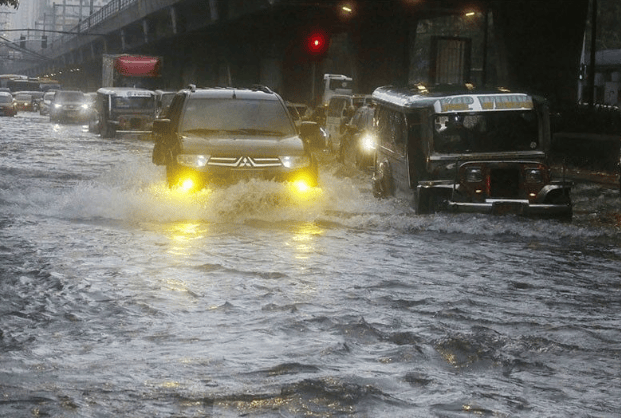
The Greater Accra Region experienced severe flooding on June 28, 2026, resulting in 10 deaths and displacing 7,761 households. Bentil's remarks come amid widespread discussions in Ghana between the government and the public on how to effectively manage urban flooding.
Related Products

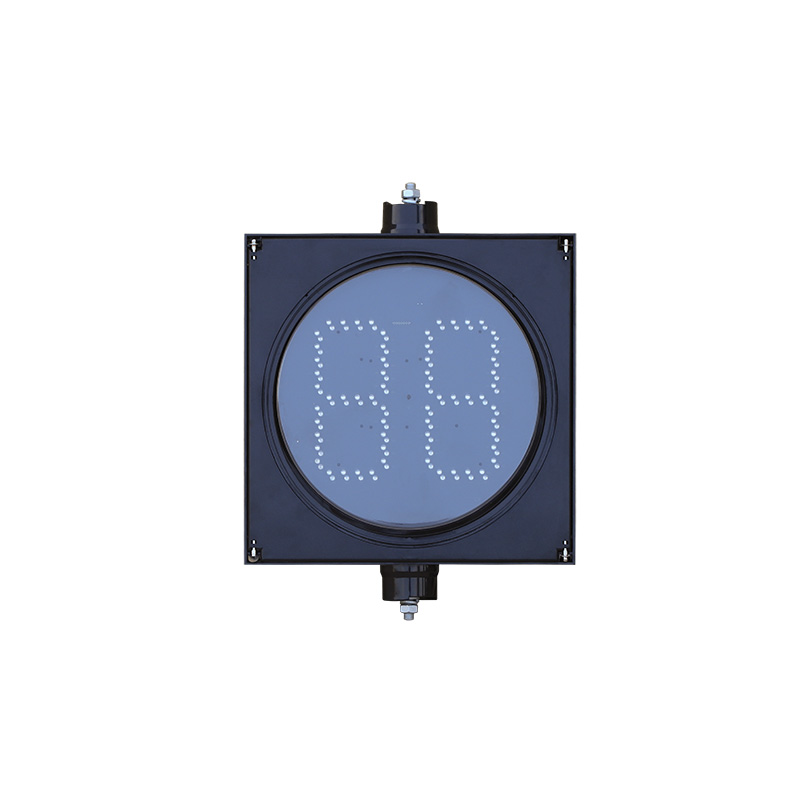
300mm Segment Type Countdown Traffic Light (Core Type)
Yangzhou FAMA Intelligent Equipment Co., Ltd.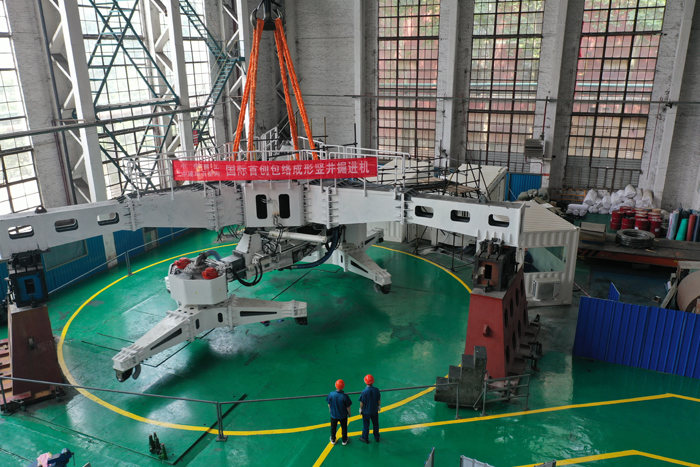
CITIC Heavy Industries Tunneling Equipment Tunnel Engineering Shield Machine
CITIC Heavy Industries Co., Ltd.


Industrial and Commercial Point-Type Gas Detector
Jinan Benan Technology Development Co., Ltd.
ERW Welded Pipe (Black Pipe and Hot-dip Galvanized Steel Pipe)
Handan Zhengda Steel Pipe Co., Ltd.
RISITA explosion-proof air conditioning
Guangdong RISITA Air Conditioning Equipment Co.,Ltd.