Spain's Adif completes first phase deployment of 254 charging points at 21 stations
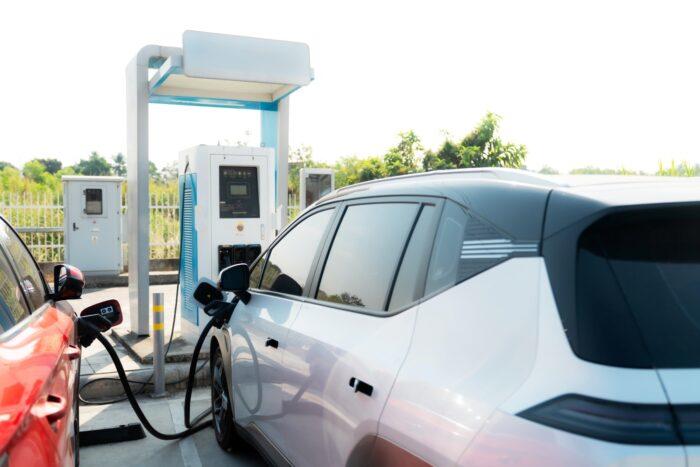
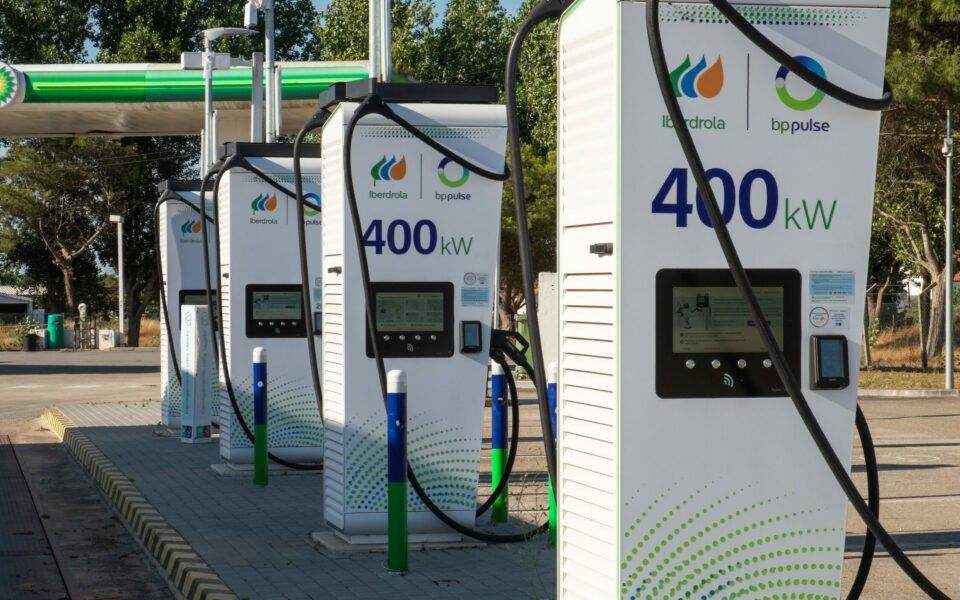
en.Wedoany.com Reported - Spain's national railway infrastructure manager (Adif) and its high-speed rail subsidiary (Adif Alta Velocidad, AV) have completed the first phase of the station parking lot electrification plan, deploying 254 charging points at 21 stations. These charging points are open to travelers and the public, and payment can be made via Repsol's Waylet app or by bank card through the integrated TPV terminals at the charging points. The equipment has been adapted to the site characteristics and capacity of each station.
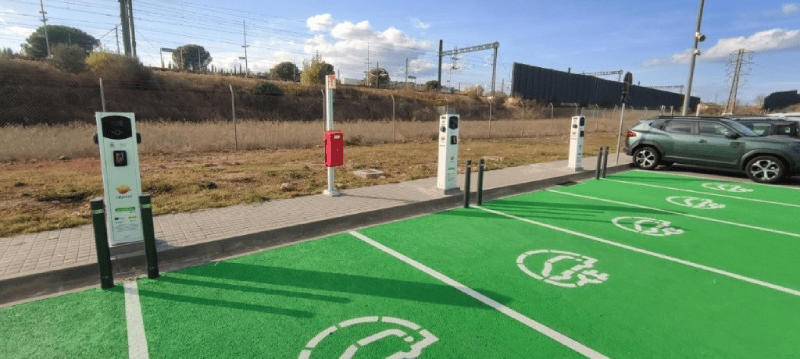
Stations with charging points already in operation include: Alcázar de San Juan (Ciudad Real), Antequera Santa Ana (Málaga), Ferrol (A Coruña), Figueres and Figueres-Vilafant (Girona), Girona, Huelva, Lleida Pirineus, Logroño, Medina del Campo AV (Valladolid), Monforte de Lemos (Lugo), O Porriño (Pontevedra), Pamplona, Puente Genil-Herrera (Córdoba), Puertollano (Ciudad Real), Ronda (Málaga), Santander, Sevilla Virgen del Rocío, Toledo, Tudela de Navarra (Navarra), and Zaragoza Delicias.
This deployment is part of a larger initiative to install approximately 900 charging points in parking lots at over 60 stations on the Adif and Adif AV networks. The remaining facilities will be gradually installed in new phases during 2026 and 2027. The project includes scheme design, equipment supply, facility construction, and two years of operation and maintenance, with a total investment exceeding €18.2 million.
Adif and Adif AV are incorporating this initiative into the framework of enhancing station services and improving rail access and egress travel, aiming to transform stations into sustainable, smart, and connected mobility hubs. This initiative is part of the Adif and Adif AV 2018-2030 Climate Change Response Plan, which includes promoting sustainable mobility and electric mobility to decarbonize economic activities. This deployment is also part of the Ecomilla Plan, aimed at optimizing first and last mile travel, improving energy efficiency, and achieving zero emissions, including the development of sustainable mobility zones for zero-emission vehicles, shared vehicles, and clean transport modes. The project receives European financing through the Recovery, Transformation and Resilience Plan, funded by the European Union-NextGenerationEU, contributing to Sustainable Development Goals 7 (Affordable and Clean Energy), 9 (Industry, Innovation and Infrastructure), 11 (Sustainable Cities and Communities), and 13 (Climate Action).
Related Products


Prefabricated Houses and Electrical Energy Boxes
Chengdu Ruilong Machinery Manufacturing Co., Ltd.
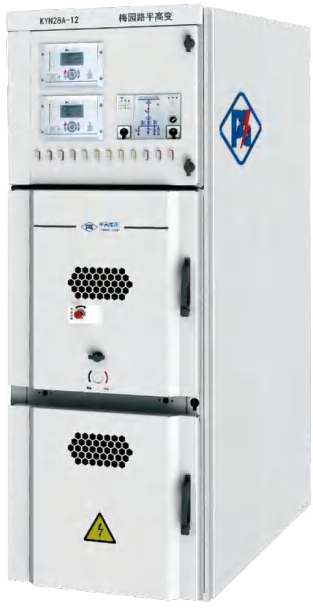
KYN28A-12 Metal Armored Removable Switchgear
Tianjin Ping Gao Intelligent Electric Co., Ltd.
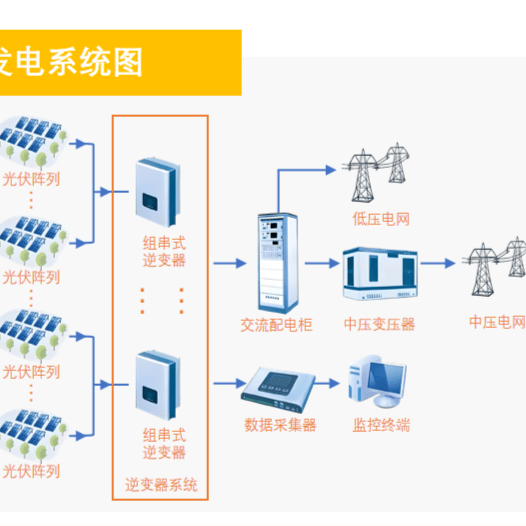
Photovoltaic and Wind Power Generation Technology
Beijing Boqi Electric Power SCI-TECH Co., Ltd.


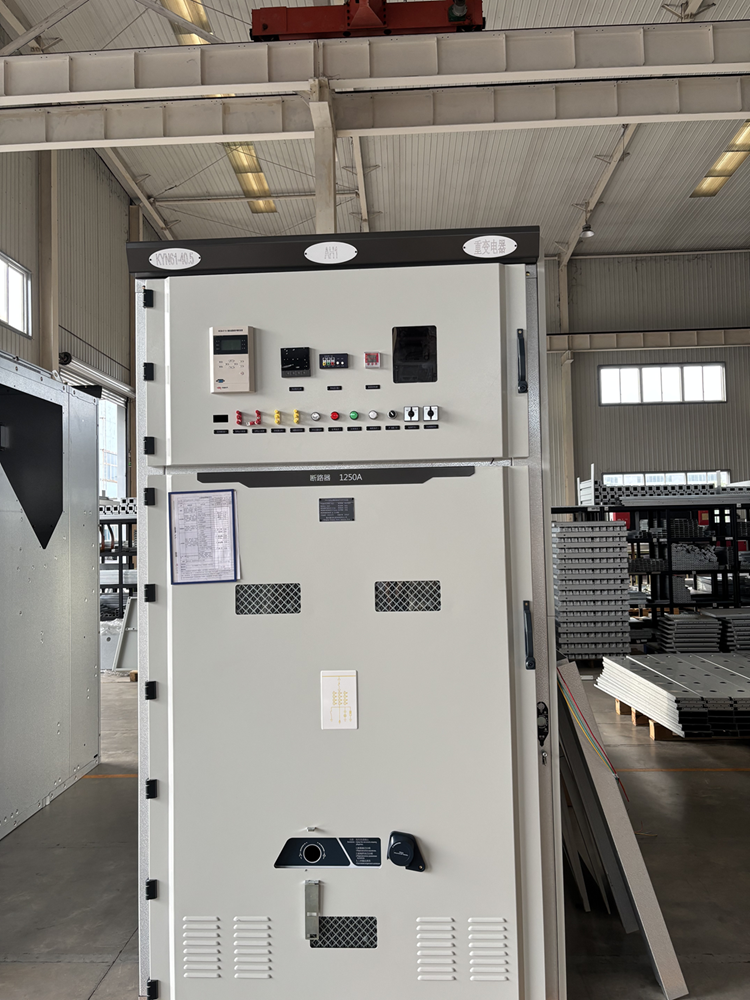
KYN61-40.5 Indoor AC Metal-clad Removable Switchgear
Chongqing Transformer Co., Ltd.
CITIC Heavy Industries Offshore Wind Power Equipment Hydraulic Pile Hammer
CITIC Heavy Industries Co., Ltd.