en.Wedoany.com Reported - As of the week ending July 3, 2026, iron ore futures continued their decline, with the Dalian Commodity Exchange (DCE) September delivery contract closing at 734 yuan/ton (approximately $108.28/ton) on Friday, down 1.74% for the day and 0.67% for the week. The Singapore Exchange August benchmark iron ore contract also moved lower, closing at $97.8/ton, a decline of 0.46%. The core driver of this downturn stems from China's port iron ore inventories climbing to historical highs, intensifying market concerns over supply surplus.
According to industry data, as of June 26, 2026, imported iron ore inventory at China's 45 major ports reached 167.9394 million tons, an increase of 2.3657 million tons month-on-month; total inventory at 47 ports exceeded 173.1126 million tons, continuing a slight accumulation and setting a historical record for the same period in previous years. Since the beginning of the year, driven by sustained high shipments from overseas mines and limited domestic demand release, imported ore inventory at 45 ports has risen from approximately 159 million tons at the start of the year, briefly hitting a historical peak of 171 million tons in mid-March. Ample inventory has effectively alleviated supply concerns for steel mills but has also persistently suppressed the potential for price recovery.
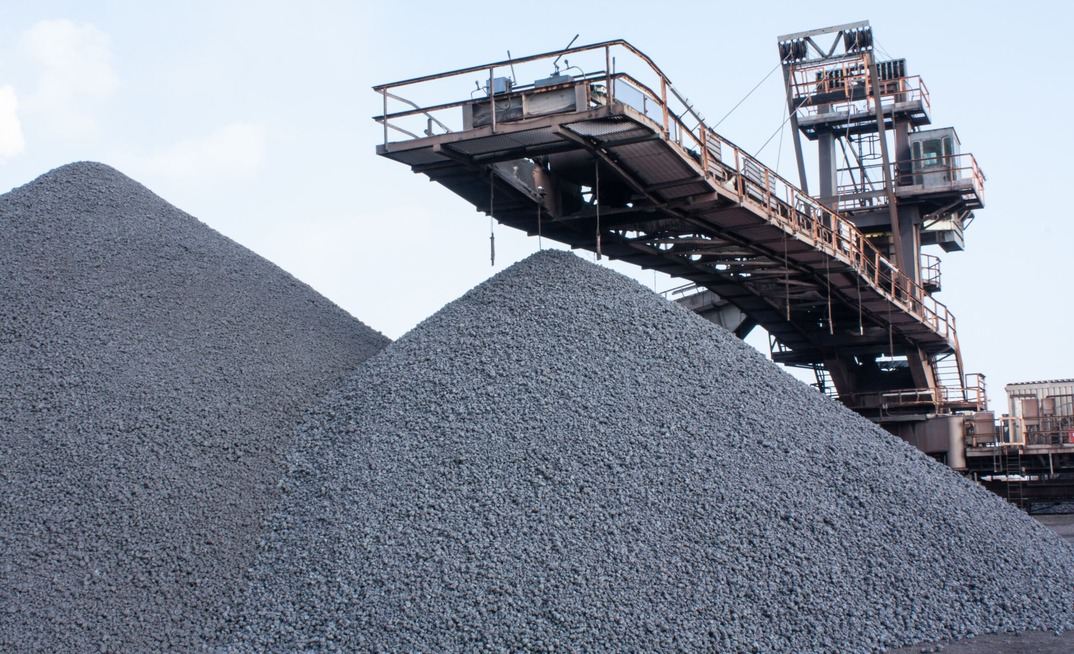
Behind the high inventory lies dual pressure from both supply and demand sides. On the supply side, during the week of June 22 to 28, 2026, new iron ore arrivals at 47 sample ports increased by 1.46 million tons (up 5.4%) week-on-week, totaling 28.79 million tons. Shipments from major global mines remained high, continuously delivering substantial spot volumes to Chinese ports. On the demand side, China's steel industry is entering a traditional consumption off-season, with hot and rainy weather constraining construction progress and slowing the release of end-user demand for steel. According to Mysteel data, iron ore has fallen for seven consecutive weeks. Meanwhile, declining global seaborne freight rates have further reduced import costs, providing additional room for price declines.
Despite overall market pressure, some industry institutions expect the domestic iron ore market to show a volatile pattern next week, though the decline may narrow compared to imported ore. In the medium to long term, China continues to advance its mineral resource security strategy by enhancing the value of domestic ore, increasing scrap steel substitution, and diversifying import sources to reduce dependence on a few mainstream mining regions. This structural shift will have a profound impact on the long-term pricing logic of iron ore.