Chile's Atacama Desert Solar Power Plant Completed
en.Wedoany.com Reported - Chile has completed the "Sol del Desierto" solar power plant in the Atacama Desert, installing nearly 600,000 solar panels. During development, the project unexpectedly uncovered a 120-year-old industrial historical site.
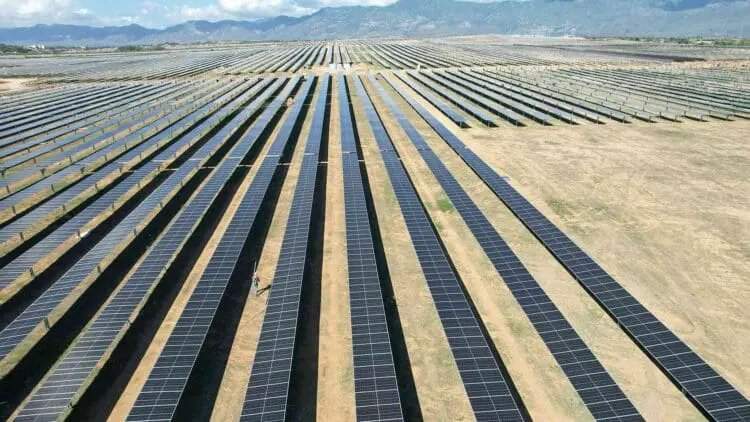
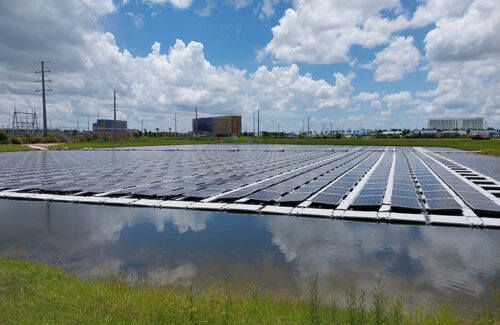
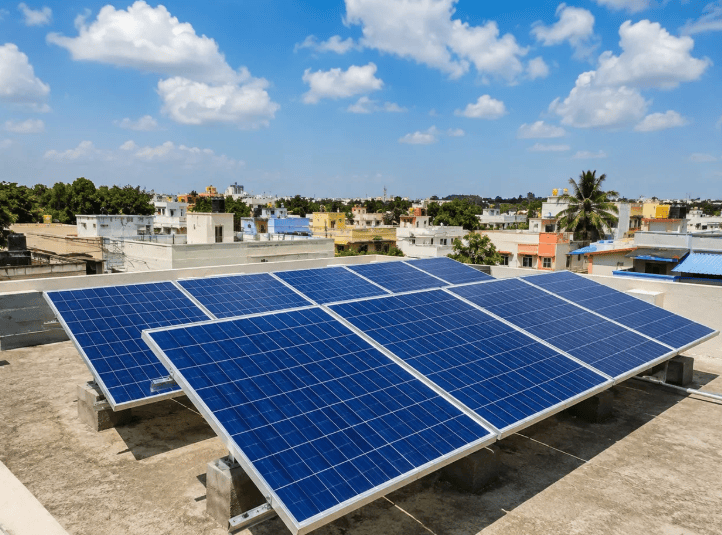
The plant has an installed capacity of 244 megawatts peak (MWp), consisting of 582,930 solar panels using bifacial technology, which can capture both direct sunlight and reflected light from the sand. Built by Atlas Renewable Energy, the project is located in the María Elena municipality of the Antofagasta Region. The plant can generate nearly 714 gigawatt-hours (GWh) of clean electricity annually, meeting the power needs of over 345,000 households and preventing 368,000 tons of carbon dioxide emissions each year. During construction, the proportion of female workers was increased to 15%.
Against the backdrop of the global energy transition, Chile is accelerating the phase-out of coal-fired power. This plant is a key infrastructure project for replacing fossil fuels and preventing grid deficits. The Atacama Desert, with the highest solar radiation levels in the world, is an ideal location for large-scale solar power plants.
During construction, moving desert sand revealed not graves or monuments, but the historic site of Cantón El Toco. A century ago, this area was a transportation hub during the nitrate mining boom. Archaeologists mapped a dense network of wagon trails, old railway lines, and footpaths on site, and discovered 123 historical artifacts made of glass, metal, bone, and stone. The Museo de Antofagasta has officially assumed legal custody of these artifacts.
Additionally, prior to construction, the project safely relocated and monitored local wildlife, particularly lizard populations, prioritizing the protection of the desert ecosystem. This case demonstrates that large-scale renewable energy infrastructure development can proceed while balancing historical cultural heritage and natural ecology.
Related Products


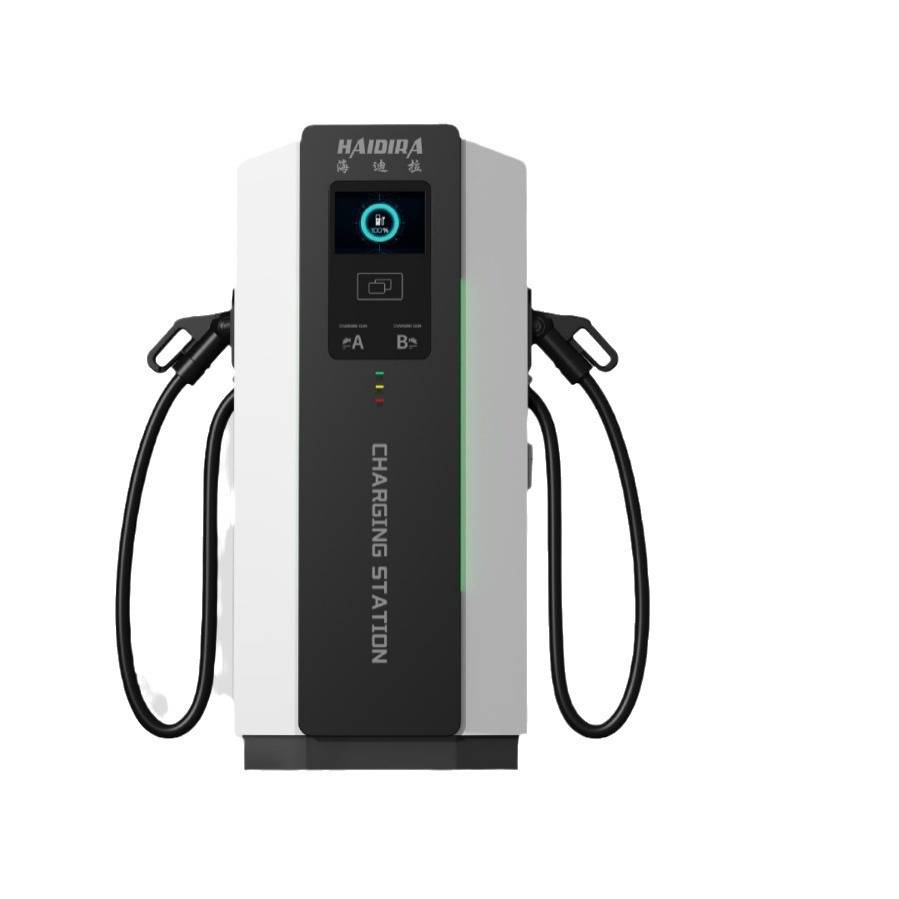
Manufacturer Direct Sales Tesla New Energy Electric Vehicle Universal DC 180kW Dual-gun Charging Pile Commercial Fast Charger
Anhui Haidira Electric Technology Co., Ltd.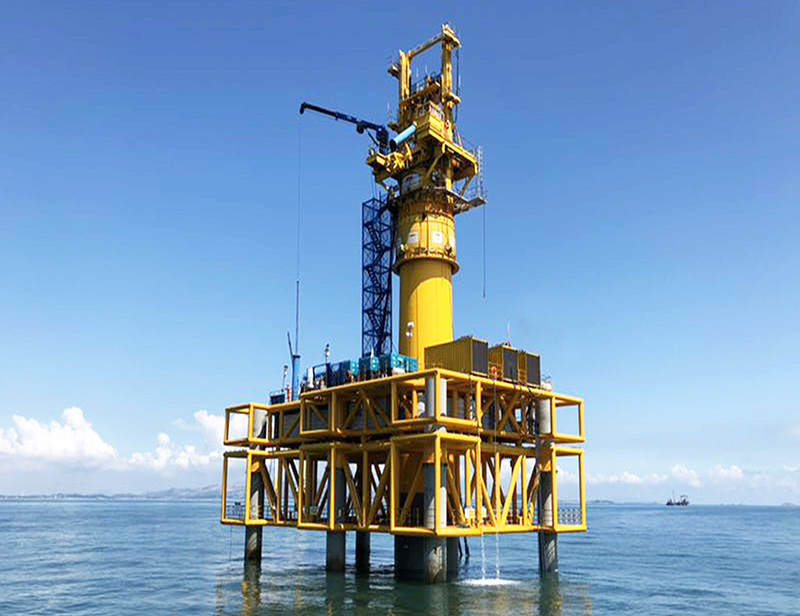
CITIC Heavy Industries Offshore Wind Power Equipment Hydraulic Pile Hammer
CITIC Heavy Industries Co., Ltd.
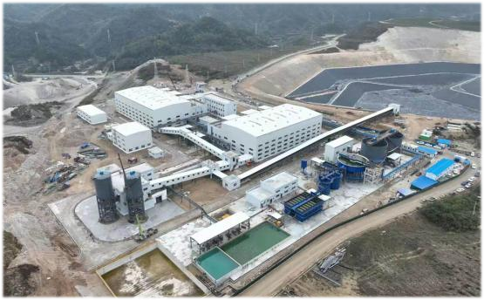
Yingping Mining Section Open-pit Tailings Backfill Treatment of Goaf Ecological Restoration EPC Project
China Bluestar Lehigh Engineering Corporation
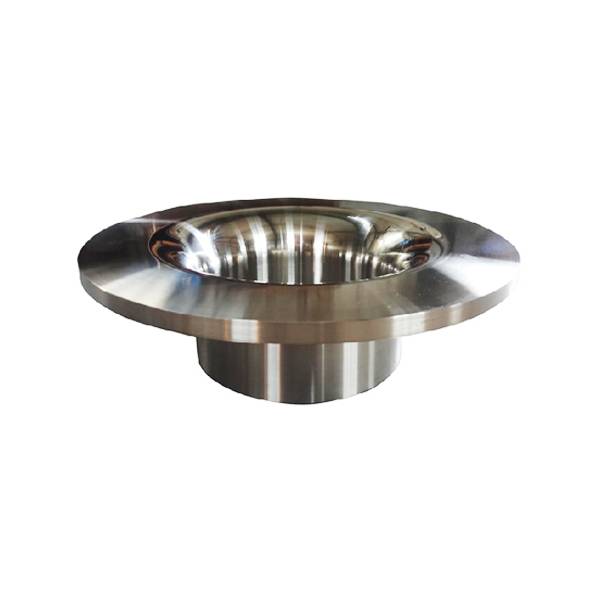
Standard Nozzle Flowmeter
Jinggong Automatic Control Instrument Complete Technology Development Company
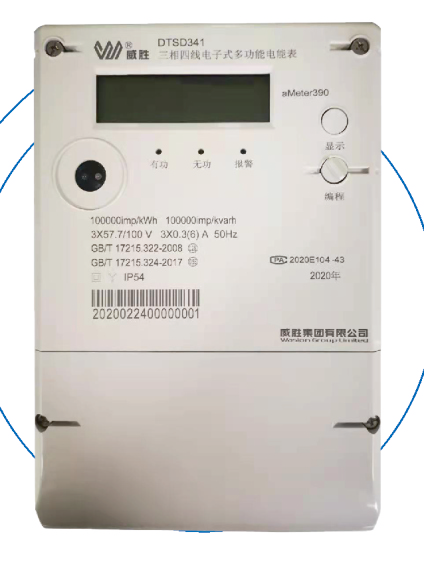
Overseas IEC Gateway Energy Meter - DTSD341/DSSD331-aMeter390
Wasion Group Limited Co., Ltd.