From Field Measurement to Digital Twins: Why Automation Instruments Form the Data Foundation of Smart Factories
en.Wedoany.com Reported - Industrial digitalization is often described through control platforms, industrial networks, artificial intelligence and digital twins. Yet the ability of these technologies to improve production begins with the quality of field data. Automation Instruments measuring pressure, temperature, flow, level, composition, vibration and valve position form the most fundamental connection between a physical process and its digital representation.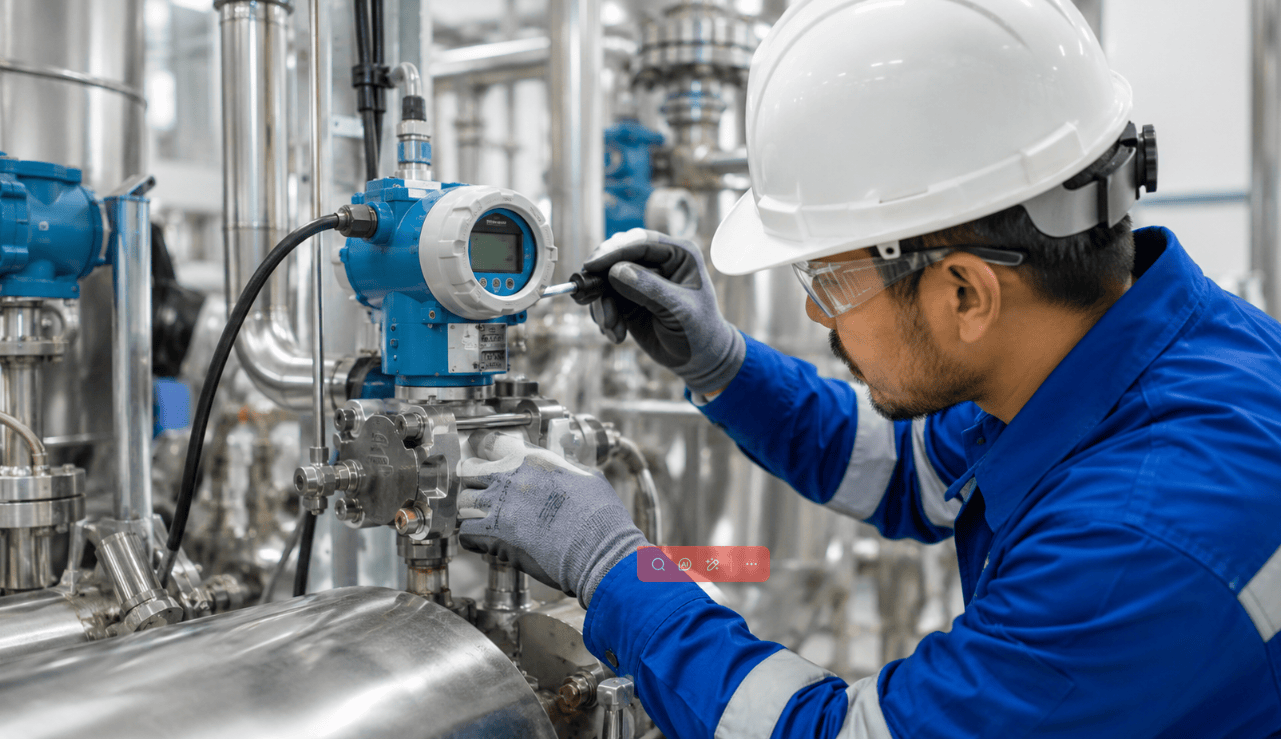
Conventional instruments convert a physical variable into a standardized signal that can be transmitted to a control system. Pressure transmitters use sensing elements to detect process pressure. Thermocouples and resistance temperature detectors convert temperature changes into electrical measurements. Flowmeters may use differential pressure, electromagnetic induction, Coriolis force, ultrasonic transit time or vortex shedding. Each technology observes the process through a different physical principle and therefore has different requirements for fluid properties, installation and maintenance.
The addition of microprocessors, digital communication and onboard diagnostics has transformed many field devices from simple measuring elements into intelligent nodes. A modern transmitter may provide not only the primary process value but also sensor temperature, signal quality, diagnostic codes, accumulated operating time and configuration history. A smart valve positioner may record travel deviation, friction, response time and actuator condition.
This information can help maintenance teams distinguish between process changes and instrument problems. A slowly changing pressure value may be caused by an actual process condition, a blocked impulse line, sensor drift or an electronic fault. A valve that no longer reaches its commanded position may have packing friction, insufficient air pressure, actuator damage or an incorrect calibration. Diagnostics can narrow the investigation before the equipment is removed from service.
Digital twins make trustworthy instrumentation even more important. A digital twin must be updated with operating data so that the virtual representation continues to reflect the physical equipment or process. The U.S. National Institute of Standards and Technology connects the development of manufacturing digital twins with advances in smart sensors, the Industrial Internet of Things, artificial intelligence, modeling and simulation. The model is therefore not independent of the field; it depends on reliable measurements and consistent data exchange.
In many plants, data quality matters more than data volume. Installing more sensors does not automatically improve decisions. A transmitter with an unsuitable range may provide poor resolution during normal operation. A temperature sensor installed in a stagnant pocket may not represent the main process stream. A flowmeter without appropriate upstream conditions may produce a stable but biased reading. Digital systems can amplify these measurement errors by feeding them into optimization and control algorithms.
Installation engineering remains essential. Impulse lines must avoid gas pockets in liquid service and liquid accumulation in gas service. Thermowells require an acceptable balance between response time, mechanical strength and vibration resistance. Flow measurement may depend on pipe condition, velocity profile, conductivity, density or entrained gas. Level instruments must account for foam, vapor, dielectric properties, pressure and changing product density.
Time synchronization is another part of data integrity. Relationships among pressure fluctuations, valve movement, motor current and product quality can only be analyzed correctly when measurements share a reliable time reference. Unsynchronized devices may create a false sequence of events. Common sampling practices, time standards and tag definitions are particularly important in high-speed production, rotating machinery and batch processes.
Instrumentation management is also moving from individual calibration records toward asset-level analysis. Plants can connect instrument tags with process lines, control loops, alarms, work orders, spare parts and historical test results. Comparing drift and failure patterns across similar devices can reveal unsuitable applications, environmental problems or recurring installation defects.
Edge computing brings some analysis closer to the process. Smart devices and gateways can filter noise, identify abnormal patterns and calculate equipment-health indicators before transmitting data to a central platform. This can reduce unnecessary traffic and preserve local monitoring during a network interruption. However, processed values should not completely replace access to critical raw data, configuration records and algorithm versions.
For buyers, intelligence should not be measured by the number of advertised functions. A device must integrate with existing control and asset-management systems. Diagnostic information should be accessible, configuration data should be exportable, firmware should be supported, and software tools should remain available throughout the equipment lifecycle. Proprietary features that cannot be integrated may create future replacement and modernization costs.
The competitive focus of instrumentation is therefore expanding beyond point accuracy. Data trustworthiness, diagnostics, interoperability, time synchronization and lifecycle management are becoming equally important. A smart factory is not created merely by connecting every device to a network. It is created by ensuring that critical measurements are traceable, interpretable and capable of supporting reliable control and operational decisions.
Related Products

Standard Nozzle Flowmeter
Jinggong Automatic Control Instrument Complete Technology Development Company


Pneumatic high-pressure wear-resistant ball valve
Zhejiang Deca Control Valve Meter Co., Ltd.
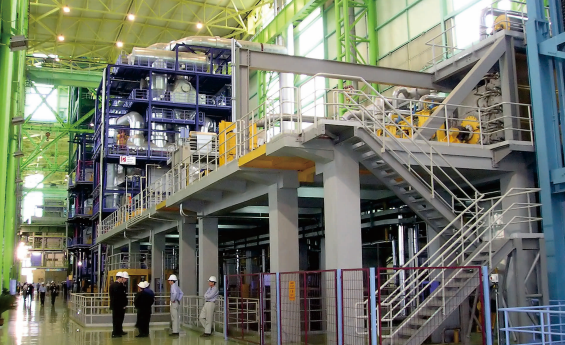
Strip Coating and Plating Production Line Equipment
MCC-SFRE HEAVY INDUSTRY EQUIPMENT CO., LTD.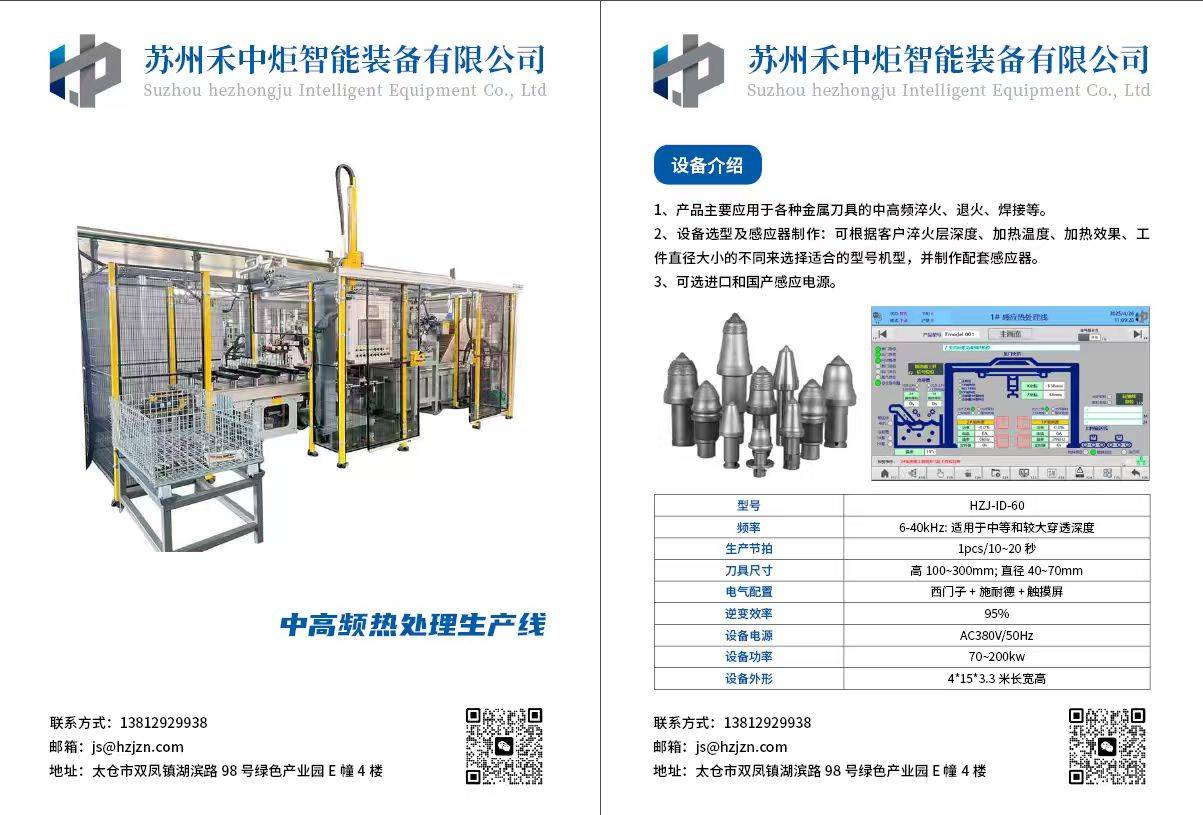
Excavator Bucket Teeth Heat Treatment Production Line
Suzhou Hezhongju Intelligent Equipment Co., Ltd.
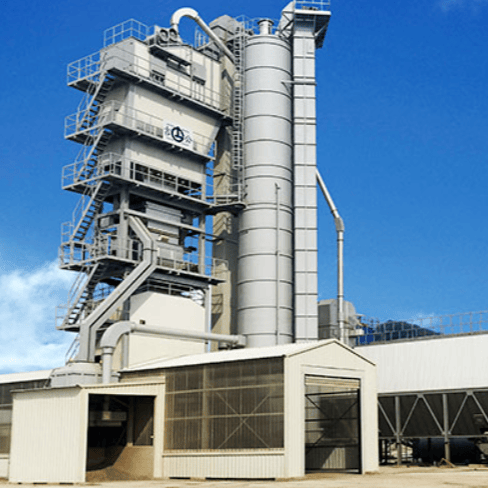
LBH4000 Batch Environmental Protection Asphalt Mixing Plant | Asphalt Batching Plant | Asphalt Mixing Plant
Jilin Province Road Construction Machinery Co., Ltd.