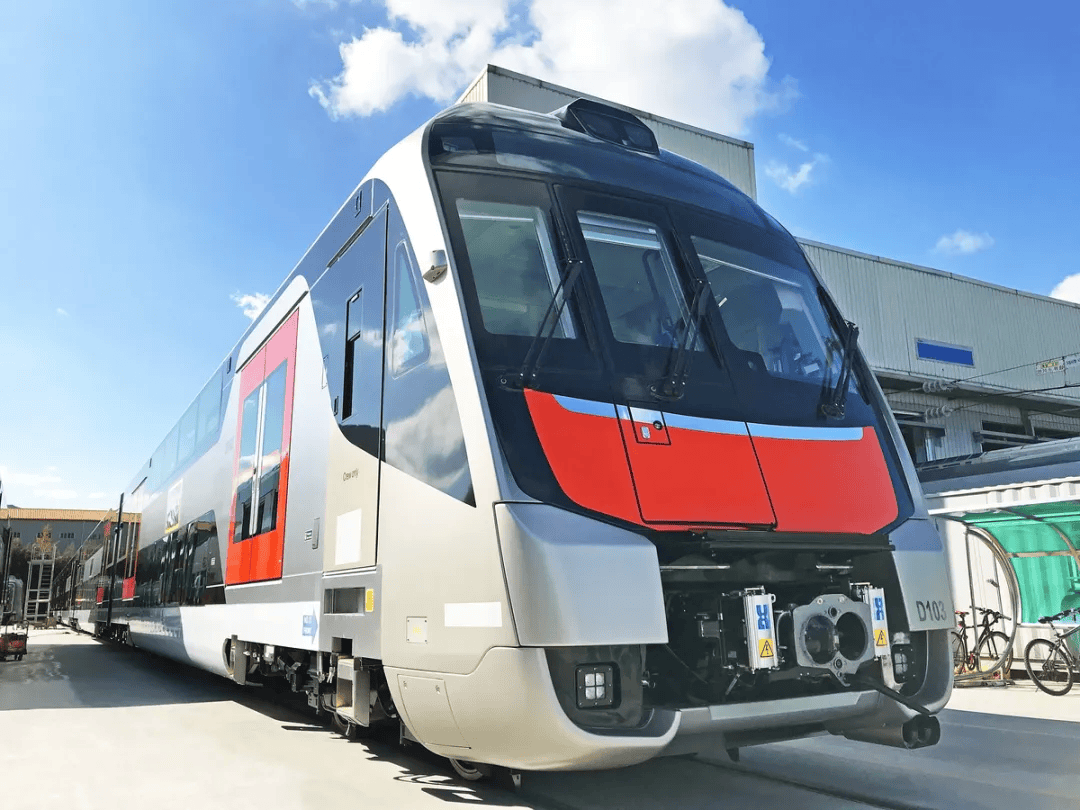
en.Wedoany.com Reported - A technical assessment by the Indian Institute of Science (IISc) indicates that the double-decker design integrating elevated roads with the Bengaluru Metro Phase III corridor will attract more private car usage and lead to a decline in metro ridership. The study findings were presented at an interactive meeting organized by a civil society group ahead of the federal government's consideration of Phase III approval. The convener of the IISc Sustainable Transportation Lab stated that this configuration is incompatible with sustainable transportation goals.
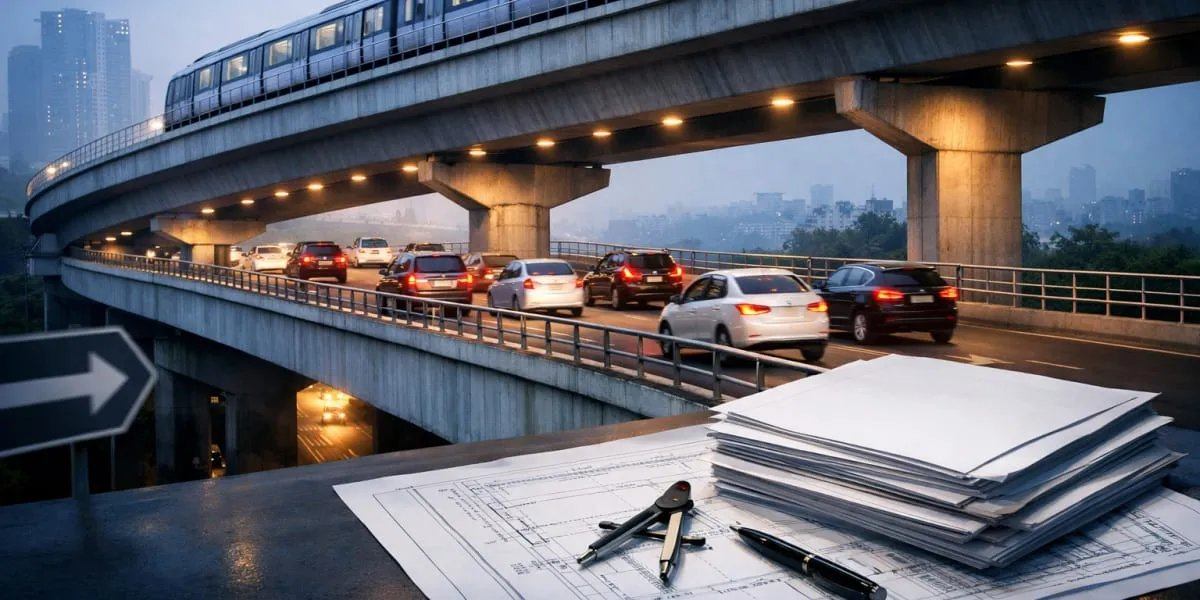
The study compared a metro-only plan with a combined scheme where metro and elevated roads share common pillars on dual corridors (total length 44.65 km). Projections indicate that under the combined design, average daily metro ridership on these corridors would drop from 809,000 to 798,000 passengers. The share of bus transport is expected to decline by 6.4%, metro share by 1.4%, while car usage is projected to increase by 3.8%.
Researchers estimate that the increased road capacity will lead to a rise in total vehicle kilometers traveled and daily emissions: 17,012 kg of CO2, 85.9 kg of CO, and 1.1 kg of PM2.5. The report projects an additional daily fuel consumption of 7,000 liters, with associated extra fuel costs of Rs 645,000 per day. These changes are linked to a modal shift from high-occupancy public transport to private vehicles.
Capital expenditure for the Bangalore Metro Rail Corporation Limited (BMRCL) under the double-decker integration scheme increased by Rs 28.6353 billion, attributed to larger pier diameters, deeper foundations, and elevated stations adding multimodal transport integration costs without yielding public transport benefits. The cost for Corridor 1 is expected to rise from Rs 49.72 billion to Rs 70.3 billion, and for Corridor 2 from Rs 17.11 billion to Rs 25.17 billion, resulting in the aforementioned additional burden. The report noted legal obligations in earlier approval letters favoring metro ridership and observed that the Ministry of Housing and Urban Affairs has yet to approve the double-decker plan; an entrepreneur responded on X calling the assessment one-sided and urging greater investment in public transport capacity.