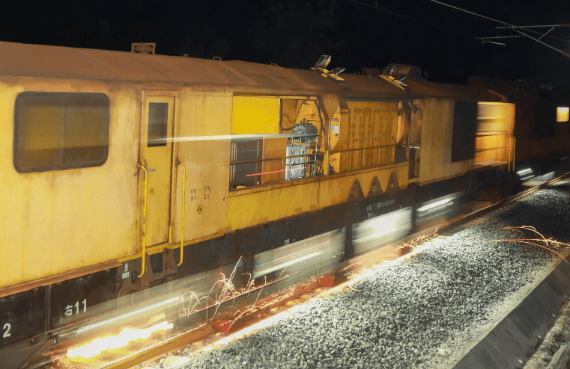
en.Wedoany.com Reported - Spanish manufacturer CAF has recently acknowledged to Morocco's National Railway Office (ONCF) that it will struggle to complete the production of 40 intercity trains on schedule. To mitigate potential delivery risks, ONCF sought support from South Korea's Hyundai Rotem but received no response. This uncertainty in train delivery poses new challenges and pressures for Morocco's railway infrastructure modernization plan, which is being advanced in preparation for hosting the 2030 FIFA World Cup (jointly with Spain and Portugal).
In terms of project structure, the order for 40 intercity trains is part of Morocco's national railway procurement plan for 168 trains, valued at approximately $2.9 billion. Among these, France's Alstom secured an order for 18 high-speed trains (approximately €781 million), Spain's CAF won a contract for 40 intercity trains (approximately $600 million), and South Korea's Hyundai Rotem received an order for 110 regional express trains (approximately $1.53 billion).
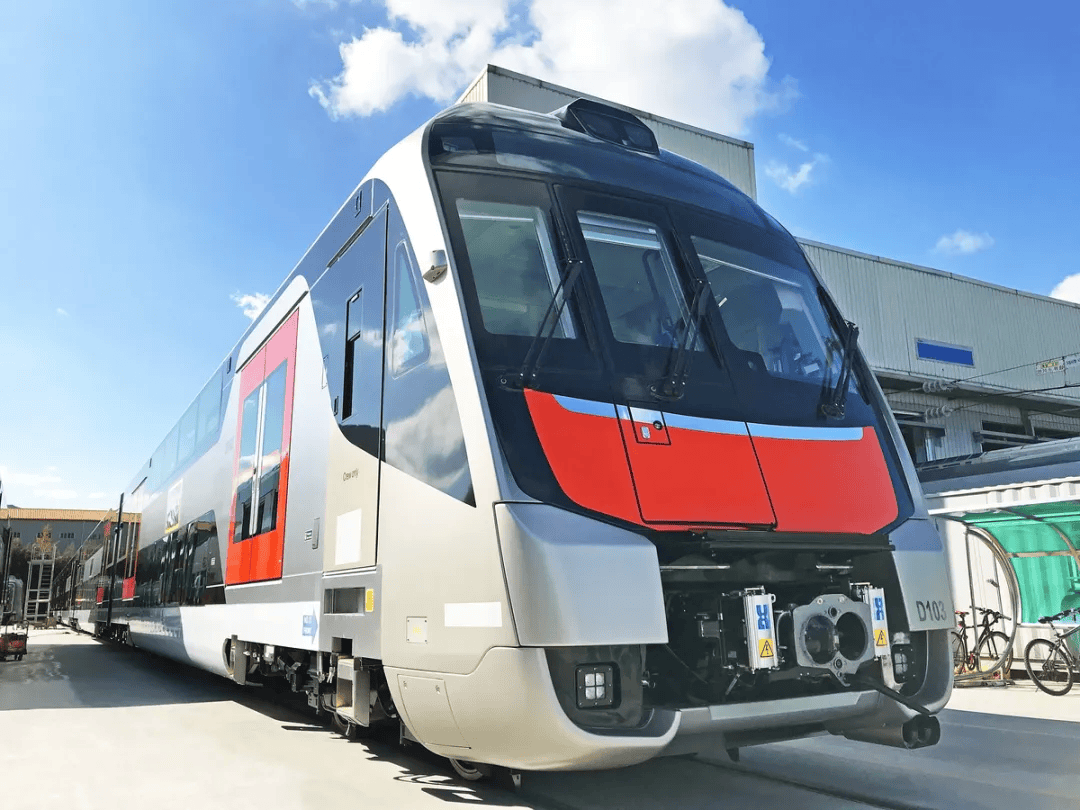
The intercity train contract includes 30 firm orders and an option for 10 additional trains, backed by up to €754 million in financing support from Spain. Designed for a maximum operating speed of 200 km/h, the trains are planned to serve main lines such as Fez–Marrakech and Kenitra–Fez. Deliveries are scheduled to begin in phases from 2029, with the overall project expected to be completed by 2030. However, as CAF acknowledges production pressures, while initial deliveries are still planned for 2029, the overall timeline may face adjustments, further tightening the project execution schedule.
ONCF had sought support from South Korea's Hyundai Rotem, hoping it could help share some of the train delivery tasks. Hyundai Rotem is known globally for its "low delay rate" delivery capability. However, this approach has not yielded a substantive response, as the company is currently busy with Morocco's order for 110 regional express trains—its largest order ever—and its own production tasks are already very tight.
The risk of delays from Spain's CAF not only affects the execution of a single contract but will also compress the timelines for subsequent testing, certification, acceptance, personnel training, and commercial operation. Under the goal of ensuring transportation for the World Cup, Morocco's railway system is facing multiple challenges related to delivery pace, capacity allocation, and coordination among multiple suppliers.