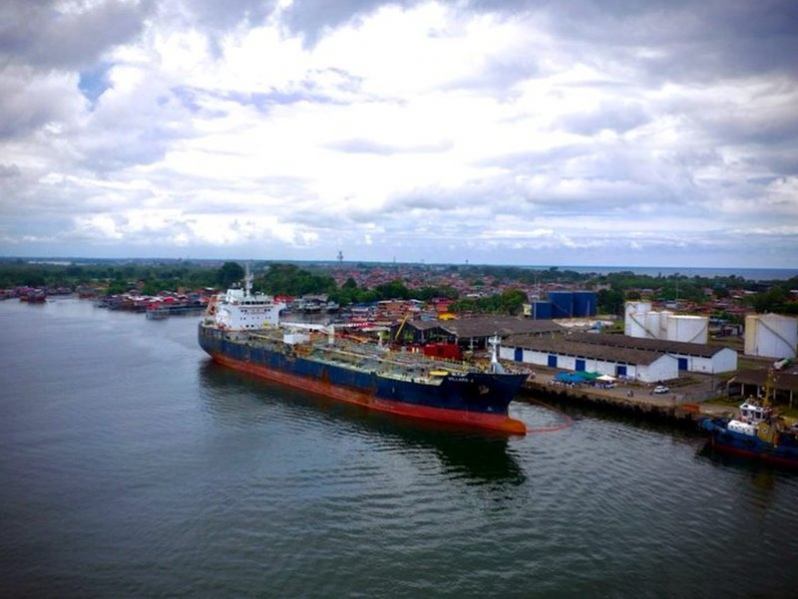
en.Wedoany.com Reported - Spot freight rates from South America to North America have risen, driven primarily by a surge in prices on the Brazil-US route. Last month, rates for a 40-foot container jumped 50% to $3,000.

This increase does not reflect robust trade growth. Observers believe the factors driving up freight rates point in the opposite direction—the impact of rising fuel prices, front-loading of shipments to avoid impending US tariffs, and capacity constraints caused by carriers reducing sailings due to weak market demand.
According to the latest CTS data, northbound cargo volumes fell 9.6% month-on-month in April to 225,400 TEUs, following a 13.4% decline in March. In the first four months of this year, northbound cargo volumes continued to shrink.
Southbound cargo performance was slightly better. After month-on-month growth of 4.9% in February and 1.4% in March, CTS data showed a 4.1% decline in April, the first contraction this year.
In the first five months of this year, bilateral trade between the US and South America's largest economy fell 14.3%. Brazilian exports to the US dropped 14%, while reverse trade declined 12.6%. In May, Brazilian exports to the US fell for the 14th consecutive month.
Brazilian exporters have taken steps to diversify their business. In May, Brazil's overall exports grew 8.7% year-on-year. The trade agreement between Mercosur and the European Union suggests further growth in Brazil's transatlantic exports in the future.
Meanwhile, signals from US trade have further deteriorated. Washington recently completed a Section 301 investigation into alleged unfair trade policies and practices, concluding that US Trade Representative Greer has proposed imposing a 25% tariff on imports from Brazil.
The proposal includes exemptions for a range of products, including coffee, tropical fruits, aircraft parts, and fossil fuels. It is estimated that the tariff would affect less than 30% of Brazilian exports, mainly in industrial equipment and machinery.
This move has exacerbated already tense relations between the US and Brazilian governments and added further trouble for Brazilian exporters. Exporters are currently facing a 10% Section 122 tariff on all goods shipped from Brazil to the US, which is set to expire on July 23.
Despite slowing trade flows, shippers can see a positive sign: improved performance of shipping lines on this route. Sea-Intelligence's June 2026 Global Liner Performance Report shows that schedule reliability in April/May increased 4.4% month-on-month to 75.3%, up 12.8% year-on-year.
Southbound schedule reliability fell 0.5% month-on-month but rose 11% year-on-year.
The average delay for late-arriving northbound vessels shortened by 0.71 days from March/April to 3.29 days, 3.01 days lower than a year ago. The average delay for all northbound container ships decreased by 0.61 days from March/April to 0.53 days.
Sea-Intelligence's six-month trend indicator shows that three shipping lines saw declining reliability, while five improved, with one achieving a record 100% on-time rate, two exceeding 90%, and two exceeding 80%.
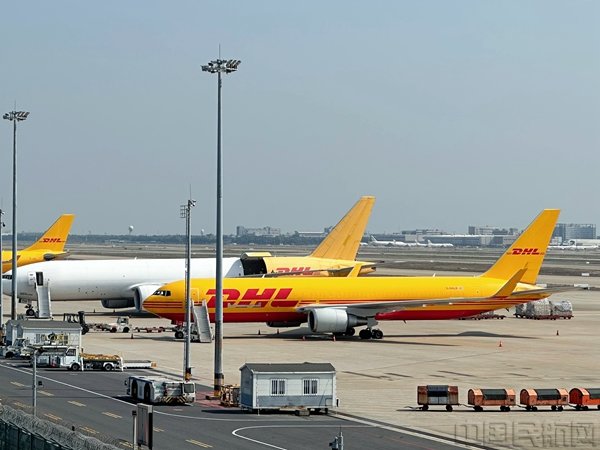
According to WorldACD data, Latin American airfreight export volumes increased 4.3% year-on-year from June 1 to 21. Exports to North America grew 2.3%, while exports to Europe rose 6.6%. Freight rates to North America increased 6.9% year-on-year, lower than the region's overall rate increase of 10.4%.
The World Cup has boosted capacity to North America, prompting Latin American and US carriers to add flights. American Airlines increased its passenger capacity from Argentina by 30%, adding flights connecting Buenos Aires with Miami and New York, and using larger aircraft.