China-Europe Railway Express Ships Large-Scale Air Conditioner Shipments to Europe
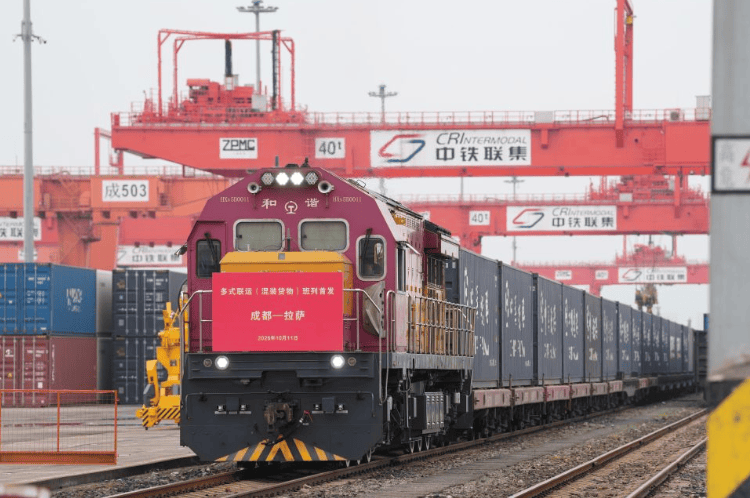
en.Wedoany.com Reported - "We are urgently producing 30,000 mobile air conditioners for the French market, which will be gradually delivered to the market within a week. Through railway and truck transport via the China-Europe Railway Express, we are also shipping dozens of containers each week as planned to other European markets such as Germany, the UK, and Spain." On the evening of July 3, the head of Midea's overseas air conditioner business told Yicai reporters that the shortage of mobile air conditioners in Europe due to the summer heatwave has somewhat eased.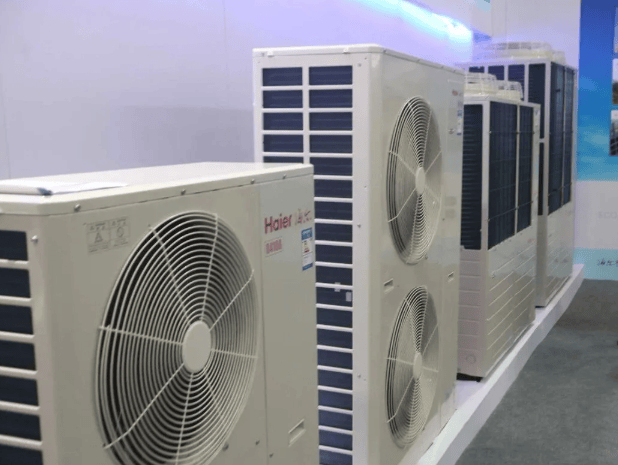
At the same time, more Chinese air conditioner companies are flocking to the European market. "Currently, no fewer than 10 manufacturers are looking to sell mobile air conditioners and other products in Europe and are seeking cooperation with us," said Xiao Youyuan, chairman of Zhuhai Sanyou Environmental Technology Co., Ltd., revealing that competition in the European air conditioner market is expected to intensify next year.
The extreme heat in Europe this summer has now subsided. "The temperature here at night has returned to 18°C," Li Tao (pseudonym), a Chinese resident in Bristol, UK, told reporters on July 2. Another Chinese resident in Paris, France, also reported that day that the average temperature in Paris had dropped back to over 20°C.
A week ago, Europe—including France, the UK, Spain, and Portugal—experienced temperatures exceeding 40°C or red-alert heatwaves, leading to a sellout of mobile air conditioners. While supplies of split-type air conditioners and light commercial air conditioners remain relatively adequate, local installation costs are high and waiting times are long. After the extreme heat, the next direction of the European air conditioner market has drawn significant attention.
Li Xuefei, an analyst at Industry Online, told Yicai reporters that the shortage triggered by this heatwave is only a short-term, phase-specific demand. Once temperatures drop, the market will return to normal, but it has also prompted multiple adjustments in the industry: manufacturers will increase R&D efforts for customized models that address installation challenges in European homes, adjust production capacity layouts for related products, and channels will boost inventory levels. In the future, the market's competitive focus will shift from pure price competition to differentiated products that align with local usage and environmental standards.
In 2027, the EU will implement a new refrigerant policy. Li Xuefei told reporters that, first, this new EU refrigerant policy was already released in 2024; second, the policy's timeline for refrigerant replacement varies by product. For mainstream split-type air conditioners in the EU, replacement is not required until 2029. In 2027, the requirement applies to heat pump products, which must switch to refrigerants with a GWP (Global Warming Potential) of less than 150.
A relevant person from TCL Air Conditioner also told reporters that the EU's new refrigerant policy has different implementation timelines for air conditioners and heat pumps. Heat pumps must adopt environmentally friendly new refrigerants starting in 2027, while air conditioners are required to use new refrigerants from 2029.
China's leading air conditioner companies have already prepared. Regarding the implementation of the EU's new refrigerant policy, a representative from Gree Electric Appliances said it "has no impact," and the head of Midea's overseas air conditioner business also stated that "products were ready long ago."
Li Xuefei noted that at this stage, the mainstream products in the European home air conditioner market remain traditional split-type air conditioners, which dominate in terms of market stock and shipment volume. Mobile air conditioners serve more as a supplementary category, often used in scenarios with installation constraints such as old apartments, rentals, or temporary use, making them a secondary choice. Meanwhile, installation-free mobile split-type air conditioners are only innovative niche models introduced by a few Chinese companies, currently accounting for a small market share and not yet widely adopted.
Related Products

One-Stop Steward Service for the Entire Logistics System Integration Chain
Zhongding Intelligent (Wuxi) Technology Co., Ltd.
China - Alashankou/Khorgos - Europe Full Range Transportation (Mala/Hamburg/Duisburg/Budapest, etc.)
Shenzhen Neptune Logistics Co., Ltd.
Industrial and Commercial Point-Type Gas Detector
Jinan Benan Technology Development Co., Ltd.

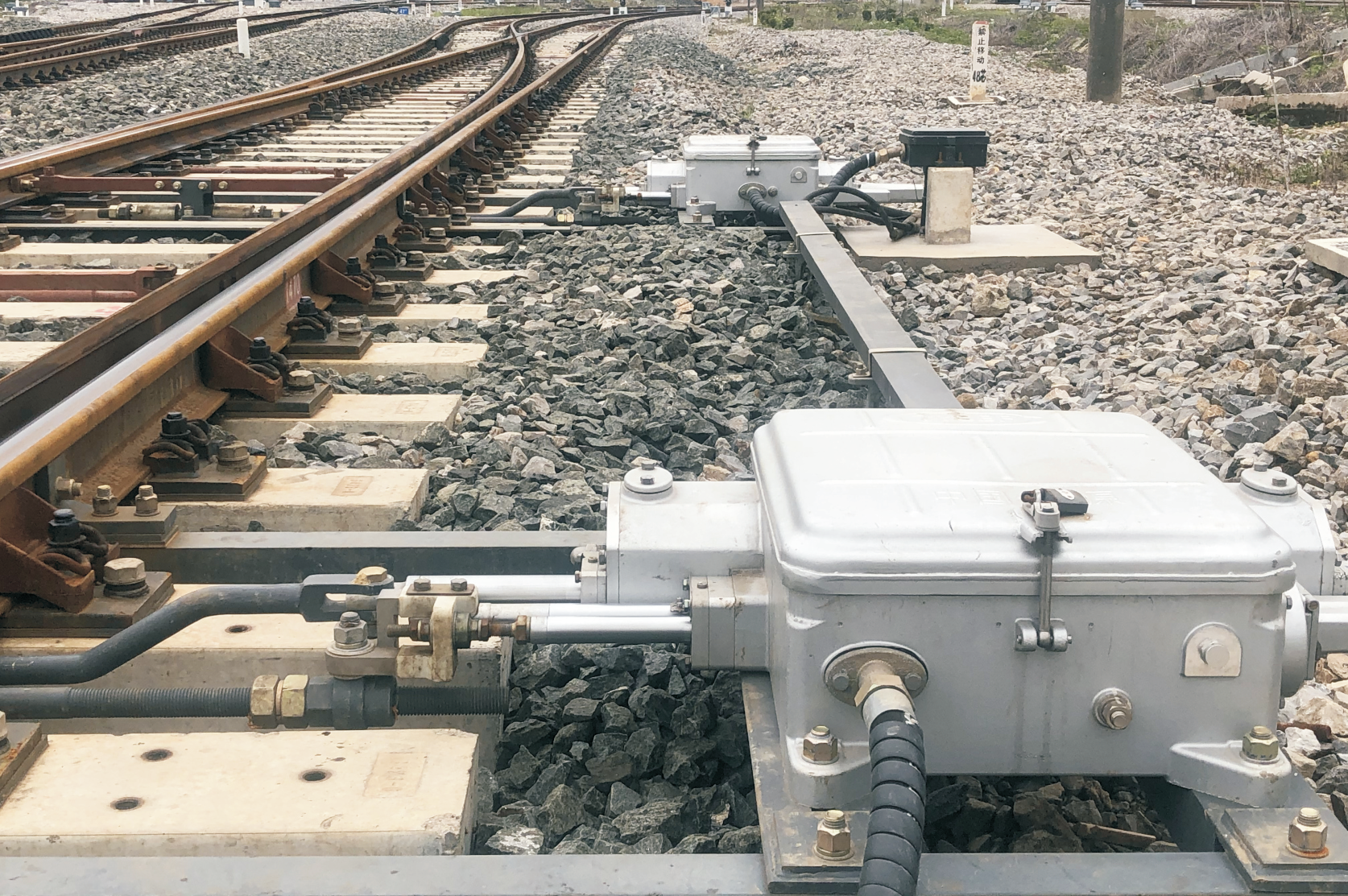
ZY(J)7(M) Sealed Type Electro-Hydraulic Turnout Machine
TAIYUAN CR JINGFENG EQUIPMENT TECHNOLOGY CO., LTD.