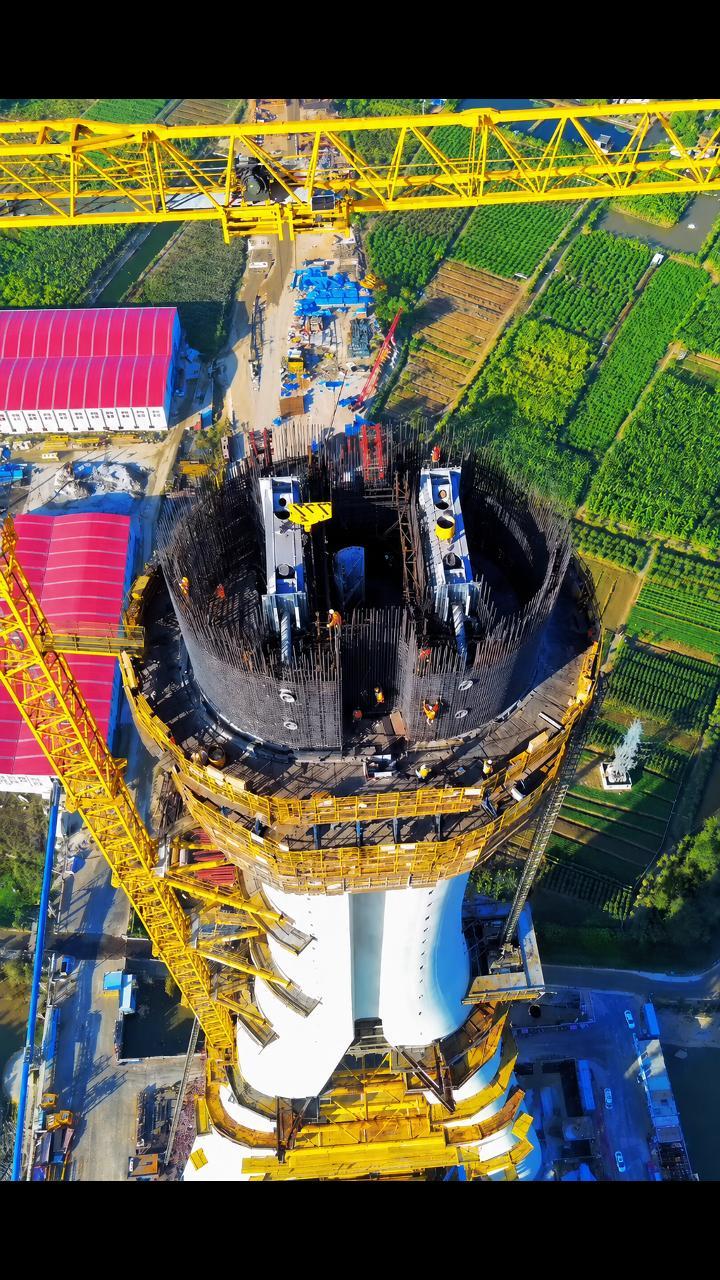
China's Supreme People's Court Issues "Construction Contract Interpretation II" to Regulate the Construction Market
en.Wedoany.com Reported - With the deepening of China's urbanization process and sustained investment in infrastructure construction, the healthy and orderly development of the construction industry, as a pillar industry of the national economy, directly impacts the overall economic landscape and public welfare. Disputes over construction project contracts have long been characterized by difficulties in ascertaining facts and applying the law. In recent years, due to profound adjustments in the construction market, the number of such cases has increased year by year, imposing higher demands on judicial practice and industry governance.
Building on the practical experience of the "Interpretation of the Supreme People's Court on Issues Concerning the Application of Law in the Trial of Disputes over Construction Project Contracts (I)," the Supreme People's Court has summarized pain points and difficulties in judicial practice, as well as thorny issues hindering the transformation and upgrading of the construction industry. It has researched and issued the "Interpretation of the Supreme People's Court on Issues Concerning the Application of Law in the Trial of Disputes over Construction Project Contracts (II)" (hereinafter referred to as "Construction Contract Interpretation II"). The author has closely followed the deliberation, drafting, public consultation, and formal issuance of Construction Contract Interpretation II, identifying at least three notable features: First, in terms of content, Construction Contract Interpretation II emphasizes the systemic coherence between judicial interpretation rules and the provisions of the Civil Code. On one hand, it successfully transforms relatively mature adjudicative approaches in judicial practice into specific rules; on the other hand, it boldly breaks through existing rule orders to construct a new institutional system. Second, in terms of rule orientation, Construction Contract Interpretation II generally adopts a strict regulatory value orientation, consciously balancing the legitimate interests of all parties, including developers, general contractors, subcontractors, and original actual constructors, with a focus on protecting the rights of construction workers. Third, and most importantly, Construction Contract Interpretation II undoubtedly sends a firm and positive legal signal in maintaining the construction market order, promoting project quality improvement, accelerating project settlement, and guiding the healthy development of the construction industry, fully reflecting the Supreme People's Court's judicial responsibility in supporting high-quality development of the construction industry.
High emphasis on balancing interests, building a "firewall" for market order. The quality of the construction market order directly determines the health of the industry ecosystem. Long-standing malpractices such as "collusive bidding," "subcontracting and affiliation," and "illegal subcontracting" have persisted in the construction sector, not only disrupting fair market competition but also posing significant risks to project quality, safety, and the protection of migrant workers' rights. In maintaining market order, Articles 1 to 3 of Construction Contract Interpretation II demonstrate a clear value orientation and interest balance, with profound implications for curbing industry chaos and clarifying market rules. On one hand, while providing negative evaluations (contract invalidity) for illegal acts such as failing to tender as required, determining the contractor before tendering, and borrowing qualifications, Articles 4 to 7 of Construction Contract Interpretation II clarify common practical issues through specific provisions, such as internal liquidation among affiliated parties and how downstream suppliers can realize claims in cases of affiliation. This rule creation fully reflects the supplementary function of judicial interpretations to laws and regulations. On the other hand, Construction Contract Interpretation II returns to legal principles, ending the historical practice where original actual constructors could arbitrarily bypass contractual privity to directly claim project funds from developers. In accordance with the Civil Code, it grants subrogation rights to entities and individuals borrowing qualifications, as well as those accepting subcontracting or illegal subcontracting, and provides a dedicated channel for migrant workers to assert their rights. This rule change systematically addresses the long-standing issue of original actual constructors that has plagued the industry and judicial practice, fully embodying a people-oriented approach and legal responsibility.
Strengthening quality responsibility orientation, tightening the "safety valve" for project construction. Project quality is the lifeline of the construction industry. Construction Contract Interpretation II consistently applies the "quality first" principle, reflected in the following three aspects: First, it integrates project quality into project pricing rules, clarifying that for unfinished fixed-price contracts, the cost can be determined by calculating the price ratio, provided that quality is qualified; it also specifies the start time of the warranty period and repair obligations in cases of contract termination or invalidity, strictly enforcing the project quality responsibility of construction entities. Second, it emphasizes procedural requirements for fulfilling warranty obligations. It clarifies that if the developer fails to notify the contractor for repairs, the contractor may refuse to pay repair costs, but reasonable costs incurred by the developer for self-repair after the contractor's refusal to repair should be supported. This rule further defines the rights, responsibilities, and remedies of developers and contractors during the warranty period. Third, it effectively bridges civil litigation and administrative enforcement. Construction Contract Interpretation II explicitly stipulates that if a court, during the trial of a construction project contract dispute, discovers that a party is involved in "three types of subcontracting and one type of affiliation" or that the project has serious quality issues, it should report and transfer relevant information, clues, and evidence to the relevant construction administrative department. This provision reflects the court's increased emphasis on coordination with administrative bodies to maintain the construction market order and promote healthy industry development, fully demonstrating the judiciary's high level of responsibility for the safety of people's lives and property.
Clearing settlement bottlenecks, accelerating project payment "speed." "Settlement difficulties" have long been a persistent problem for construction enterprises. Delayed project payments not only lead to corporate cash flow disruptions but also trigger social issues such as wage arrears for migrant workers. Construction Contract Interpretation II introduces practical measures to resolve settlement challenges. On one hand, it provides specific rules on key issues such as adjustment principles for labor and main material price increases during the construction period of fixed-price contracts, valuation of design changes in fixed-price contracts, settlement of unfinished and unsettled fixed-price contracts, and the reference scope for discounted compensation in invalid construction contracts. These rules offer clearer guidance for courts at all levels in advancing project cost settlement and provide institutional safeguards for construction enterprises facing difficulties. On the other hand, regarding whether the settlement price of projects subject to government audit or financial review can be overridden, Construction Contract Interpretation II innovatively establishes "prolonged delays in audit or financial review" and "significant discrepancies between settlement and performance" as two applicable prerequisites, preventing developers from using administrative audits as a pretext to delay settlement or reduce settlement prices, thereby infringing on contractors' legitimate rights. The creation and application of this provision will effectively dismantle barriers of improper administrative interference in civil contractual relationships, remove the biggest obstacle for contractors to claim timely settlement and payment of project funds, significantly alleviate corporate financial pressure, and ensure the stable operation of the supply chain and industrial chain.
Leveraging judicial guidance, steering industry transformation and upgrading "direction." Legal norms are not only adjudicative rules but also behavioral standards for enterprises and development guidance for industries. The clarification of specific legal application issues in Construction Contract Interpretation II has a deeper value in guiding and shaping the future development of the entire construction industry. First, it guides the industry from "relationship competition" to "capability competition." The strong maintenance of the bidding market order and strict regulation of illegal acts such as collusive bidding, subcontracting, affiliation, and illegal subcontracting in Construction Contract Interpretation II will gradually shrink the survival space for enterprises relying on irregular operations to secure projects. The market will increasingly favor enterprises with standardized management, strong technical capabilities, and good reputations, steering industry competition back to the essence of quality, technology, management, and service, and promoting reasonable industry concentration and transformation and upgrading. Second, it guides industry management from "extensive" to "refined." Construction Contract Interpretation II requires construction enterprises to enhance the precision of contract management, evidence management, and process management. Enterprises need to establish and improve a full-process legal risk prevention and control system from bidding, contracting, and performance to settlement, standardizing the creation and preservation of process documents such as site instructions, correspondence, and meeting minutes. This itself is a significant opportunity to promote the modernization of enterprise management. Third, it guides the industry ecosystem from "zero-sum games" to "win-win cooperation." The balance of rights and obligations among developers, contractors, entities or individuals borrowing qualifications, and those accepting subcontracting or illegal subcontracting, the joint emphasis on project quality responsibility, and the regulation of settlement and payment in Construction Contract Interpretation II help build market transaction relationships characterized by equal rights and responsibilities, shared risks, and good faith. It encourages both developers and contractors to define rights and obligations through fair and transparent contracts, resolve differences during performance through negotiation and mediation, and jointly ensure the smooth implementation of projects, thereby creating a more harmonious, stable, fair, transparent, and predictable business environment.
The rule of law is the best business environment. The formal issuance and implementation of Construction Contract Interpretation II will help further regulate the construction market order, stimulate market vitality, and provide stronger legal safeguards for the high-quality development of the construction industry. The China Construction Industry Association will actively organize member units to study and discuss, promptly provide feedback on industry opinions, and jointly create a clean, fair, and competitive market environment, adding luster to the "Built by China" brand.
Related Products
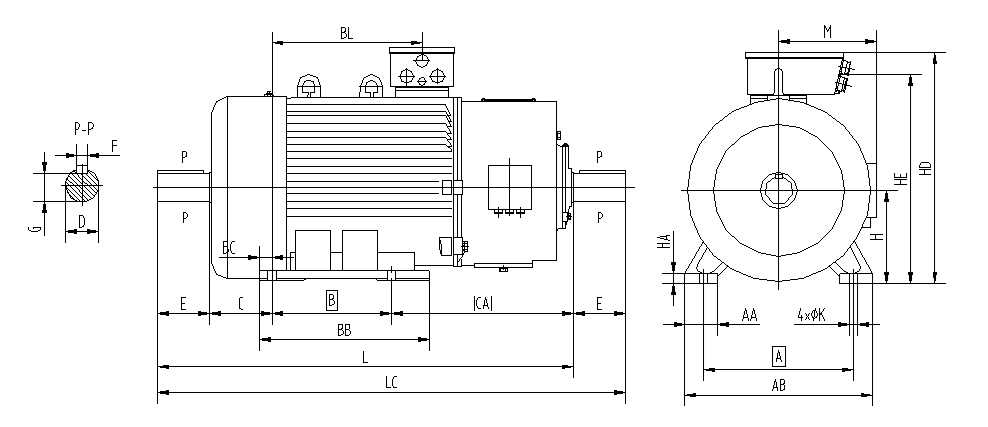

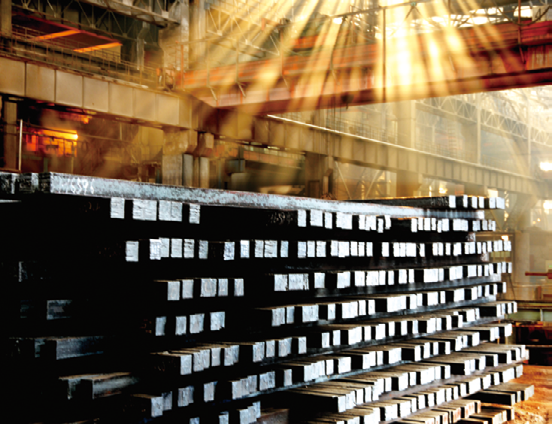
YZR (450-560) Series Wound Rotor Three-Phase Asynchronous Motors for Crane and Metallurgical Applications
Jiamusi Electric Machine Co., Ltd.
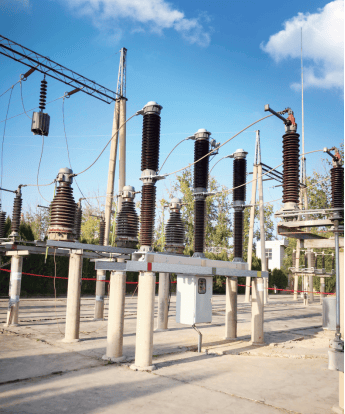
145kV Porcelain Column Type Sulfur Hexafluoride Circuit Breaker
TBEA ZONFA Shanghai High Voltage Switchgear Co., Ltd.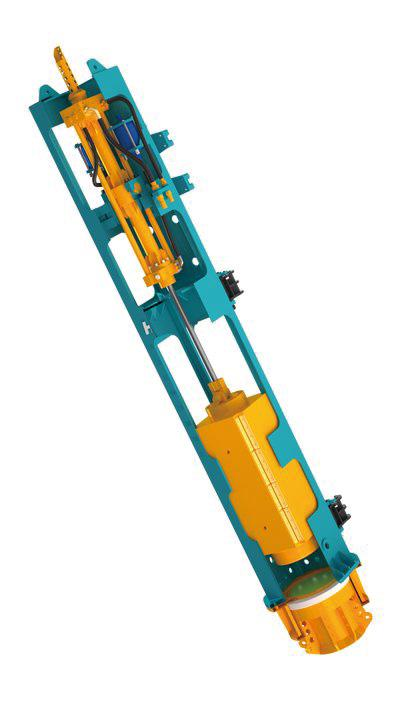
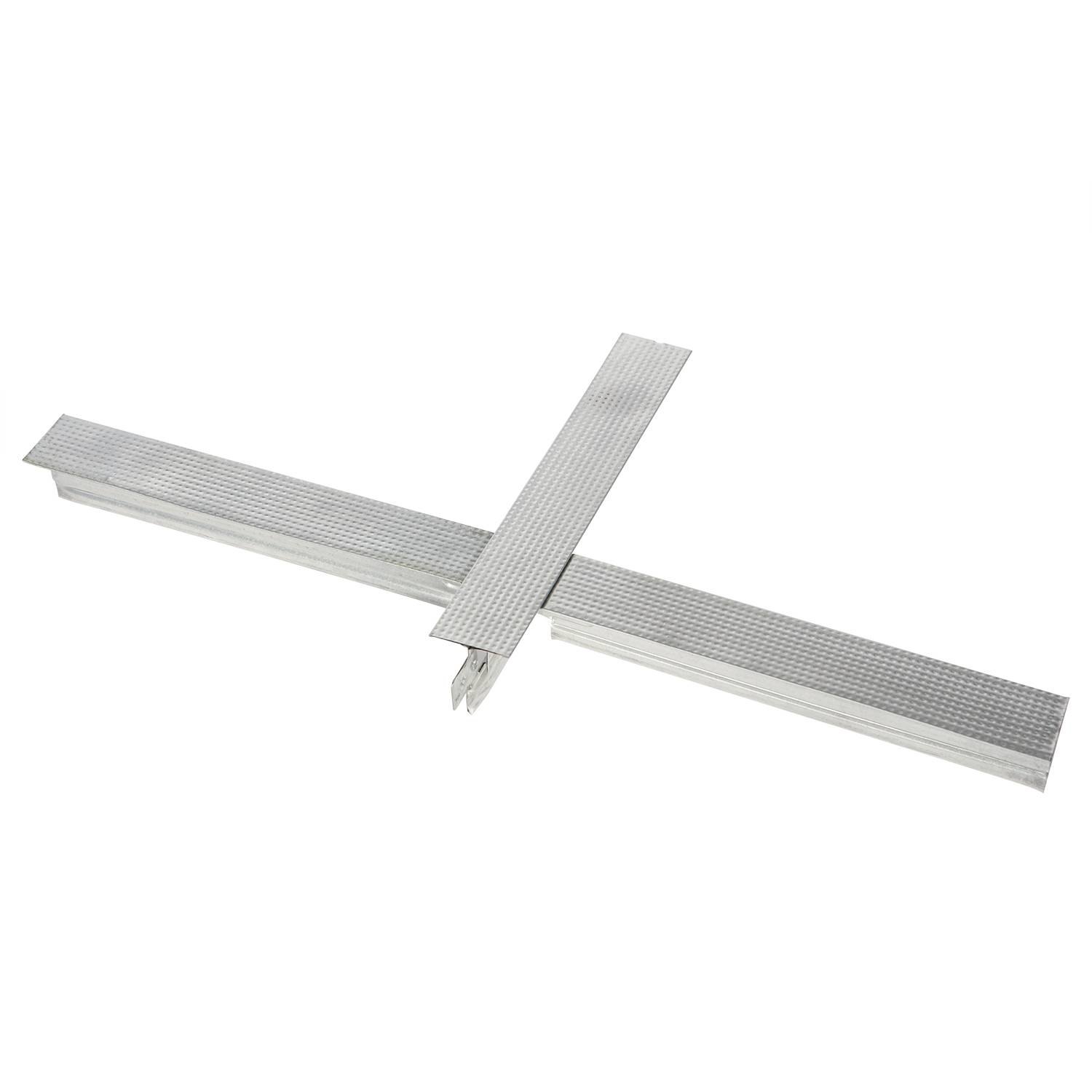

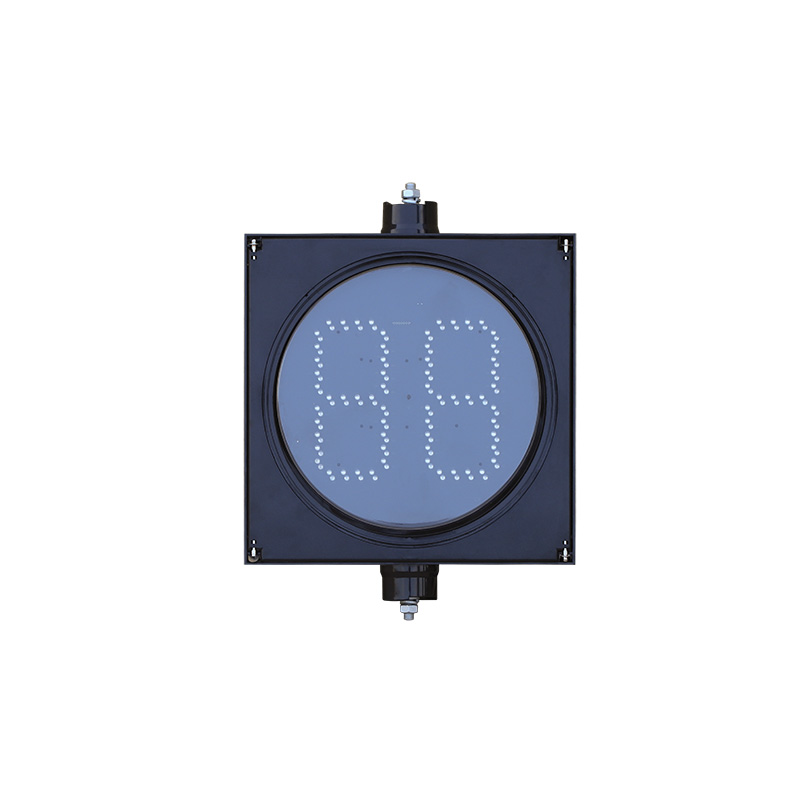
300mm Segment Type Countdown Traffic Light (Core Type)
Yangzhou FAMA Intelligent Equipment Co., Ltd.