Jaguar Land Rover Launches 49 Sustainable Automotive Components
en.Wedoany.com Reported - Jaguar Land Rover (JLR) has unveiled a new concept vehicle named "Cornerstone," which integrates 49 more sustainable automotive components. Developed in collaboration with over 40 supply chain partners, the project aims to halve the comprehensive carbon footprint compared to existing processes and materials. JLR states that the project has already achieved a reduction of over one tonne of CO2 equivalent, equivalent to the carbon emissions of a passenger flying from Paris to New York, while creating multiple industry firsts.
Paul Francis, Senior Manager of Circular Economy at JLR, said the "Cornerstone" project demonstrates how JLR can lead circular economy progress in the automotive industry and the value of accelerating progress through a coordinated, multi-stakeholder approach. He noted that maintaining the highest performance and quality standards is essential, and when all parties collaborate early around shared goals, with each partner in the value chain contributing expertise throughout the development process, both production efficiency and overall outcomes are significantly enhanced.
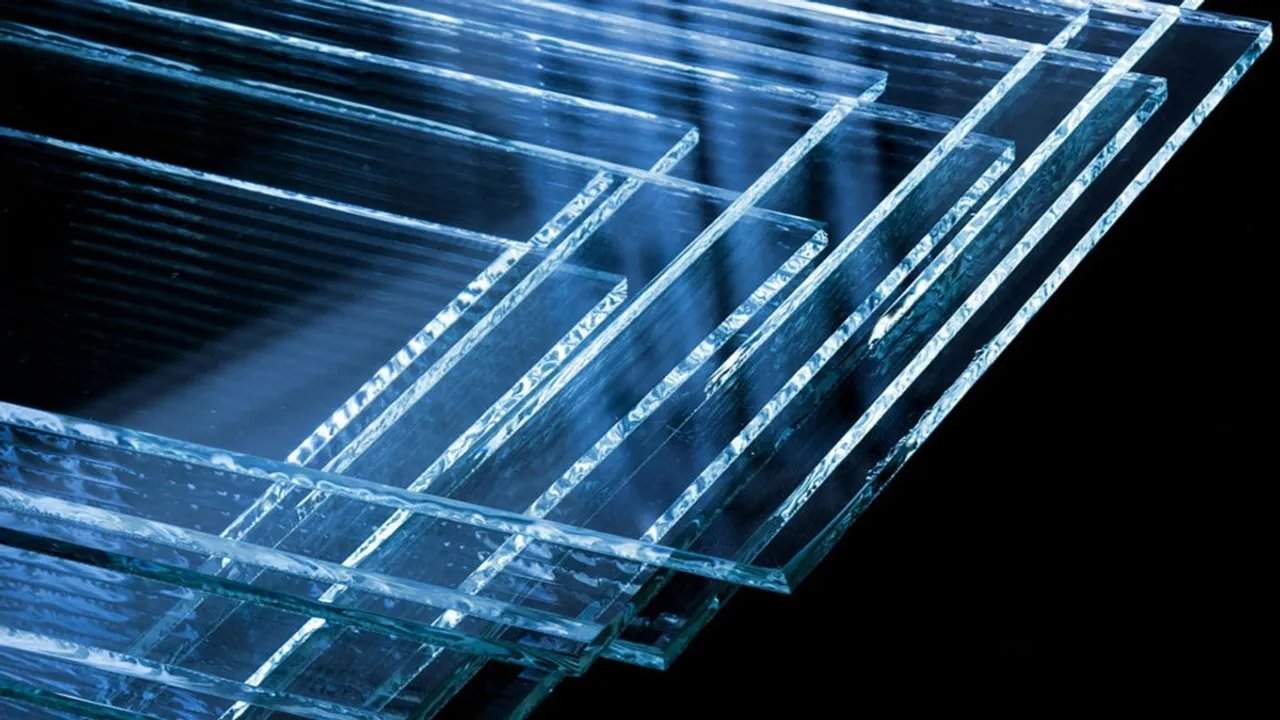
These supply chain collaborations have resulted in 100% closed-loop recycled glass (36% reduction in CO2 equivalent), removable electronic components (facilitating headlight repair), and 95% recycled magnets in speakers. JLR says that by manufacturing components for a real vehicle body, the project helps establish a clear pathway for integrating new solutions into vehicle programs. Recycled door glass, low-emission steel, recycled seat foam, and new headlight technology are already planned for upcoming models. Mary Creagh CBE, UK Minister for Nature, stated that the "Cornerstone" project demonstrates how industry can innovate when the government provides a stable policy and investment framework.
JLR's Gaydon site houses design and R&D centers, track testing facilities, and a circular economy laboratory. This lab brings together cross-functional teams from sustainability, engineering, procurement, and design. The team disassembles vehicles to understand circular economy challenges and works closely with suppliers to identify and overcome barriers to reuse and recycling. Lab data is directly fed back into the company's vehicle development decisions. Initial tests on the front bumper found that using less polymer could achieve the same quality and performance, saving 177,500 kg of CO2 equivalent per production line and over $700,000 in costs. Andrea Debbane, Chief Sustainability Officer at JLR, expressed great excitement about the potential of this working approach, stating it represents a shared commitment to doing things differently, challenging methods from all angles to find the solutions needed to design and manufacture future vehicles.
Resource scarcity, geopolitical volatility, and the demand for resilient supply chains are driving manufacturers toward a circular economy. The World Resources Institute predicts that under a business-as-usual scenario, global raw material extraction will surge by 150% by 2060, depleting high-grade commodity stocks. By keeping materials in a closed loop (such as JLR's 100% recycled glass), manufacturers can stop competing for dwindling raw material pools. Rare earth elements are primarily processed by only a few countries; reusing these materials allows manufacturers to effectively localize supply, circumventing export controls and trade tariffs. Remanufacturing and circular reverse logistics are inherently local or regional, shortening supply chains and avoiding global logistics disruptions.
Related Products


Pneumatic high-pressure wear-resistant ball valve
Zhejiang Deca Control Valve Meter Co., Ltd.
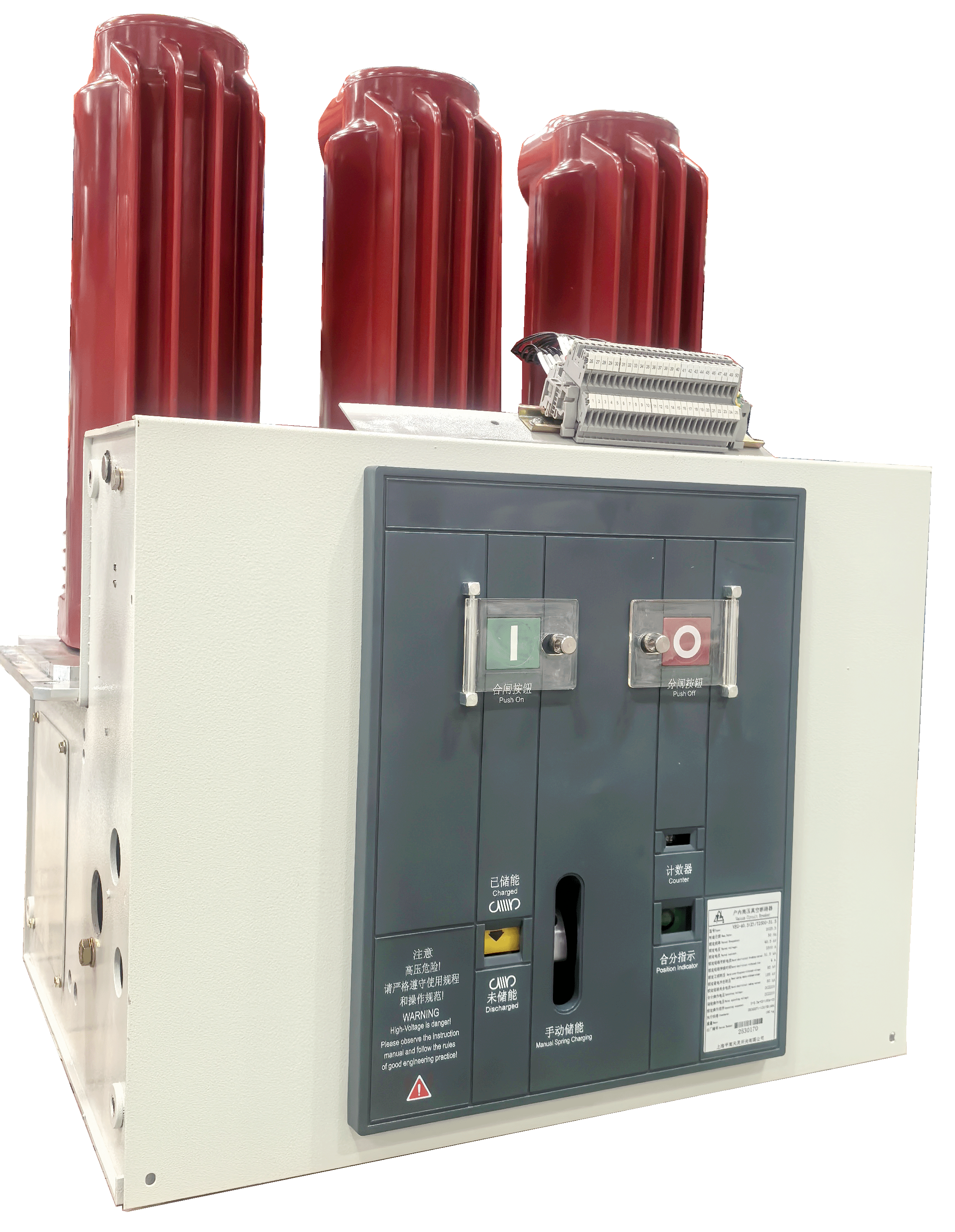
VEG-12/24/40.5 Series Vacuum Circuit Breaker
SHANGHAI PINGGAO TIANLING SWITCHGEAR CO., LTD.
Electromagnetic Fluid Seawater Floating Oil Separation and Recover Equipment
Huate Magnet Group Co., Ltd.
HI-Pro Green Hydrogen High-efficiency Production System-HI-PRO-AEM
Hydrizon Technology (Beijing) Co., Ltd.
Microcomputer Protection and Substation Automation
Beijing Agent Devote Power Technology Development Co., Ltd.