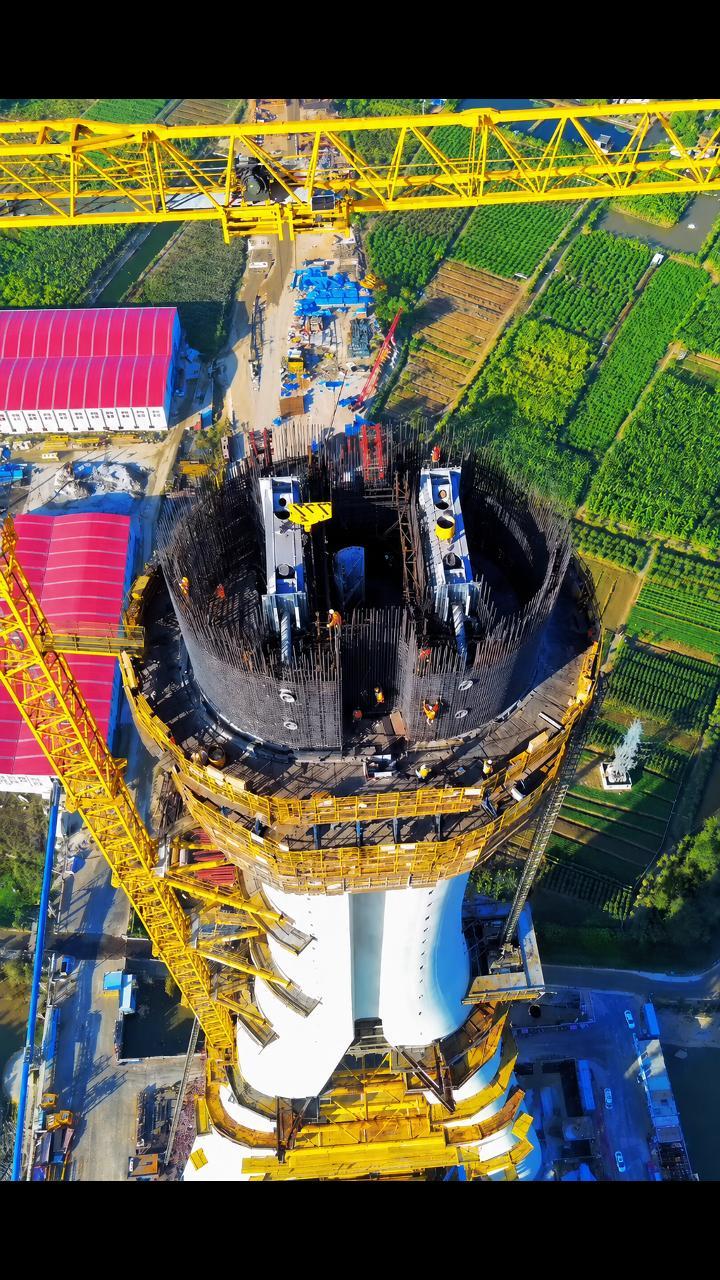
U.S. insurer Shepherd Insurance establishes a technology partnership with construction technology IoT company Brickeye
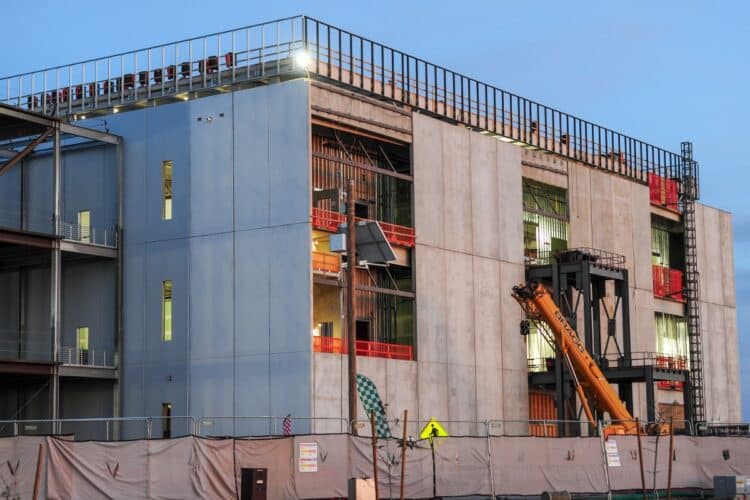
en.Wedoany.com Reported - U.S. insurer Shepherd Insurance has formed a technology partnership with construction technology IoT company Brickeye, integrating Brickeye's BuildersRiskIQ smart platform into Shepherd's insurance policy model to control the two highest-cost loss drivers in the construction industry. This collaboration is expected to transform traditional builder's risk policy terms, as both parties can provide a verified real-time view of physical risks for each insured project.
Contractors using Brickeye's LumiCon IoT devices will receive a tiered protection classification that reflects the contractual scope of sensor coverage services, and through the Shepherd Savings program, they can obtain better terms, premium discounts, or lower deductibles. The partnership initially covers builder's risk in the U.S. vertical construction sector, with a focus on water damage mitigation; as the collaboration deepens, it will expand to include concrete quality and defect risk mitigation in infrastructure projects.
Brickeye CEO Tim Angus stated that reducing project risk begins before groundbreaking. The company assesses design and risk prior to construction, then deploys IoT controls to inform how projects should be protected and insured. The platform mitigates risks in real time, capturing anomalies and triggering shutdowns before a burst pipe floods a site, or flagging conditions before thermal conditions in mass concrete lead to defects. Previously, this smart information remained on-site and was not used for underwriting decisions, but through the Shepherd platform, this information is now leveraged, allowing builders who protect their projects to pay less.
Shepherd co-founder and CEO Justin Levine noted that given the total risk cost of large-scale construction, financial service providers are uniquely positioned to incentivize loss prevention for mutual benefit with clients. Brickeye provides a verified, forward-looking accurate picture of how builder's risk accounts are protected and real-time physical risk intelligence during construction. This is precisely the proprietary, structured input that allows the model to gain more authority over time and act more autonomously and precisely.
Related Products
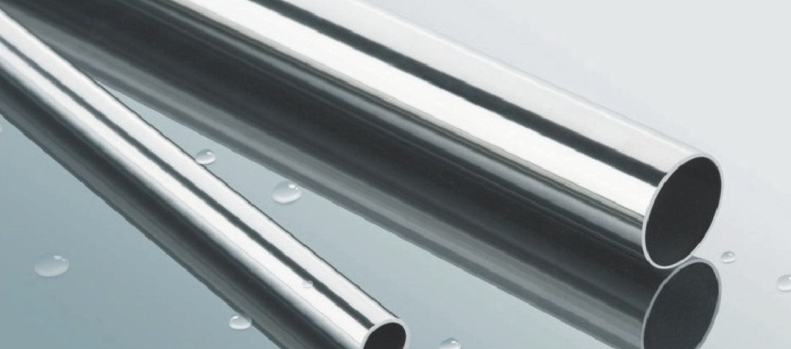

ERW Welded Pipe (Black Pipe and Hot-dip Galvanized Steel Pipe)
Handan Zhengda Steel Pipe Co., Ltd.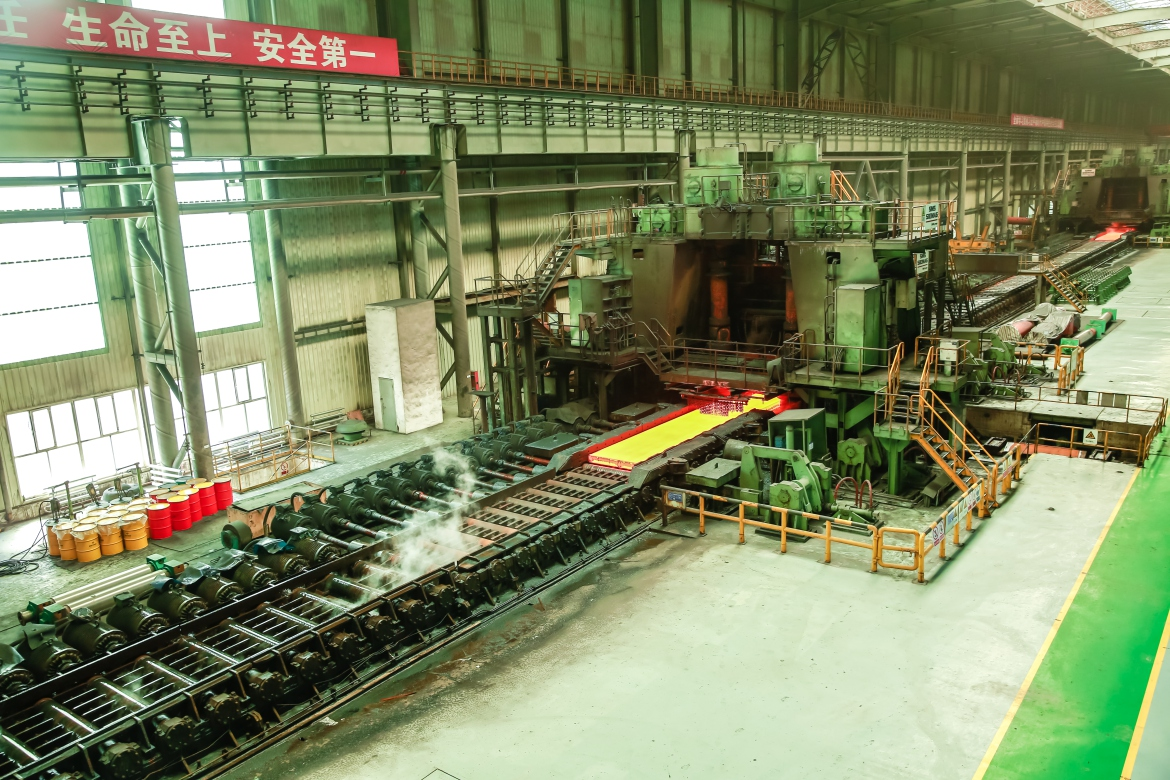

Ceiling light | led Ceiling Light | LED Indoor light | LED Ceiling lighting
Queendom Group Technology Co., Ltd.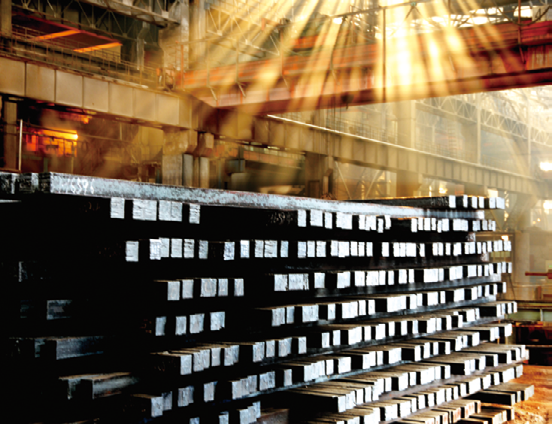
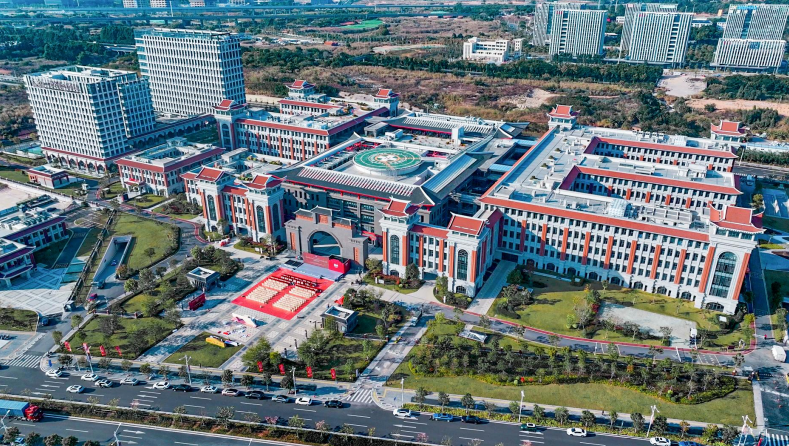
West China Xiamen Hospital of Sichuan University
Wuhan Huakang Century Clean Technology Co., Ltd.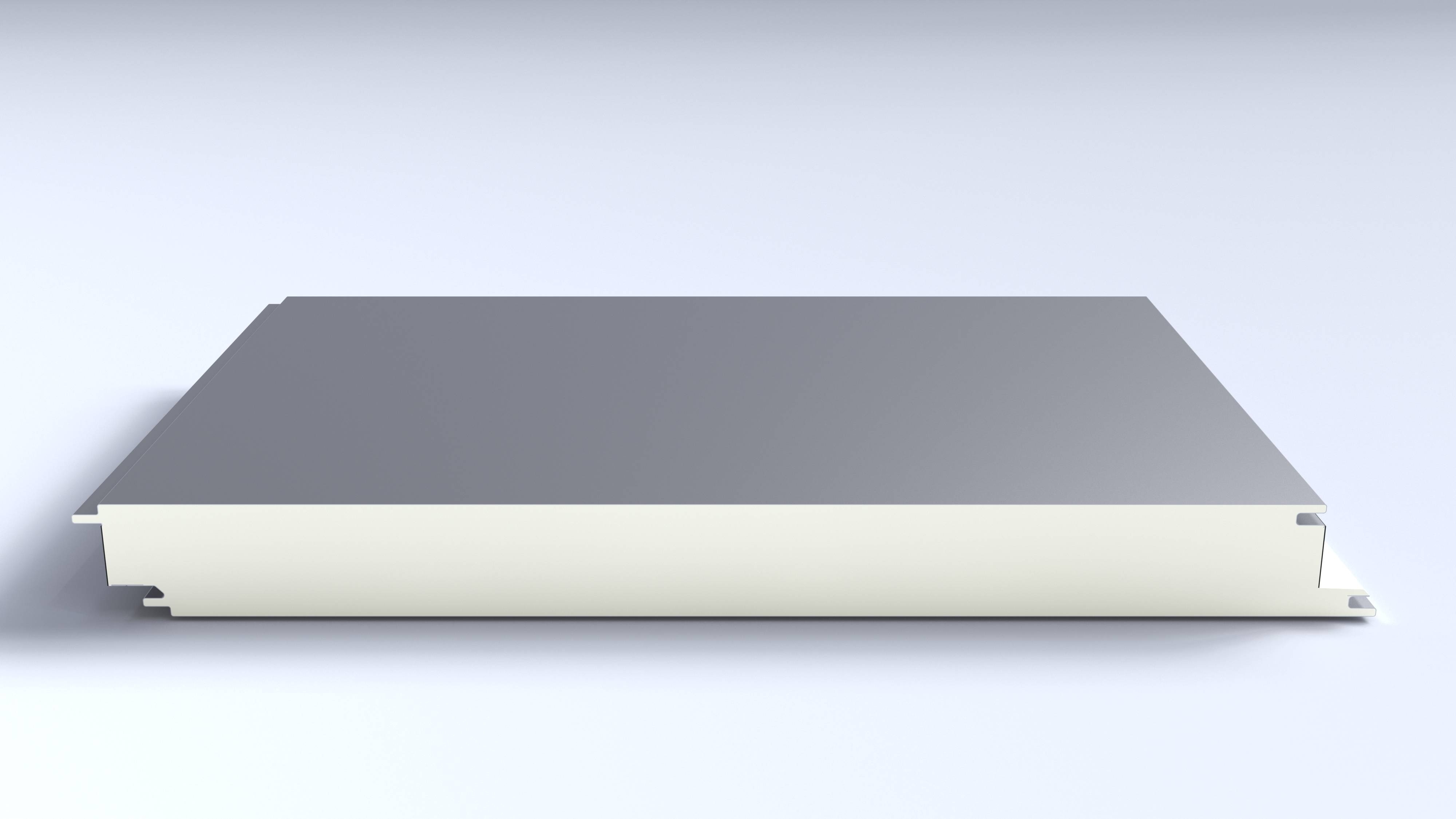
Pure Polyurethane Wall Panel BD-AEF-PIR-01
Baodu International Engineering Technology Co., Ltd.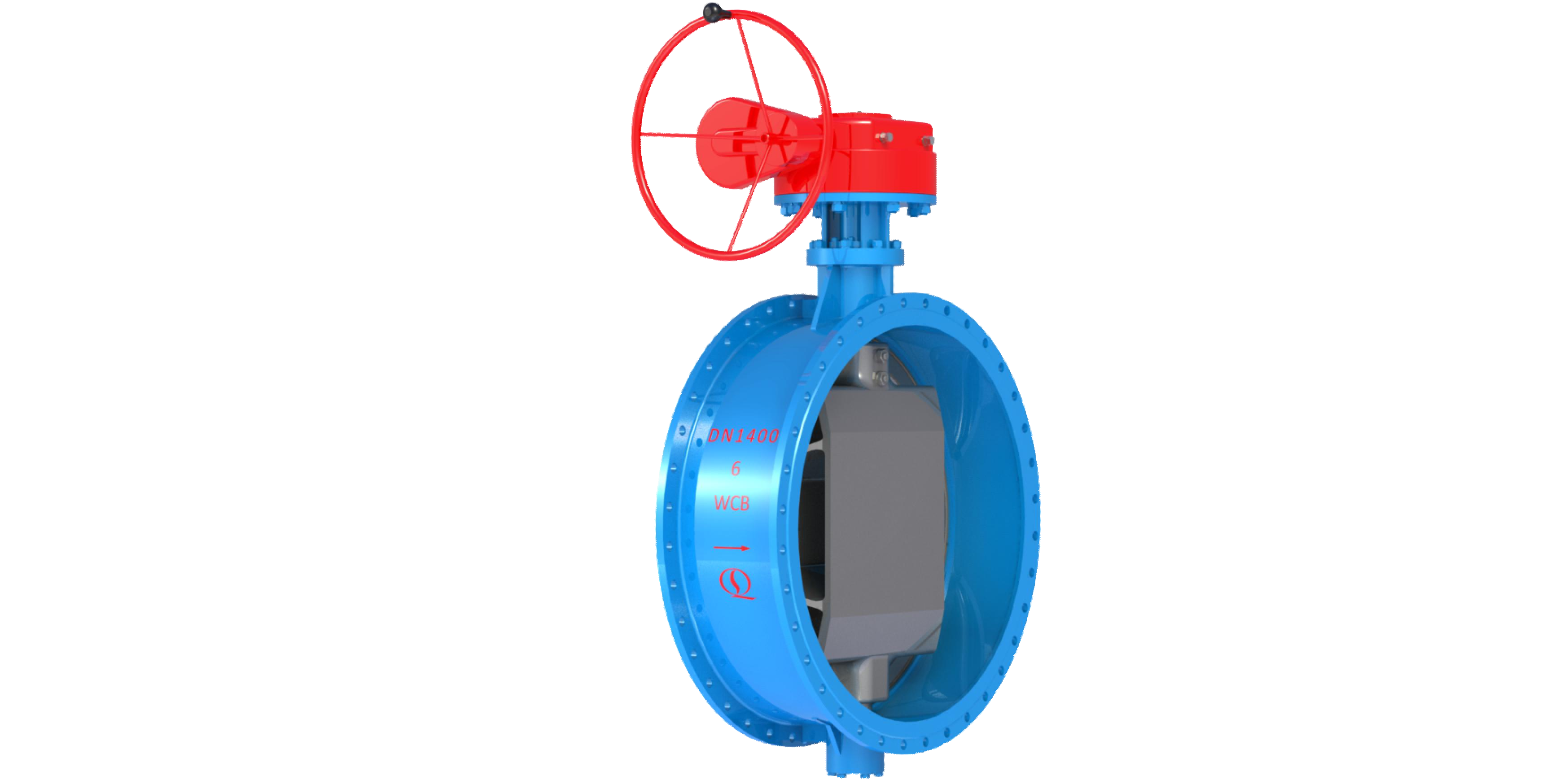
Bidirectional Metal Hard Sealed Seawater Butterfly Valve
Henan Quanshun Flow Control Science & Technology Co., Ltd.