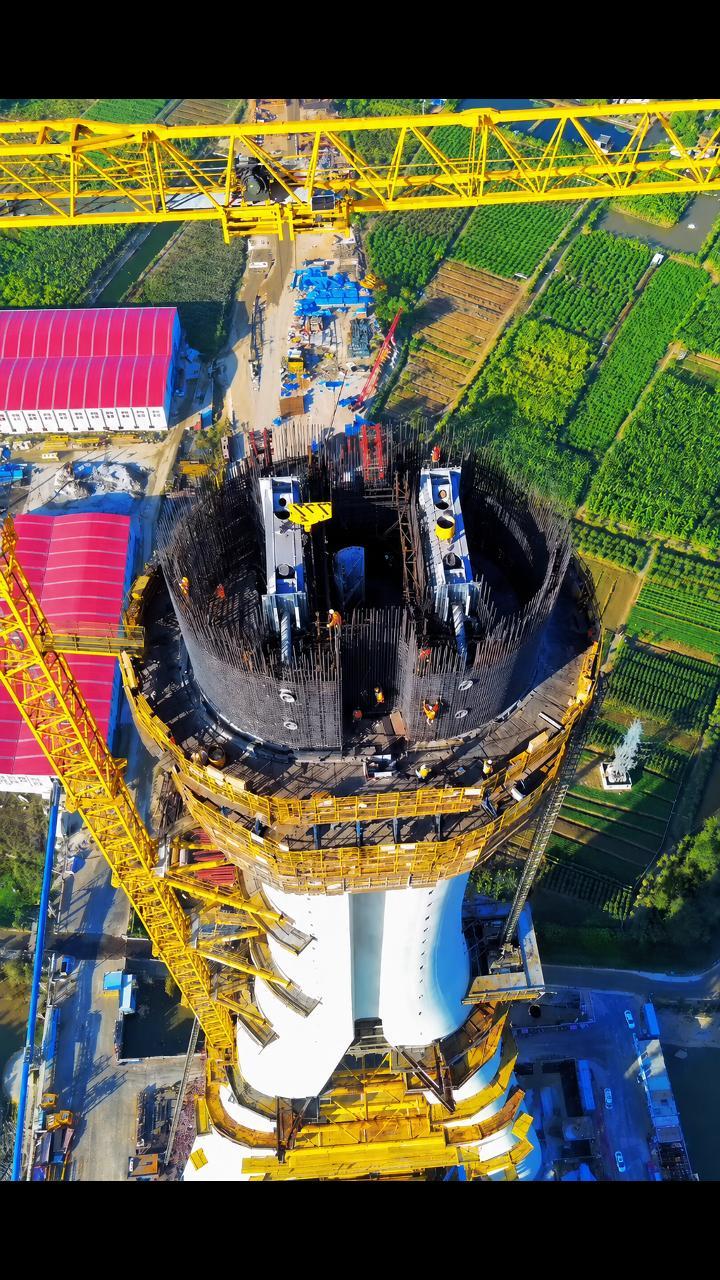
UK Civil Engineering Activity Index Falls to 22.1 in June, Lowest Since April 2020
en.Wedoany.com Reported - The UK government's plan to cancel some road projects to free up funds for defense spending has dealt another blow to construction contractors still mired in difficulties. The S&P Global UK Construction Purchasing Managers’ Index stood at 38.4 in June, slightly up from the six-year low of 38.2 recorded in May, but still well below the 50.0 no-change mark. Construction output has fallen month-on-month since January 2025, with the June decline being the second fastest since the outbreak of the COVID-19 pandemic.
By sub-sector, commercial building performed relatively better, with an index of 41.5 in June, the only category where the decline in activity narrowed compared to the previous month. The residential building activity index fell to 35.9, marking the largest drop since 2026; the civil engineering activity index dropped to 22.1, the lowest level since April 2020.
Companies generally reported headwinds including sluggish home sales, high interest rates, tight consumer finances, and reduced business investment plans. Some firms also mentioned delays in infrastructure projects and fewer public sector tender opportunities, while viewing the energy market as one of the few positive areas. The decline in new orders was the smallest since March.
Supply chain pressures eased, with the extension of supplier delivery times being the smallest since March. Input price inflation also retreated from the near four-year peak recorded in May.
Optimism rebounded, with 38% of construction companies expecting business activity to increase over the next year, double the 19% expecting a decline. Industry confidence improved significantly from the six-month low seen in May. Tim Moore, Economics Director at S&P Global Market Intelligence, said that although confidence levels remain well below the long-term survey average, many respondents indicated that recent new contract awards and expectations of improved overall market conditions—often linked to upcoming public sector projects, larger infrastructure spending, and the restart of delayed projects—supported optimism.
Related Products
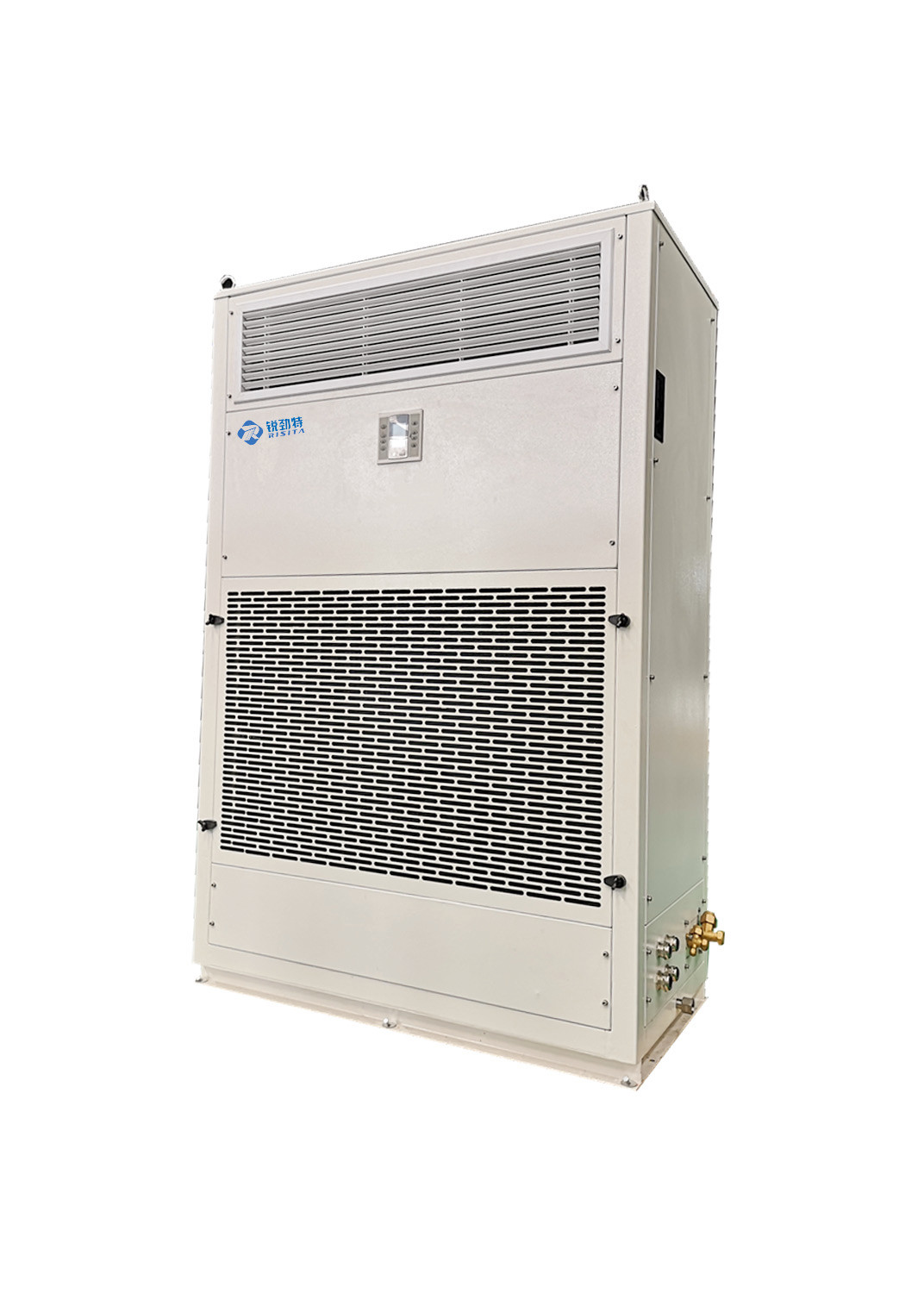

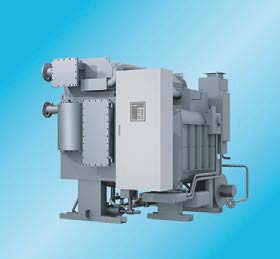
RISITA explosion-proof air conditioning
Guangdong RISITA Air Conditioning Equipment Co.,Ltd.
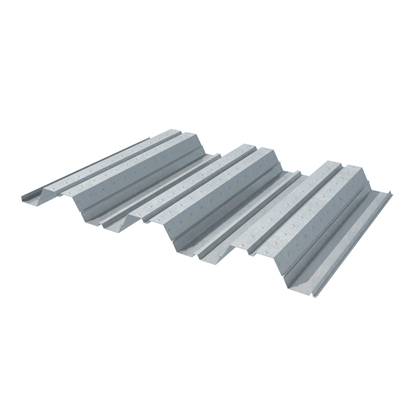
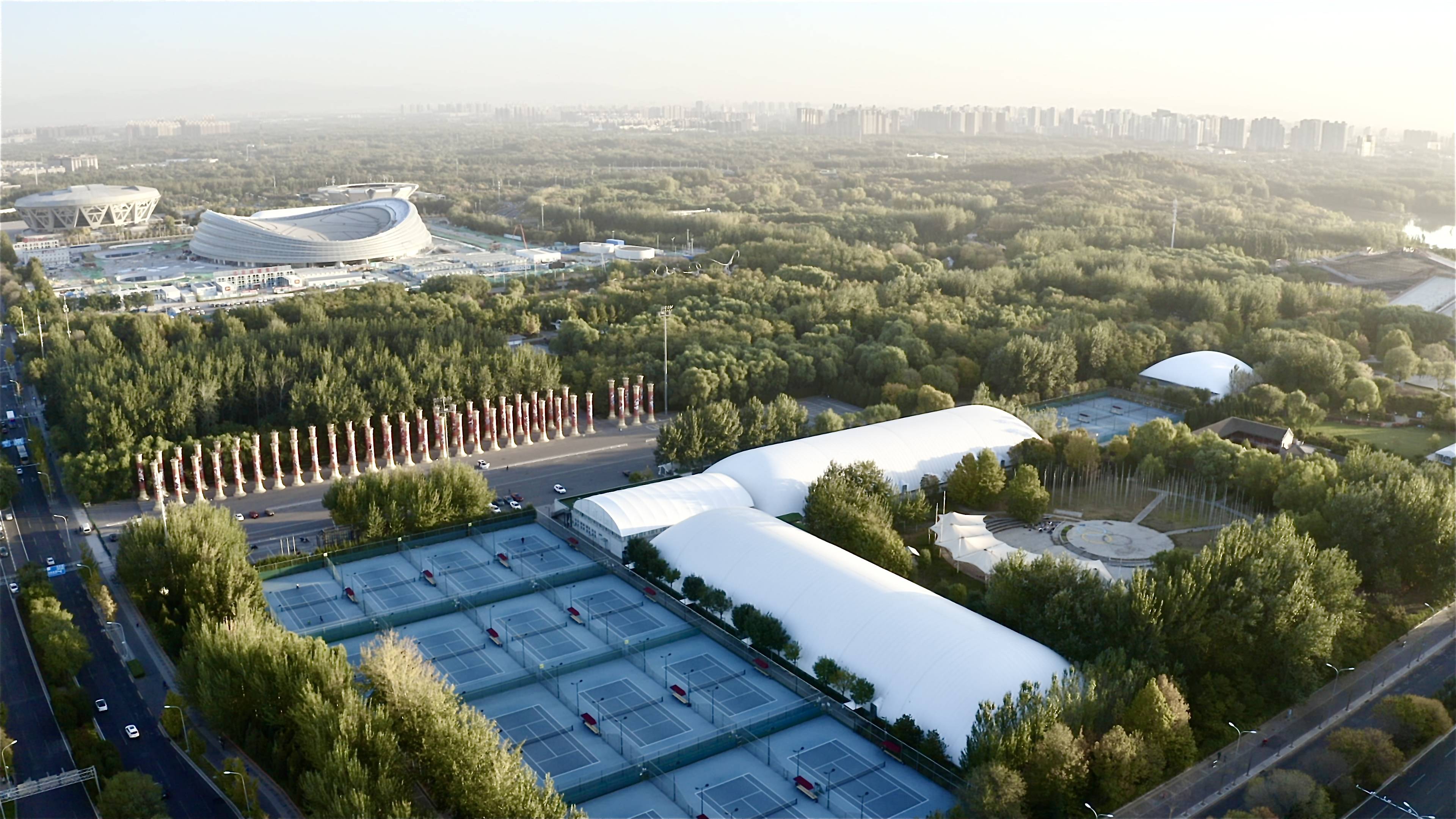
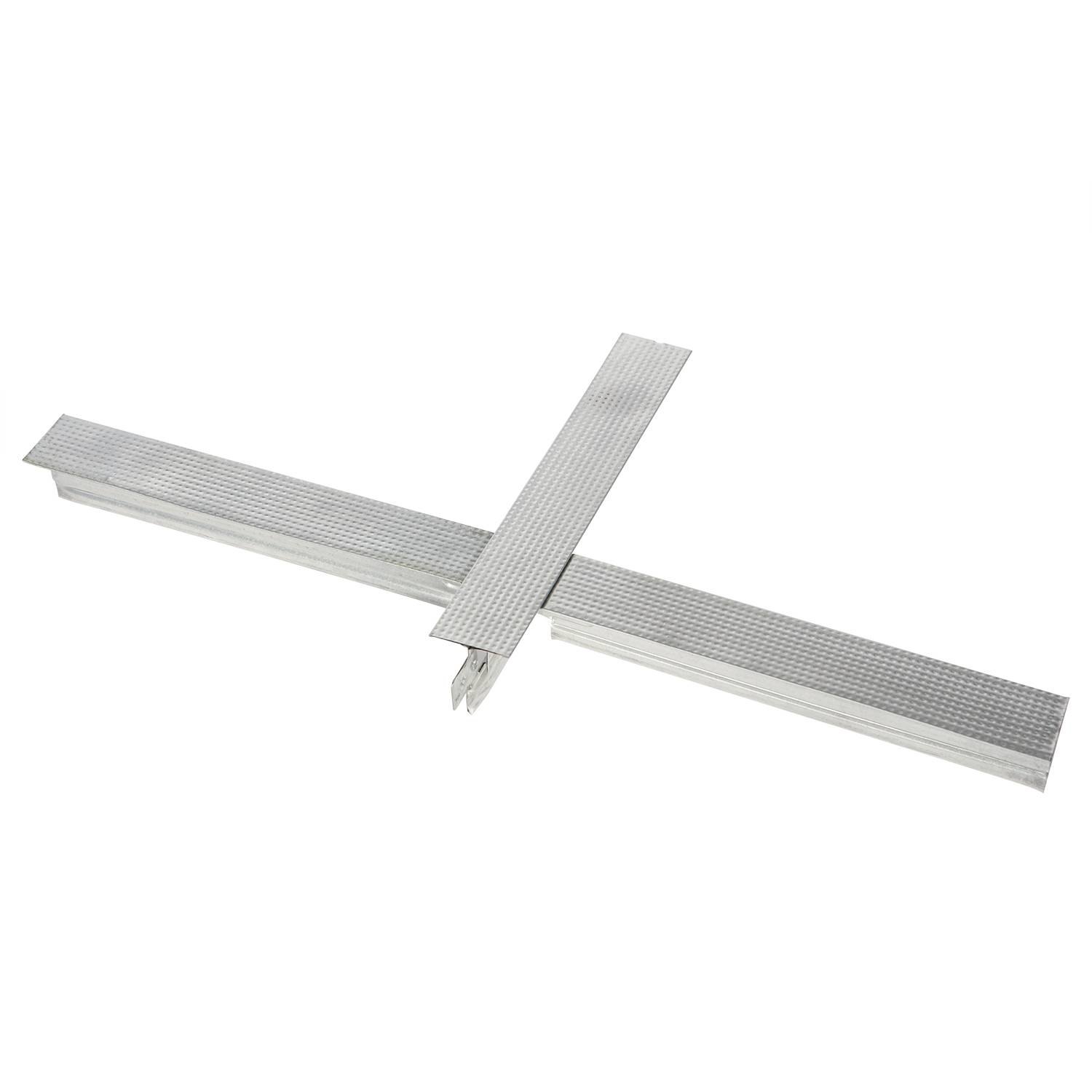
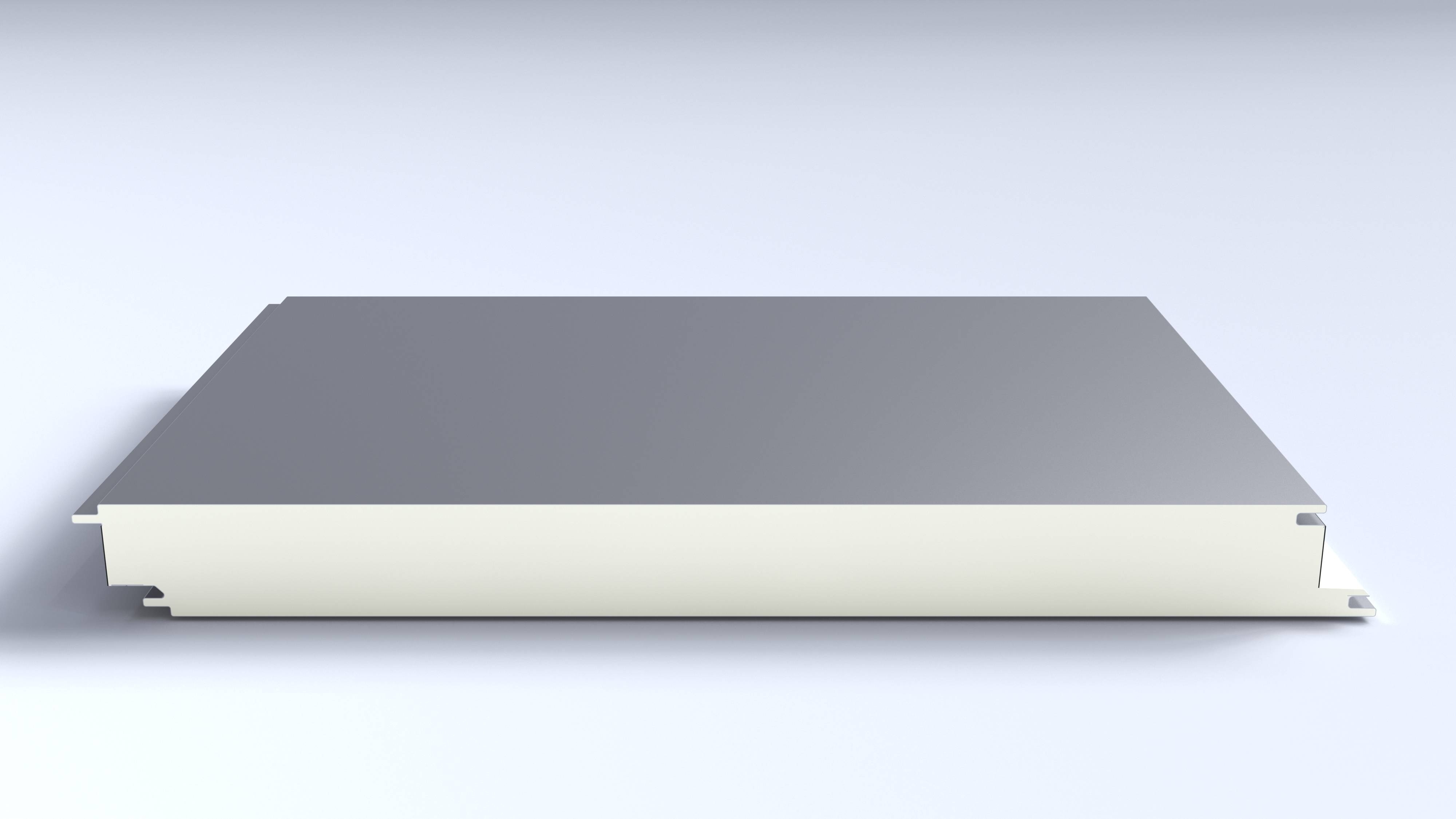
Pure Polyurethane Wall Panel BD-AEF-PIR-01
Baodu International Engineering Technology Co., Ltd.
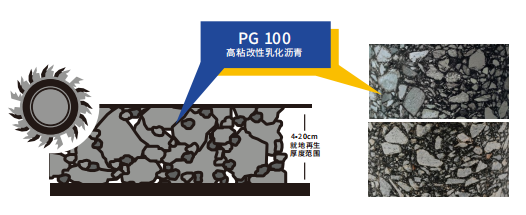
High-toughness in-Situ Cold Recycling Technology for Original Structural Layers
Central Fortune Creation Technology Group Co., Ltd.