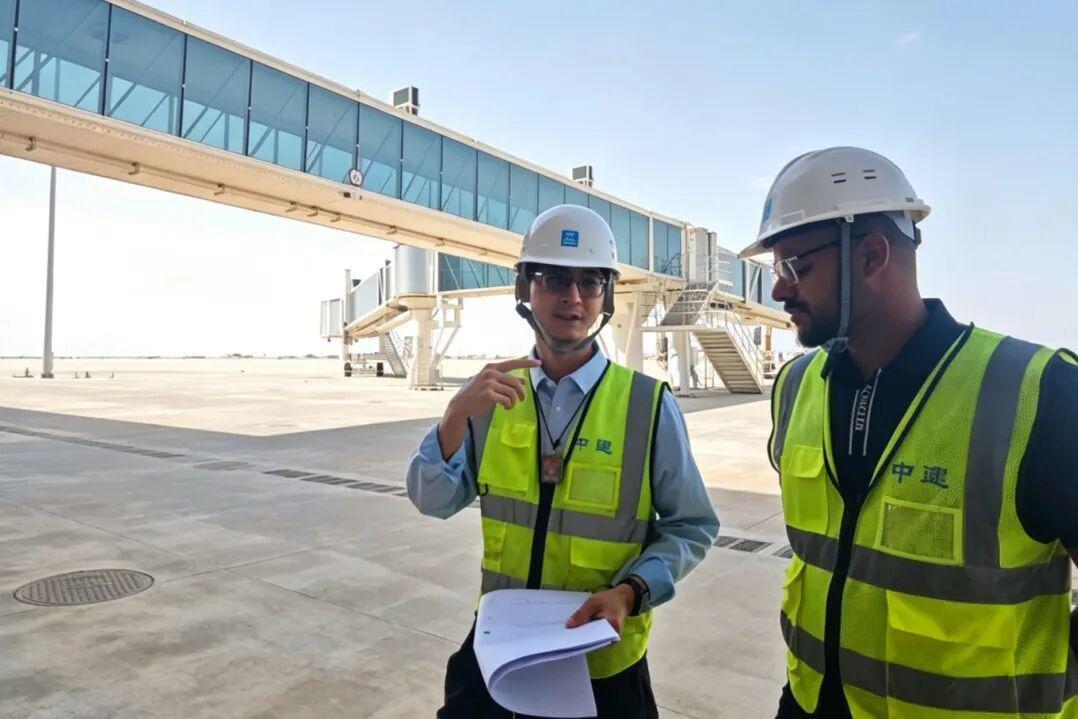
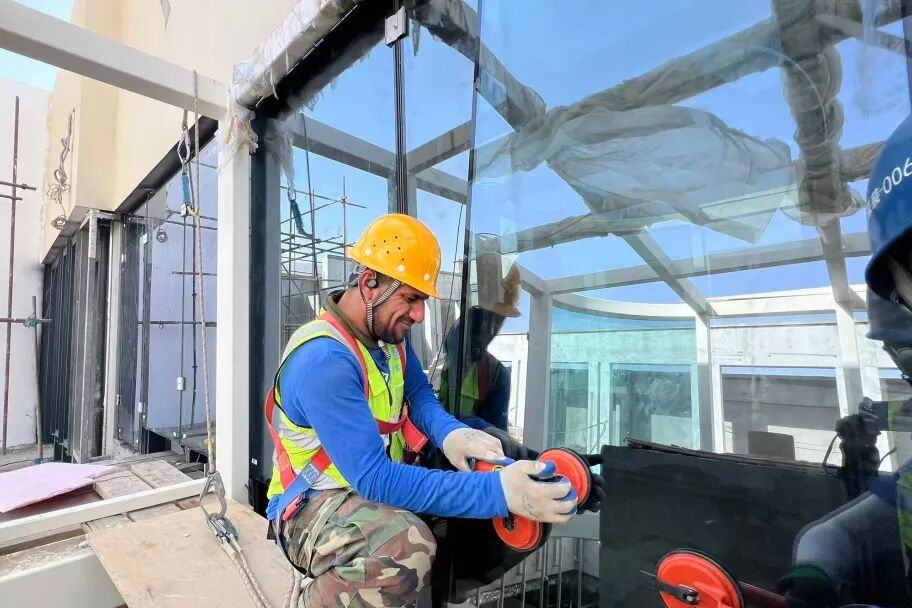
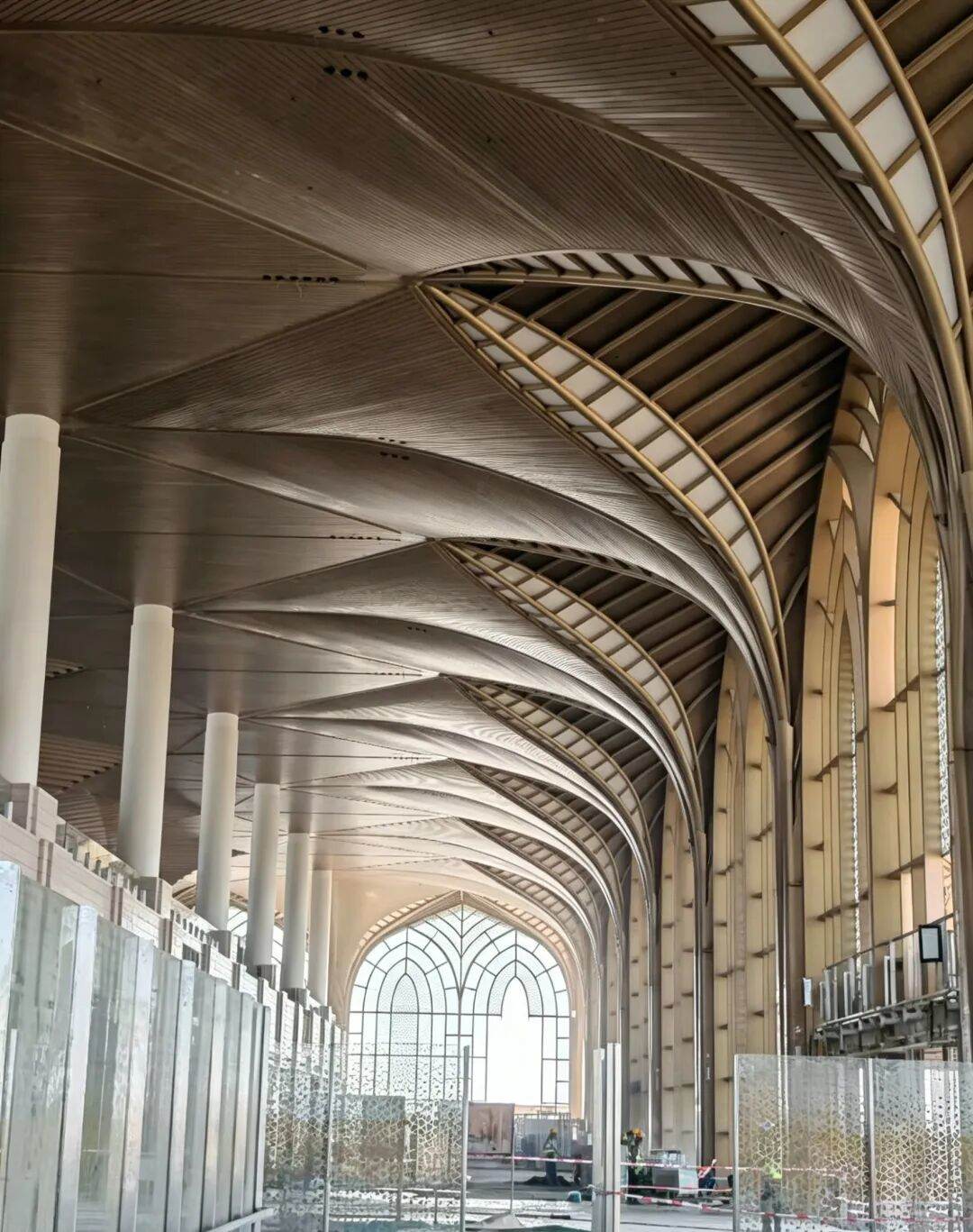
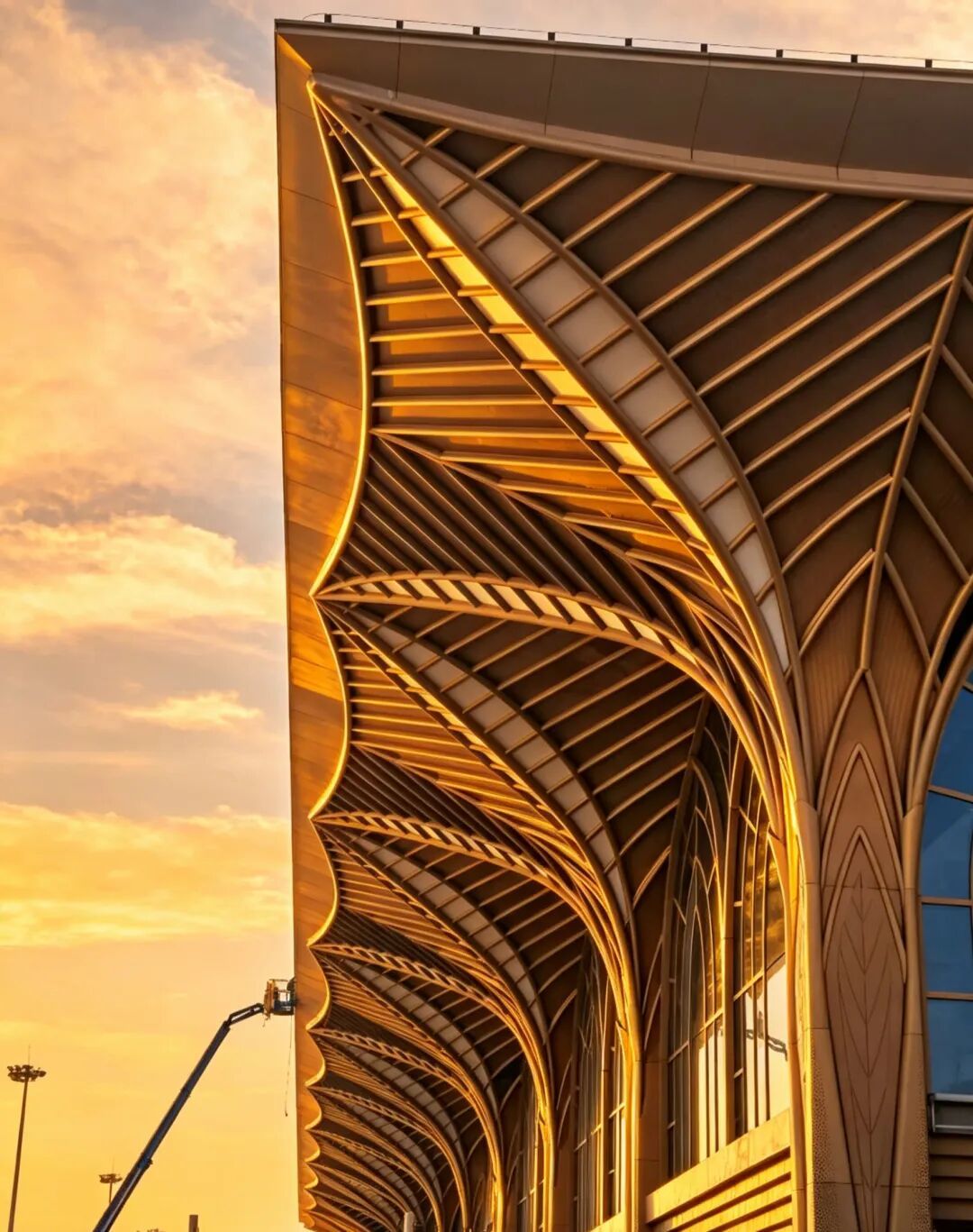
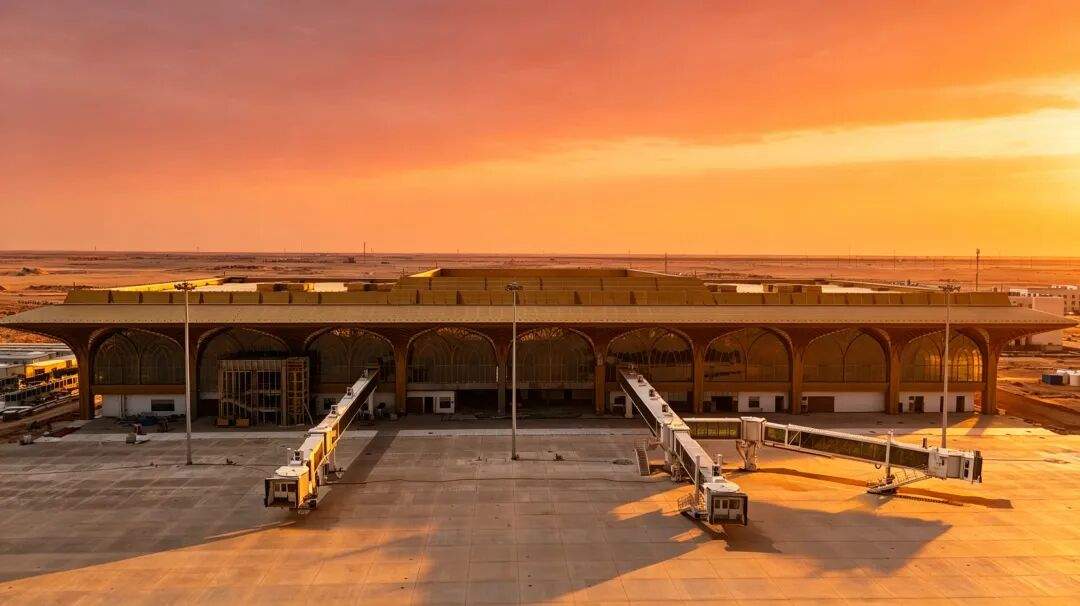
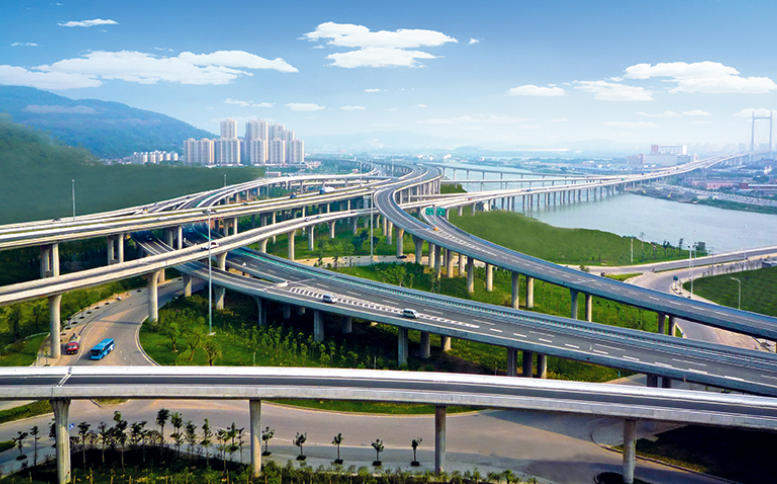
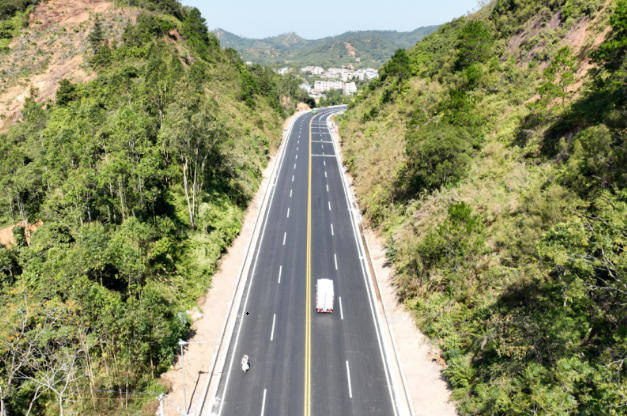
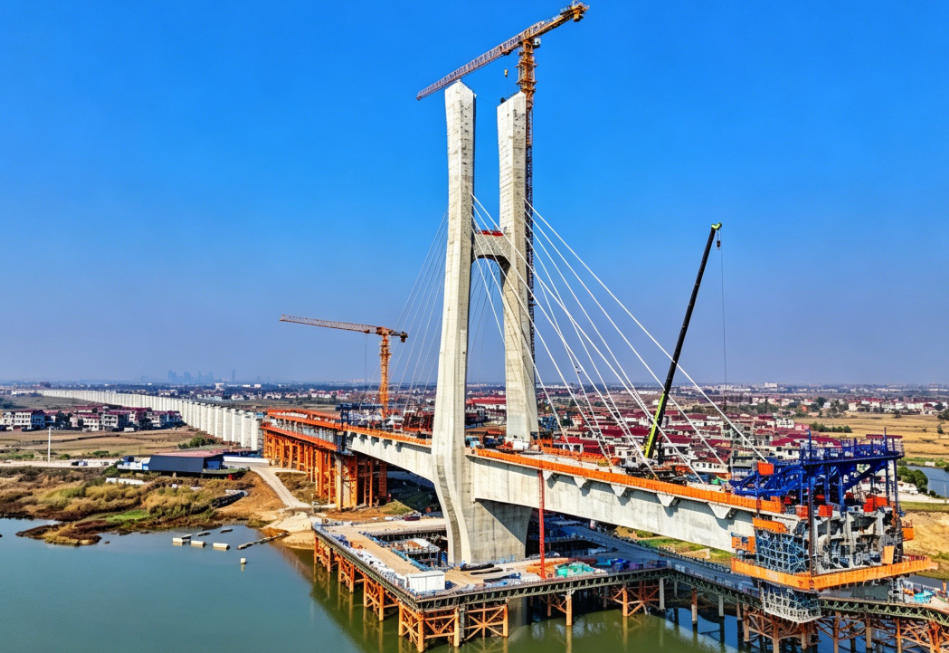
en.Wedoany.com Reported - China State Construction has completed the construction of a 54,000-square-meter date palm forest-themed curtain wall for the Nasiriyah Airport project in Iraq. The project, which received multiple on-site inspections from Iraqi Prime Minister Mohammed Shia' al-Sudani, overcame challenges such as labor shortages and supply disruptions. By organizing skill competitions between Chinese and Iraqi teams, implementing a 2mm joint tolerance standard, and adopting a local procurement strategy, the project resolved construction difficulties and cultivated a localized professional workforce.
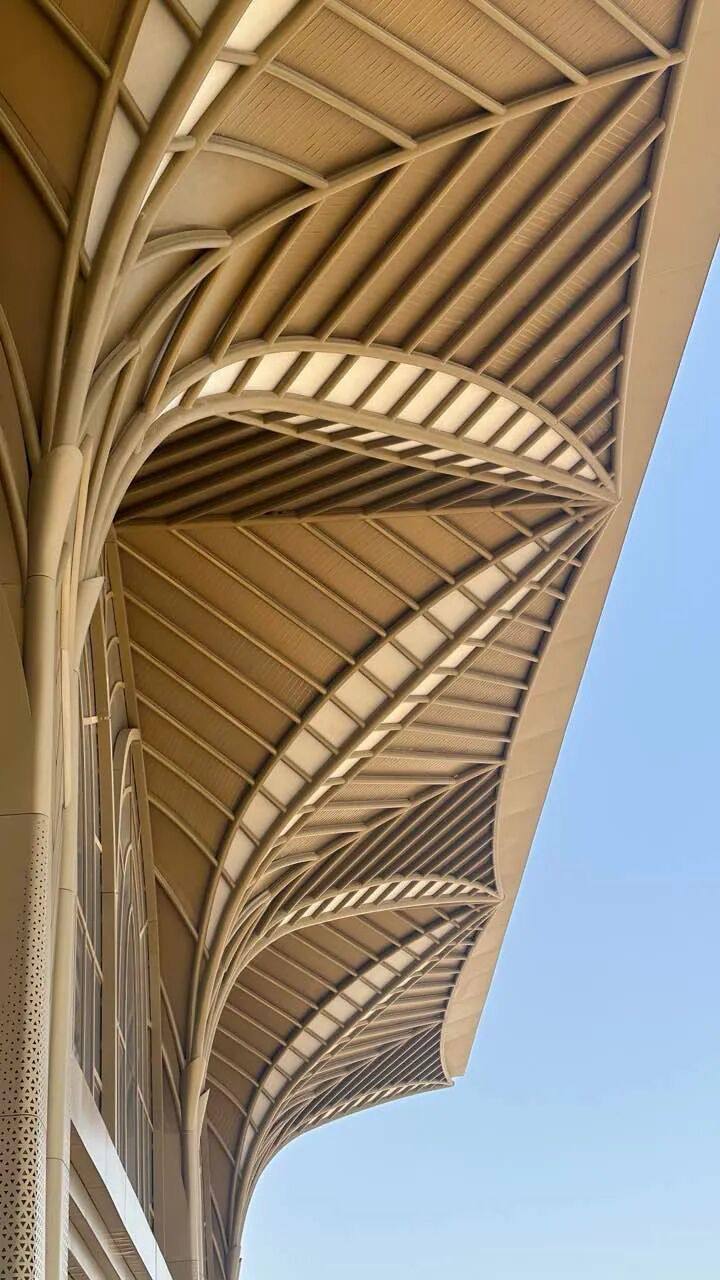
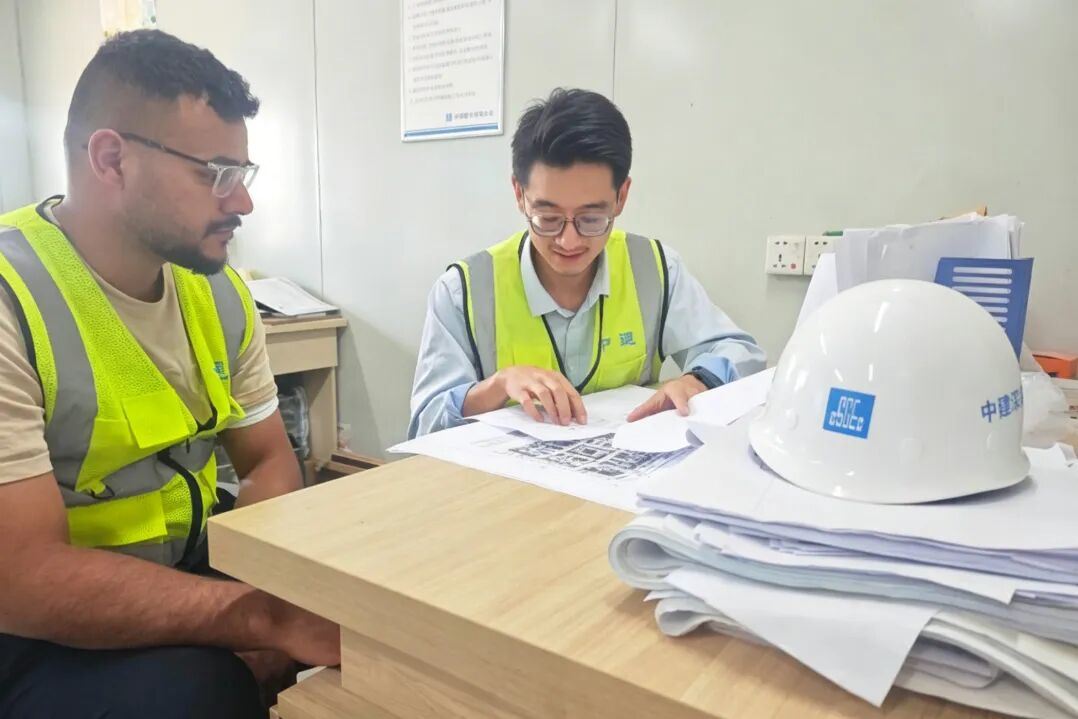
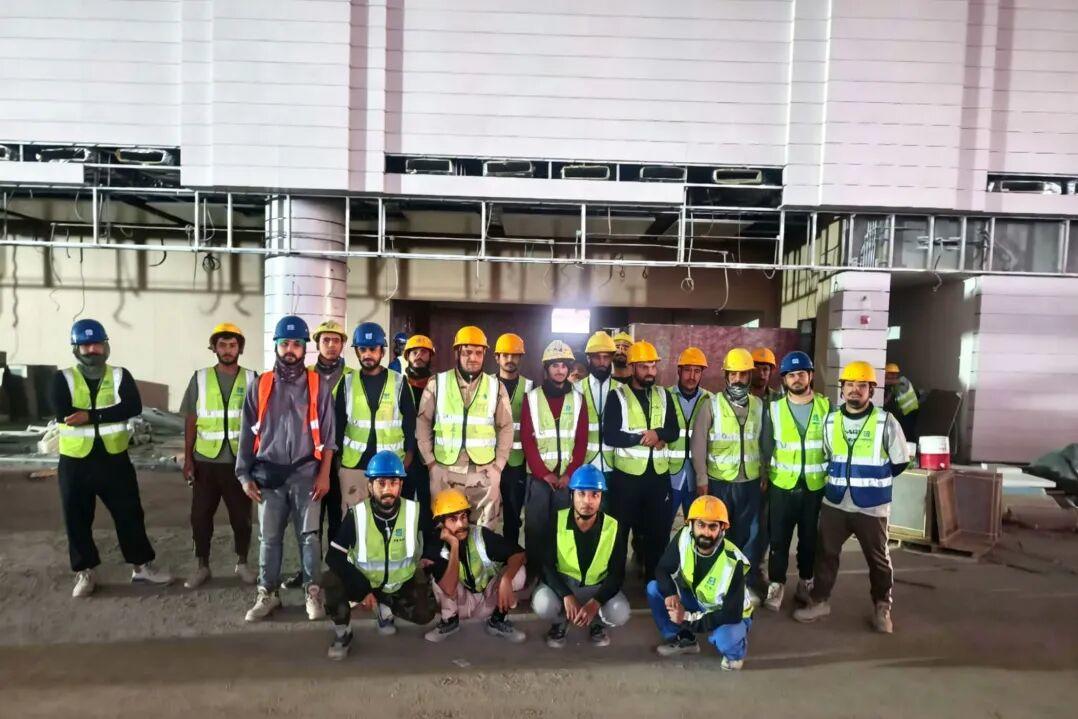
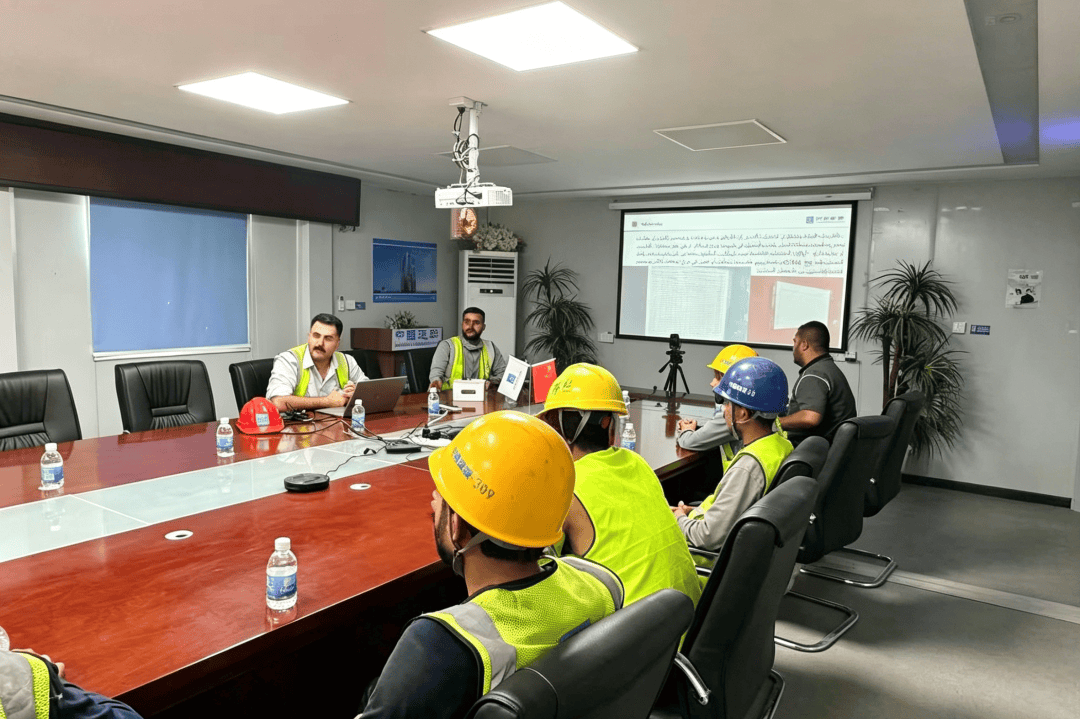
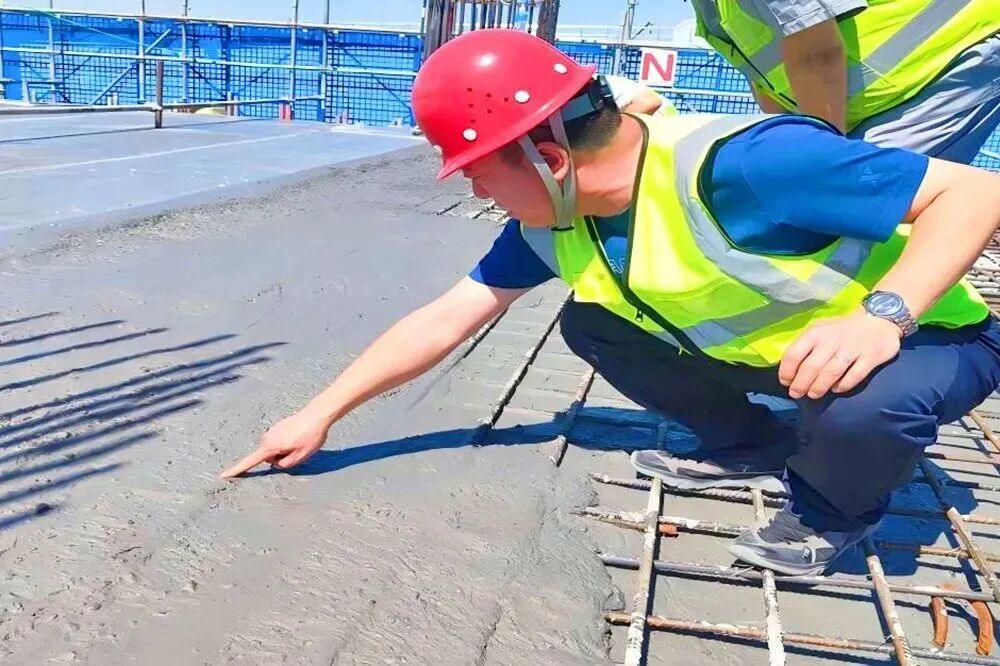
Constructed by China State Construction in Nasiriyah, the capital of Dhi Qar Governorate, this project is a key post-war livelihood project in Iraq. When the project entered the critical phase of installing the double-curved aluminum panels shaped like date palm trees, visa issues for workers from third countries led to a shortage of on-site labor. Local worker Hussein proactively proposed leading Iraqi local workers to undertake the construction tasks. After systematic technical training by the project department, the Chinese and local teams launched a month-long "Competition Under the Date Palms," competing in three dimensions: construction efficiency, installation precision (uniformly adhering to a joint tolerance standard of less than 2mm), and on-site safety. On the fifth day of the competition, the local team's first-pass acceptance rate rose from 60% to 92%. The project ultimately overcame the critical milestone on schedule, and the project quality passed the owner's acceptance. Throughout the construction, the ratio of Chinese to local workers was 1:5.
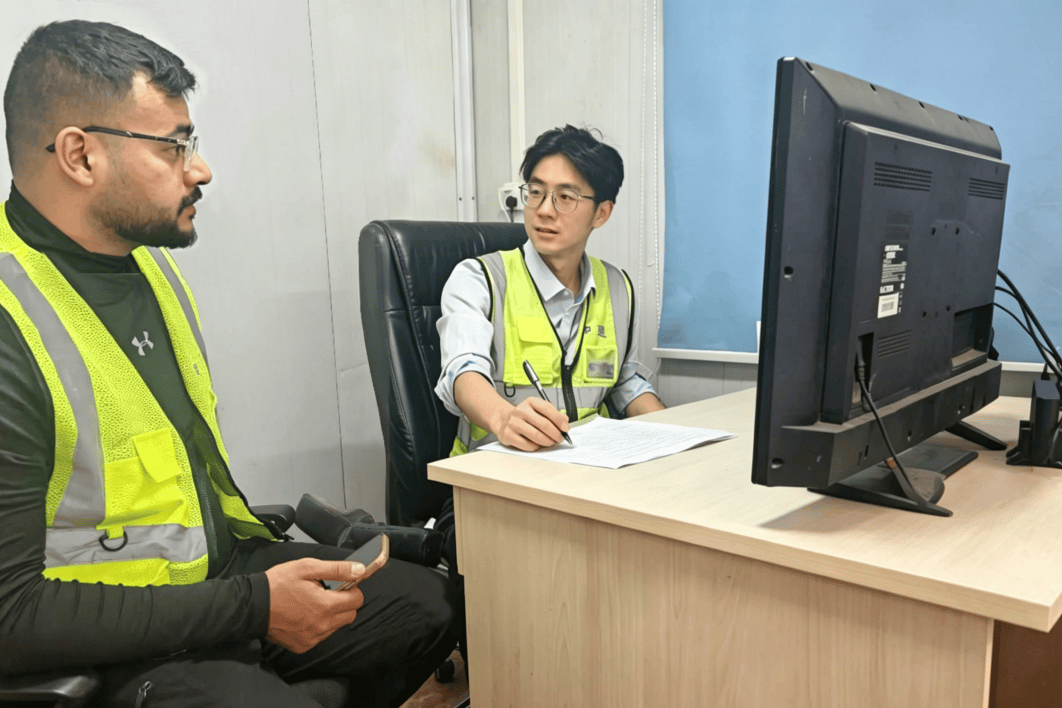
On February 28, 2026, the local situation changed abruptly. A radar station one kilometer from the construction site was damaged, and project supplies were disrupted due to the blockade of the Strait of Hormuz. Wei Changjie and Hussein urgently assessed the material shortages overnight and then traveled to Baghdad and Basra for local procurement. They eventually purchased a batch of welding equipment at normal market prices from a second-hand market in Basra, resolving the supply shortage.