India’s Wheat Stocks Highest in 3 Years, Rice Hits Record
Wedoany.com Report-May 1, India’s wheat reserves in government warehouses increased by 57% to a three-year high at the start of the new crop year in April 2025, according to official data. This rise alleviates concerns about supply shortages that had driven domestic wheat prices to record levels earlier this year.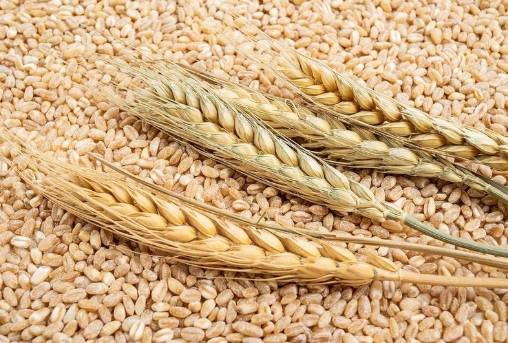
The increased wheat stocks are expected to help the federal government manage potential price increases later in 2025, even if the Food Corporation of India (FCI) falls short of its procurement goals. On April 1, wheat reserves in state warehouses reached 11.8 million metric tons, surpassing the government’s target of 7.46 million tons and exceeding last year’s stocks by over 4 million tons.
A New Delhi-based dealer at a global trading firm stated: “Even if they miss this year’s wheat buying target like they did last year, they’ll still have plenty to sell in the open market.” The FCI aims to procure 31 million tons of wheat from farmers in 2025, after purchasing 26.6 million tons in 2024 against a target of 30–32 million tons.
Poor harvests over the past three years and lower FCI purchases had previously driven up wheat prices, raising concerns that India might need to import wheat for the first time in seven years. However, the government has not yet approved imports. Wheat procurement in 2025 has begun strongly, with FCI purchases ahead of last year’s pace.
Rice reserves, including unmilled paddy, reached a record 63.09 million tons on April 1, significantly exceeding the government’s target of 13.6 million tons. These substantial rice stocks are likely to support increased exports without affecting domestic availability, according to trade and industry officials.
A leading exporter based in Kolkata noted: “The FCI is holding far more rice than needed. The government will now try to encourage exports to avoid buying more from the new season crop.” India, the world’s largest rice exporter, accounts for approximately 40% of global rice exports.
The robust wheat and rice reserves position India to maintain stable domestic supplies while potentially expanding its presence in the global rice market.
Related Products



4HS-8 High-efficiency Peanut Inverted-laying Harvester
Hebei Yongfa Hongtian Agricultural Machinery Manufacturing Co., Ltd.

Industrial and Commercial Point-Type Gas Detector
Jinan Benan Technology Development Co., Ltd.

714CD Series C-Band Weather Radar
Chengdu Zhongdian Jinjiang Information Industry Co., Ltd.