China's New Customs Rules Tighten Scrutiny on Exports of Machine Tools with Five or More Axes; China Surpasses Germany to Become World's Largest Machine Tool Exporter
en.Wedoany.com Reported - From January to May 2026, China's total outward direct investment reached 506.95 billion yuan, a year-on-year increase of 3%; in US dollar terms, it amounted to $73.36 billion, up 7.1%. Domestic investors made non-financial direct investments in 6,081 overseas enterprises across 142 countries and regions, with cumulative investments totaling 381.46 billion yuan, down 13.8% year-on-year (in US dollar terms, $55.2 billion, down 10.4%).
During the same period, 25,297 new foreign-invested enterprises were established nationwide, up 5.3% year-on-year; actual utilized foreign capital amounted to 327.29 billion yuan, down 8.6% year-on-year. In May alone, actual utilized foreign capital increased by 5.9% year-on-year. Manufacturing sector utilized 86.97 billion yuan in foreign capital, while the services sector utilized 234.15 billion yuan. High-tech industries utilized 130.14 billion yuan in foreign capital, up 19.4% year-on-year, accounting for 39.8% of the national total, an increase of 9.4 percentage points from the same period last year. Among these, actual utilized foreign capital in research and design services, computer and office equipment manufacturing, and electronic and communication equipment manufacturing grew by 96.2%, 29.7%, and 18.2%, respectively. Actual investment in China from Saudi Arabia, Malaysia, Switzerland, and the United States increased by 285.5%, 108.6%, 49.4%, and 17.3%, respectively.
In the first five months, the total value of goods trade imports and exports reached 20.68 trillion yuan, up 15.3% year-on-year, with imports rising 20.5% and exports rising 11.8%. Exports of electromechanical products increased by 18.4%, accounting for over 60% of total exports. Import volume hit a record high for the same period, with imports of high-tech products rising 31.2%, while bulk commodities and consumer goods also maintained rapid growth. Imports and exports with countries co-building the Belt and Road Initiative increased by 13.6%, accounting for over 51% of the total, with double-digit growth maintained with ASEAN, the EU, Africa, and Latin America.
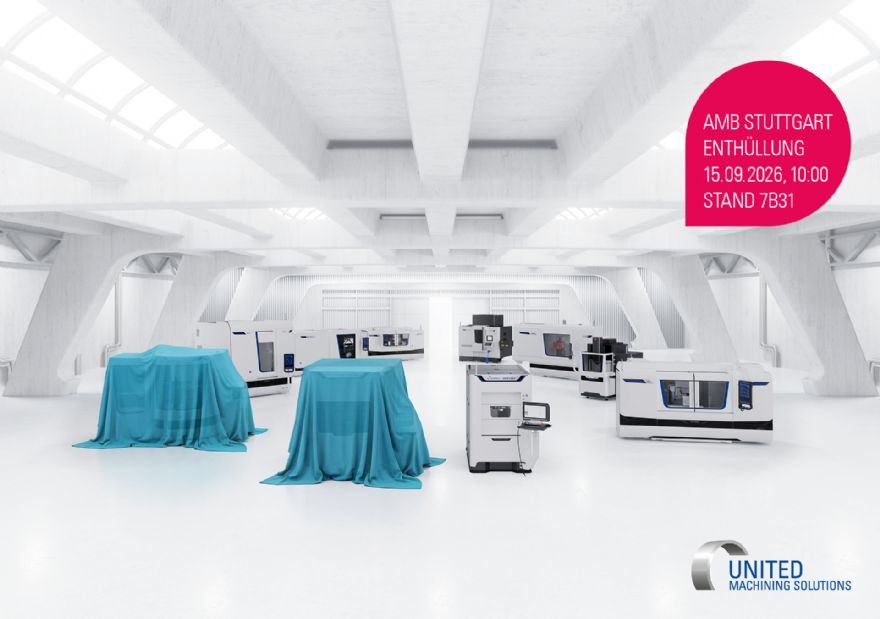
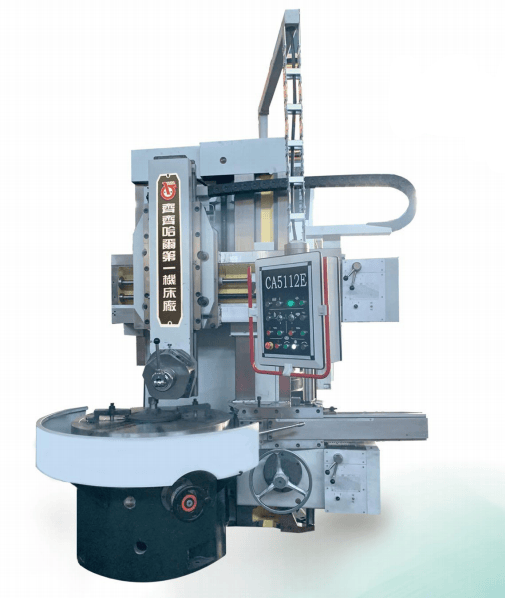
On June 5, the General Administration of Customs issued Announcement No. 77 of 2026, comprehensively regulating the export declaration rules for core industrial machine tools such as lathes, milling machines, and grinding machines. Two-axis and three-axis mainstream CNC machine tools are subject to per-order review; shipments to legitimate civilian enterprises with compliant uses can clear customs smoothly. Scrutiny is tightened for high-precision machine tools with five or more axes, as well as ultra-precision grinding machines and milling machines, requiring full traceability of equipment parameters, end users, usage scenarios, and subsequent circulation. The new rules take effect on June 30. According to 2025 data from the German Machine Tool Builders' Association, China's machine tool exports account for 21.6% of the global total, compared to Germany's 16.7%, making China the world's largest machine tool exporter, surpassing Germany. Basic manual lathes and single-axis ordinary machine tools are not affected.
The State Council's Regulations on Outbound Investment were officially published and will take effect on July 1. This administrative regulation integrates and improves existing systems for overseas investment approval, filing, and foreign exchange registration at a higher legal level, clarifying basic principles, management requirements, service guarantees, and legal responsibilities.
In the first five months of 2026, ASEAN's overall foreign trade maintained steady growth, but internal regional development showed significant divergence. Vietnam ranked first in ASEAN in import and export growth, followed by Malaysia in second place and the Philippines in third. Leveraging its advantages in electronic processing and electromechanical product exports, Vietnam led the region in trade volume growth; Malaysia saw ample overseas orders for electronic and electrical products and petrochemicals, with favorable bulk commodity markets; the Philippines experienced a recovery in semiconductor exports. Uruguay's export value in the first five months reached $5.271 billion, up 3% year-on-year, with China as its largest export market; May's monthly export value was $1.142 billion, down 3% year-on-year. Colombia's April import value was $6.709 billion, up 15.8% year-on-year, with a cumulative total of $24.515 billion in the first four months, up 11.2% year-on-year. China is Colombia's largest source of imports, accounting for 25.7% of Colombia's total imports in April, with growth in imports from China mainly driven by products such as passenger motor vehicles, computers, motorcycles, and engineering machinery equipment.
As of May 1, 2026, the number of Chinese enterprises in Uzbekistan reached 5,615, accounting for 28.8% of total foreign enterprises, ranking first among foreign investment source countries; Russia followed with 3,308, and Turkey with 2,216. South Korea's manufacturing business sentiment index rose to 100.8 in May, returning to an optimistic range for the first time in 3 years and 9 months, while the all-industry business sentiment index rose to 98.9, the highest since October 2022. Vietnam's manufacturing PMI reached 52.8 points in May, the highest since February 2026, up from 50.5 points in April, with new orders resuming growth.
According to the latest report from the African Development Bank, Morocco has become Africa's leading industrial economy, surpassing South Africa, with continued development in automotive manufacturing, aerospace, and renewable energy technology sectors. Colombia's April industrial production grew by 3% year-on-year, maintaining positive growth for the third consecutive month; electricity and gas supply grew by 4.9%, water supply and treatment by 4.7%, mining and quarrying by 4.6%, and manufacturing by 2%. The industrial index for the first four months grew by 1.2% year-on-year, with mining and quarrying declining by 2.8% cumulatively, manufacturing growing by 3.2%, electricity and gas supply by 3.6%, and water supply and treatment by 3.2%. Thailand's industrial confidence index fell for the third consecutive month, dropping from 85.3 in April to 84.7 in May. The manufacturing production index fell to 92.76 points in April, down 0.36% year-on-year, with output in general machinery down 12.9%, palm oil production down 16.1%, and fertilizer and nitrogen compound production down 28%. Major Thai business groups still raised their 2026 economic growth forecast to between 1.6% and 2.0%.
The Japanese Chamber of Commerce and Industry in China released the "2026 White Paper on China's Economy and Japanese Enterprises." Chairman Tetsuro Honma stated that approximately 85% of Japanese companies in China choose to remain in the Chinese market. Japanese companies have over 70,000 overseas branches globally, of which 30,000 are located in China. 21.3% of Japanese companies in China plan to expand their business in the next one to two years, while 64.3% choose to maintain their current scale. In May, China exported 446,000 new energy vehicles, up 3.8% month-on-month and 1.1 times year-on-year; cumulative exports from January to May reached 1.833 million units, up 1.1 times year-on-year. Automobile exports totaled 930,000 units, up 3.1% month-on-month and 68.7% year-on-year. In April, Chinese auto brands accounted for over 15% of European pure electric vehicle market sales for the first time, with sales reaching 38,281 units, more than doubling year-on-year; their market share in plug-in hybrid electric vehicles approached 29%.
Stephan Weil, Minister-President of Lower Saxony, Germany, suggested that the Volkswagen Group could produce models co-developed with Chinese partners in Germany to bring additional capacity back to Europe. The first Chinese-made electric articulated bus has arrived in Bogotá, Colombia, with nine more from the same batch in transit, and over 700 more expected to be put into operation subsequently. The Vietnamese government issued Resolution No. 202/2026/NĐ-CP, extending the exemption of first-time registration fees for pure electric vehicles until December 31, 2030, after which fees will be charged at half the rate for gasoline and diesel vehicles of the same seat count for the following two years. South Africa plans, through the International Trade Administration Commission, to include battery materials such as rare earths, iron, lithium, graphite, copper, and cobalt in its automotive industry incentive plan, requiring 50% local sourcing and value addition. The Colombian government published a draft decree implementing zero tariffs on completely knocked down and semi-knocked down assembly models to promote local assembly of electric and hybrid vehicles, and plans to require taxis replaced through scrappage and renewal to be pure electric models. Electric vehicle sales in Bolivia have grown significantly, with notable sales from BYD, ION TT, Hyptec HT, and local brand Quantum, along with growth in electric motorcycles and electric three-wheelers. Vietnamese electric vehicle maker VinFast is collaborating with Nvidia and Israeli AI company Autobrains to develop Level 4 autonomous taxis for the Southeast Asian market.
India's Ministry of Commerce and Industry issued an amendment to the Air Conditioner Quality Control Order, introducing revised provisions for the import of hermetic compressors for refrigeration, air conditioning, and heat pumps, effective May 8, 2026. The International Organization for Standardization published ISO 16079-1:2026, "Condition monitoring and diagnostics of wind turbines — Part 1: General guidelines," providing guiding principles for fault mode detection, diagnosis, and prediction methods. The European Parliament approved EU circular economy regulations, requiring that plastics used in new cars contain at least 15% recycled plastic within six years and 25% within ten years, with at least 20% of the recycled plastic coming from the recycling of end-of-life vehicles or old parts; from five years after the new rules take effect, the export of vehicles deemed unfit for road use is prohibited; three years later, an extended producer responsibility system will be introduced, with manufacturers bearing the costs of collecting and processing end-of-life vehicles. The European Commission has completed policy work on imposing additional countervailing duties on Chinese plug-in hybrid electric vehicles, which will be implemented after a majority of member states vote in favor. The European Commission is studying ways to reduce dependence on China through supply chain diversification and is considering greater use of safeguard measures in trade to address the surge in imports from China.
Related Products
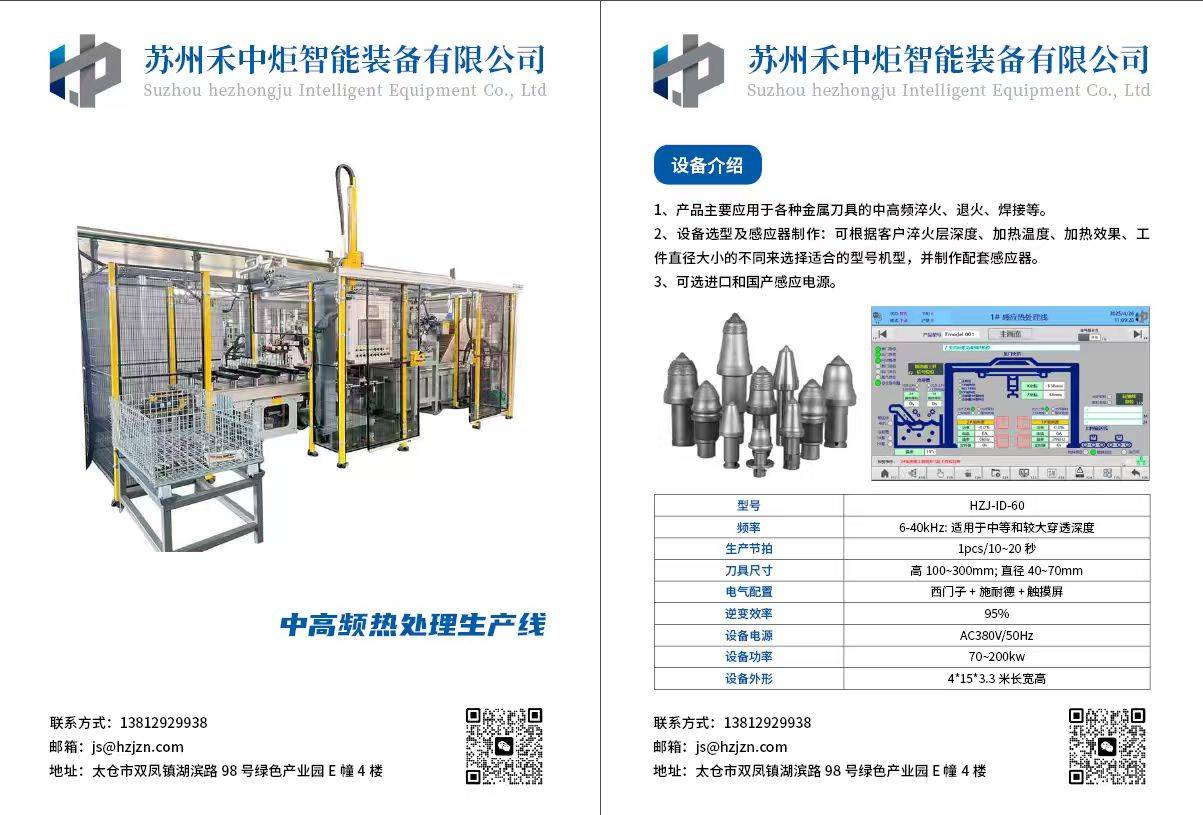

Excavator Bucket Teeth Heat Treatment Production Line
Suzhou Hezhongju Intelligent Equipment Co., Ltd.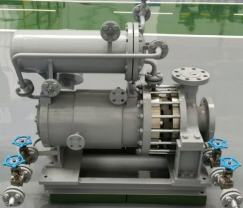
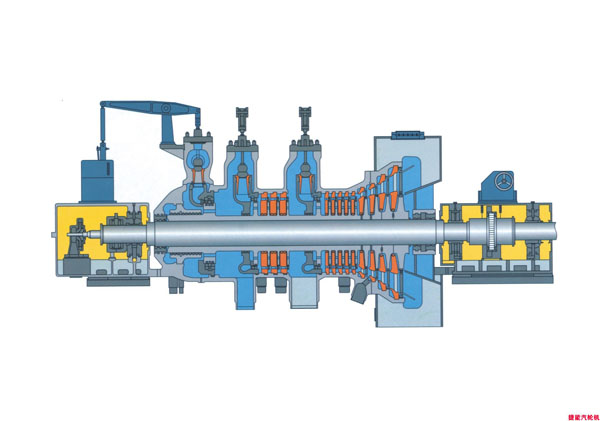
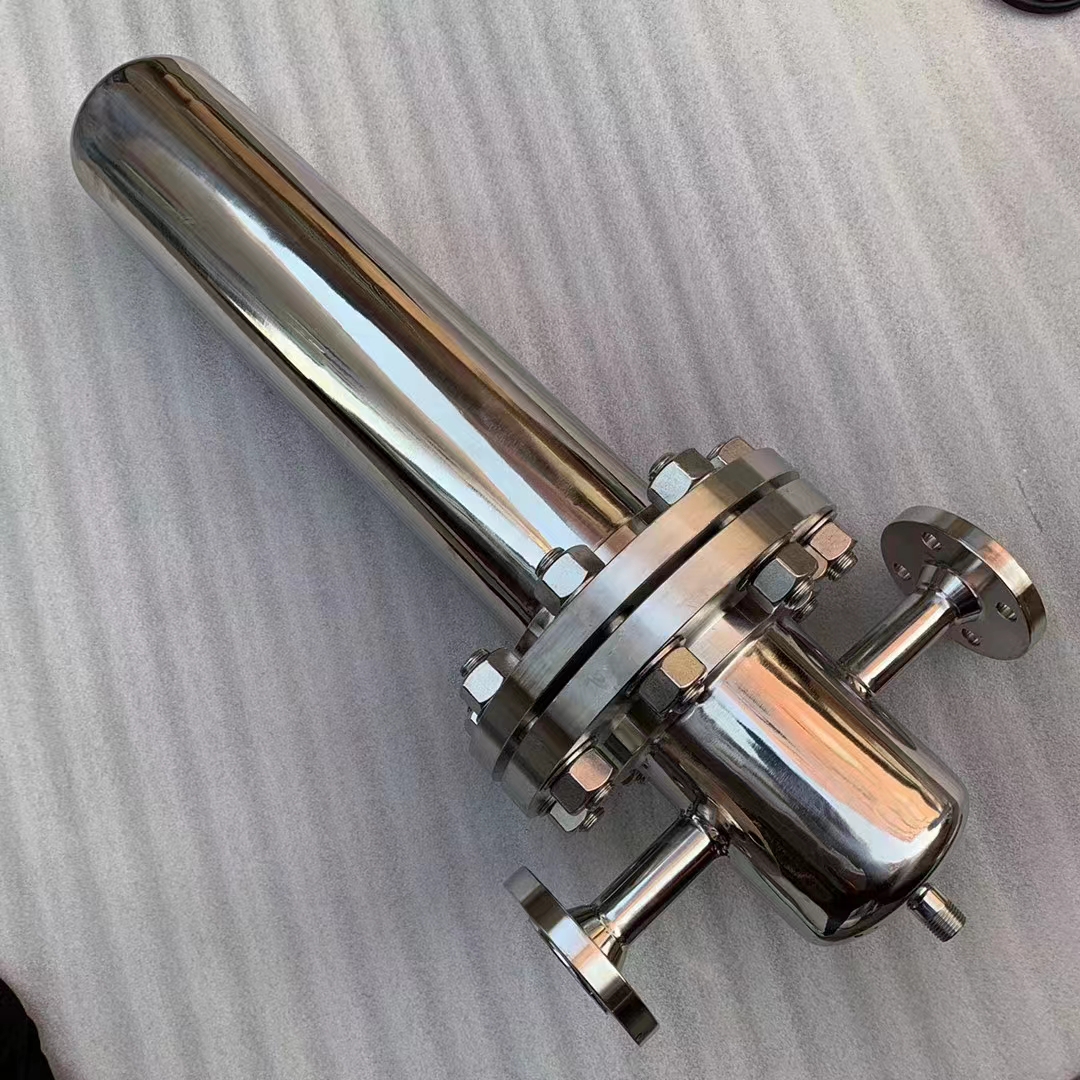
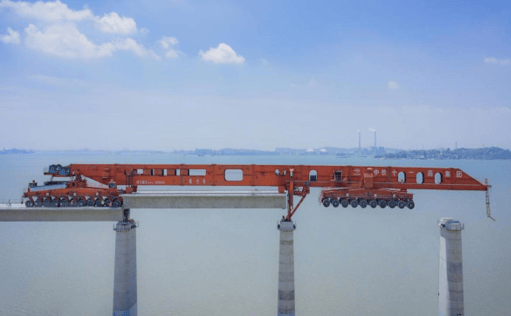
High-Speed Railway Lifting, Transporting, and Erecting Equipment: Integrated Transport and Erection Machine
Hanjiang Heavy Industry Co., Ltd. of China Railway 11th Bureau Group

Pneumatic high-pressure wear-resistant ball valve
Zhejiang Deca Control Valve Meter Co., Ltd.
Industrial and Commercial Point-Type Gas Detector
Jinan Benan Technology Development Co., Ltd.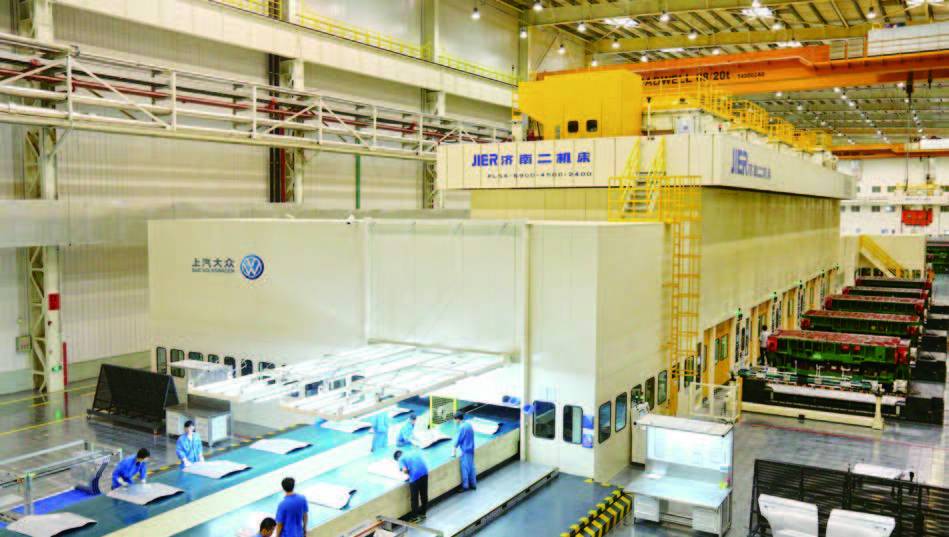
High-Speed Flexible Fully Automatic Stamping Production Line
JIER Machine-Tool Group Co., Ltd.