Rockwell Automation Launches Bulletin 140ME Motor Protection Switch Disconnect
en.Wedoany.com Reported - Rockwell Automation has launched the Bulletin 140ME Motor Protection Switch Disconnect (MPSD), integrating electrical disconnection, magnetic short-circuit protection, electronic overload protection, and manual switching operation into a single compact hardware unit for branch circuit protection in industrial motor control systems.
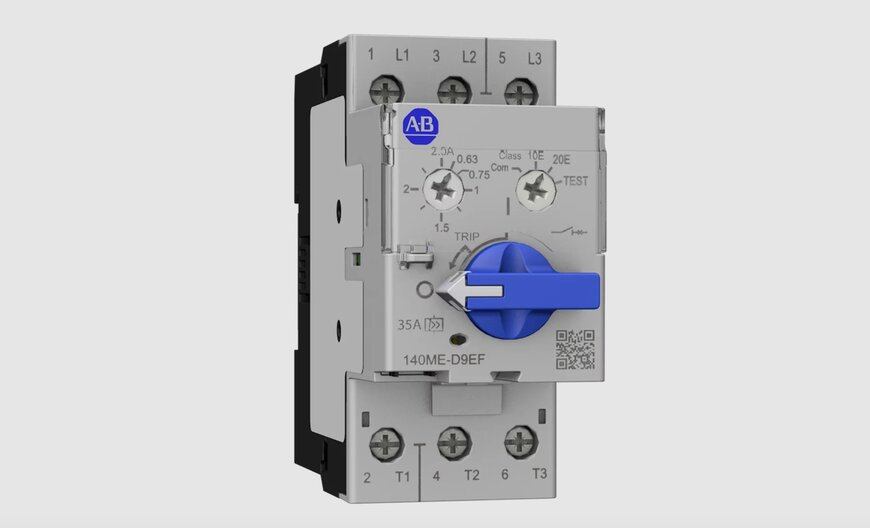
This device provides protection against motor operating hazards such as thermal overload, phase loss, and high-current short circuits. By consolidating multiple protection and control functions within the same physical framework, the 140ME reduces internal control panel complexity and minimizes point-to-point electrical wiring efforts, thereby shortening installation time. The device features a clear fault status indicator and predictable trip characteristics, helping operators quickly identify electrical faults, accelerate system reset, and stabilize production operations. Its compact size allows panel manufacturers to optimize space utilization within standard electrical enclosures while maintaining terminal accessibility and ensuring safe isolation.
The 140ME is a core component of Rockwell Automation's branch motor control and protection series. This switch disconnect can be used in conjunction with the 100-E contactor, 140MT motor protection circuit breaker, and E100 electronic overload relay to achieve selective coordination and physical alignment between components. The 100-E contactor handles high-frequency motor switching and line isolation, the 140MT circuit breaker provides magnetic short-circuit and thermal protection, and the E100 relay performs precise current monitoring and overload detection. This integrated component alignment forms a unified motor control architecture, simplifying panel layout, enhancing circuit protection effectiveness, and improving component coordination in distributed configurations, ensuring consistency in engineering processes from design and assembly to on-site commissioning.
When integrated with Rockwell Automation's EtherNet/IP cabinet solutions, the functionality of the 140ME is further expanded. Through a communication module installed on the 100-E contactor, network connectivity extends to the 140ME switch. This digital interface transmits real-time diagnostic data, component health indicators, and operating parameters directly to the central EtherNet/IP network, enabling manufacturers to continuously monitor motor status, quickly locate anomalies, and implement predictive maintenance from a centralized control system. This network solution replaces traditional complex hardwiring with flat media cables, building a scalable and interconnected motor control framework that adapts to the evolving needs of automated factories.
The Motor Protection Switch Disconnect (MPSD) replaces the three-component motor starter consisting of a separate disconnect switch, branch fuses, and electromechanical thermal overload relay with an integrated solid-state unit. The 140ME complies with IEC 60947-2 and IEC 60947-4-1 standards, utilizing mechanical contacts and microprocessor-controlled measurement transformers to provide adjustable protection parameters. The electronic overload detection circuit continuously monitors three-phase current waveforms. When an asymmetric drop caused by phase loss occurs, the electronic trip unit responds in milliseconds, preventing overheating of the stator windings in three-phase induction motors.
Device access to the digital network relies on a Single Pair Ethernet (SPE) backbone within the control panel rail. Traditional cabinet components require connection to a centralized module via point-to-point digital and analog I/O wiring, which is labor-intensive and error-prone. The EtherNet/IP cabinet solution replaces this with an ODVA-certified 7-conductor flat cable that simultaneously distributes 24V DC power and high-speed industrial Ethernet communication over a single bus. The communication module on the 100-E contactor acts as a local gateway, reading data such as historical trip logs, thermal utilization, phase current imbalance, and contact wear from the 140ME, and transmitting it via Common Industrial Protocol (CIP) objects to Studio 5000 Logix Designer software, enabling synchronization of automation control and asset management cycles without the need for additional field transceivers.
Related Products
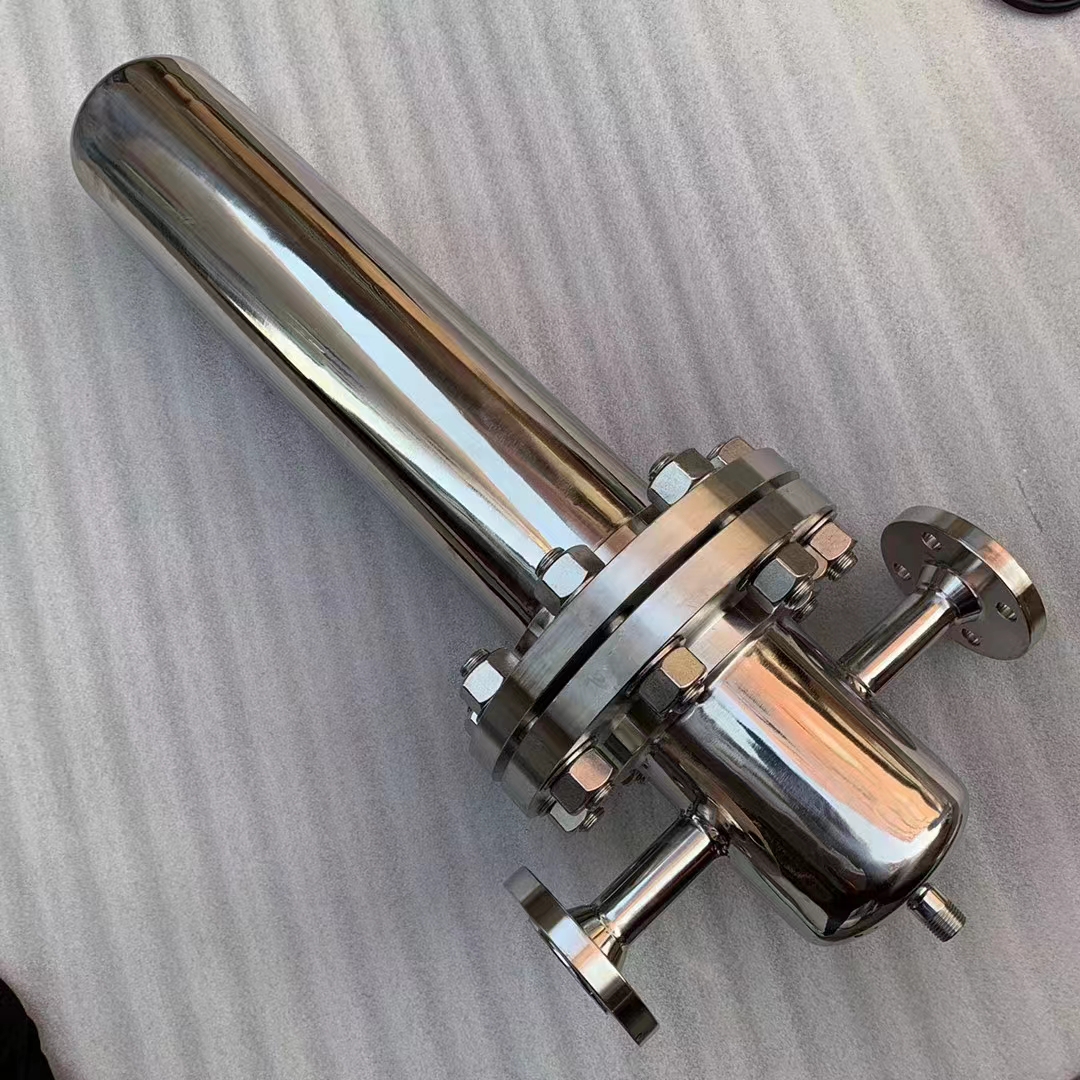



CAP1400 main feedwater flow nozzle flowmeter.
Jiangsu Hongda Instrument Technology Co., LTD.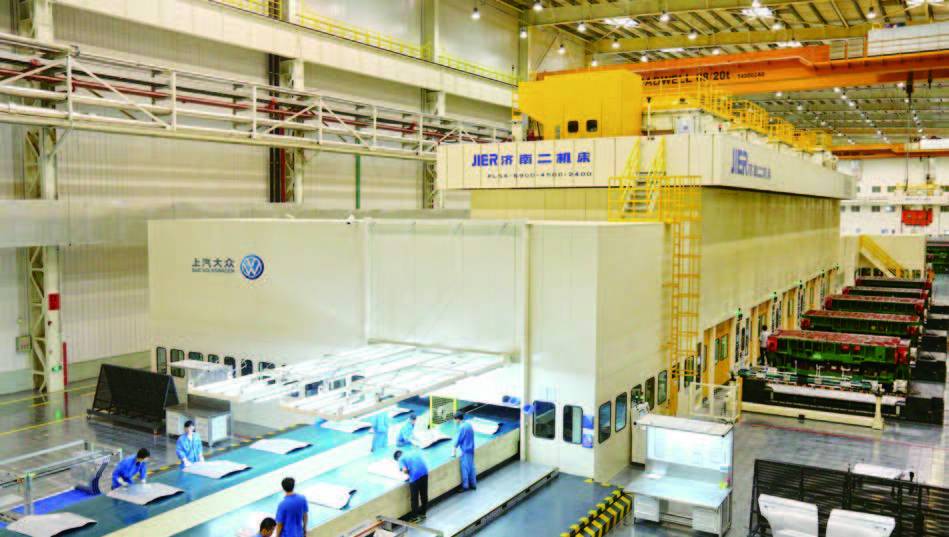
High-Speed Flexible Fully Automatic Stamping Production Line
JIER Machine-Tool Group Co., Ltd.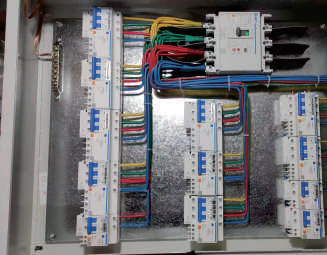
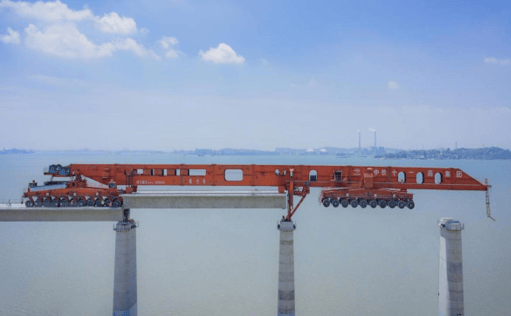
High-Speed Railway Lifting, Transporting, and Erecting Equipment: Integrated Transport and Erection Machine
Hanjiang Heavy Industry Co., Ltd. of China Railway 11th Bureau Group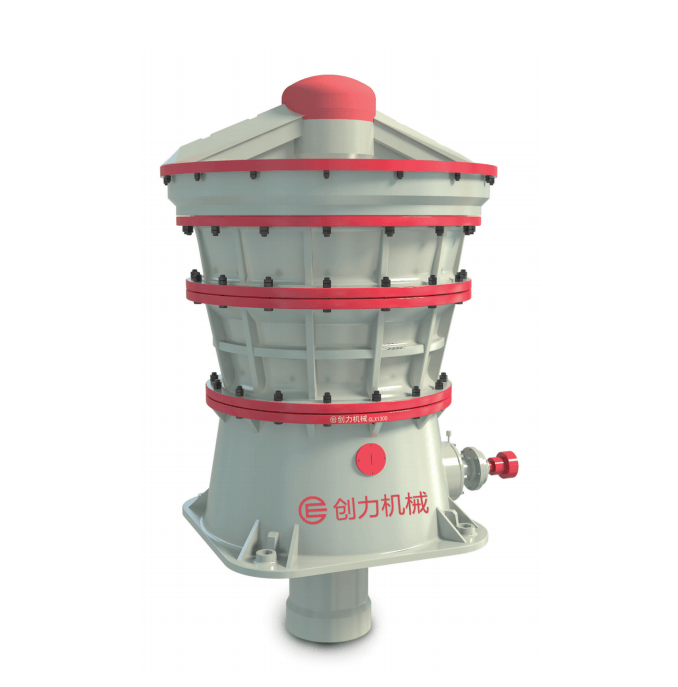
CLX Series Intelligent Hydraulic Gyratory Crusher
Guangdong CHUANGLI intelligent machinery Equipment Co., LTD
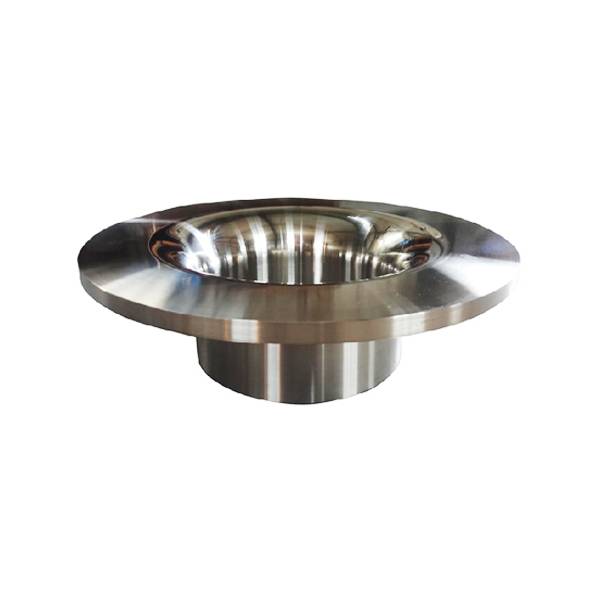
Standard Nozzle Flowmeter
Jinggong Automatic Control Instrument Complete Technology Development Company
Strip Coating and Plating Production Line Equipment
MCC-SFRE HEAVY INDUSTRY EQUIPMENT CO., LTD.