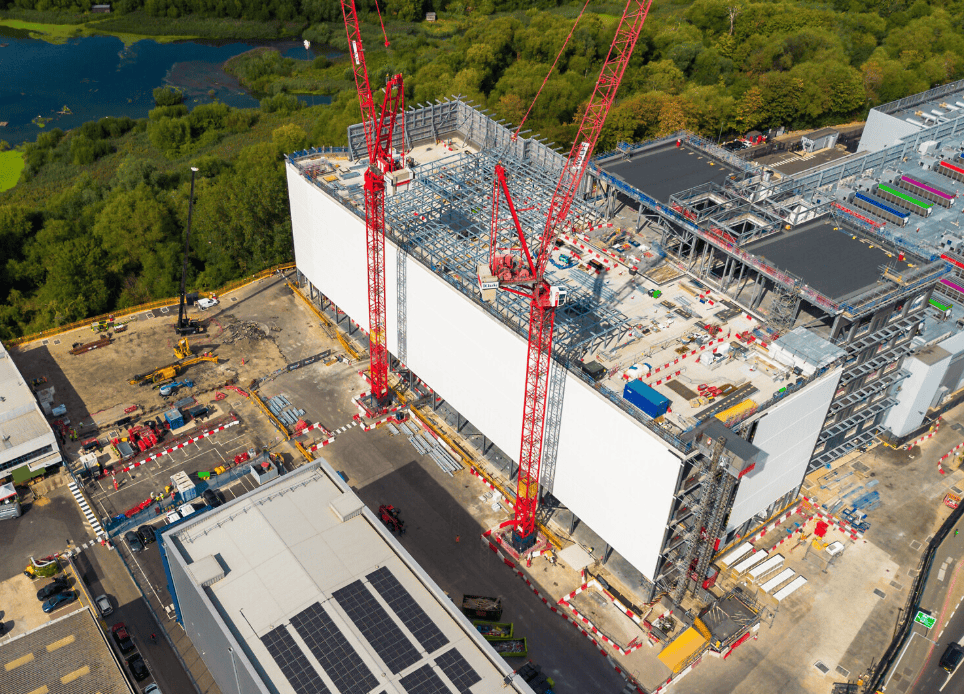
China Huake Lengxin Central China R&D Headquarters Settles in Wuhan Optics Valley
en.Wedoany.com Reported - On July 6, Chinese liquid cooling company Huake Lengxin (Wuhan) Power Technology Co., Ltd. signed an agreement with Wuhan Optics Valley Optoelectronic Information Industrial Park to build a Central China R&D headquarters in Wuhan East Lake Net Valley, focusing on product innovation and technological breakthroughs in the liquid cooling field. After the project is implemented, Huake Lengxin will further advance thermal management product R&D in Optics Valley for scenarios such as AI computing data centers, embodied intelligence, and commercial aerospace.
Liquid cooling is becoming a critical link in the operation of high-power equipment. AI computing data center servers operate under continuous high loads, with chips, boards, cabinets, and clusters generating substantial heat; embodied intelligent robots, when joints, motors, drives, and control units work continuously, also require more stable heat dissipation to maintain consistent motion in mid-to-late stages; commercial aerospace thermal control scenarios demand higher lightweight design, reliability, long-cycle operation, and adaptability to extreme environments. Huake Lengxin's construction of the Central China R&D headquarters focuses not merely on expanding office space, but on building R&D and engineering capabilities around liquid cold plates, thermal control structures, system integration, material processes, and reliability verification.
Currently, Huake Lengxin's core technologies have been applied in AI computing data centers, embodied intelligence, and commercial aerospace. In commercial aerospace thermal control scenarios, the company's supporting satellites have been stably operating in orbit for over 18 months, with related technologies validated through aerospace-grade scenarios.
From an application perspective, AI computing data centers prioritize per-cabinet cooling capacity, cooling efficiency, system stability, and operational costs; embodied intelligence focuses on rapid heat extraction from high-power-density joints and compact devices; commercial aerospace requires thermal control products to remain reliable under vacuum, temperature fluctuations, vibration, and long-term in-orbit conditions. Although the three directions target different applications, they all point to the same underlying capability: removing heat faster and more stably within limited spaces, ensuring equipment continues operating under high-load conditions.
In recent years, Wuhan Optics Valley has been continuously aggregating enterprise resources in the robotics and intelligent hardware industry chain. The area has gathered over 40 key enterprises in the robotics industry chain, covering core components such as control systems, perception systems, data and models, and drives and transmissions, with product directions including humanoid robots, industrial robots, and service robots. After Huake Lengxin enters East Lake Net Valley, its liquid cooling capabilities can achieve closer synergy with robot core components, AI computing equipment, and the optoelectronic information industry.
This signing places Huake Lengxin's R&D headquarters construction within the Optics Valley industry chain scenario. AI servers, robot joints, and aerospace thermal control equipment have different requirements for cooling systems. The R&D headquarters will need to continuously iterate around structural design, flow channel optimization, packaging adaptation, material selection, thermal simulation, reliability testing, and batch manufacturing processes to advance liquid cooling products from single-point project validation to broader high-power equipment applications.
Related Products


Multi-function Marine Monitoring Low-altitude Detection Radar Sea-air Boundary Ocean Dynamic Environment Measurement
Chengdu Dixin Technology Co., Ltd.
Flat Portable Satellite Terminal 0.35m Aperture Manual Portable Terminal
China Starwin Science & Technology Co., Ltd.
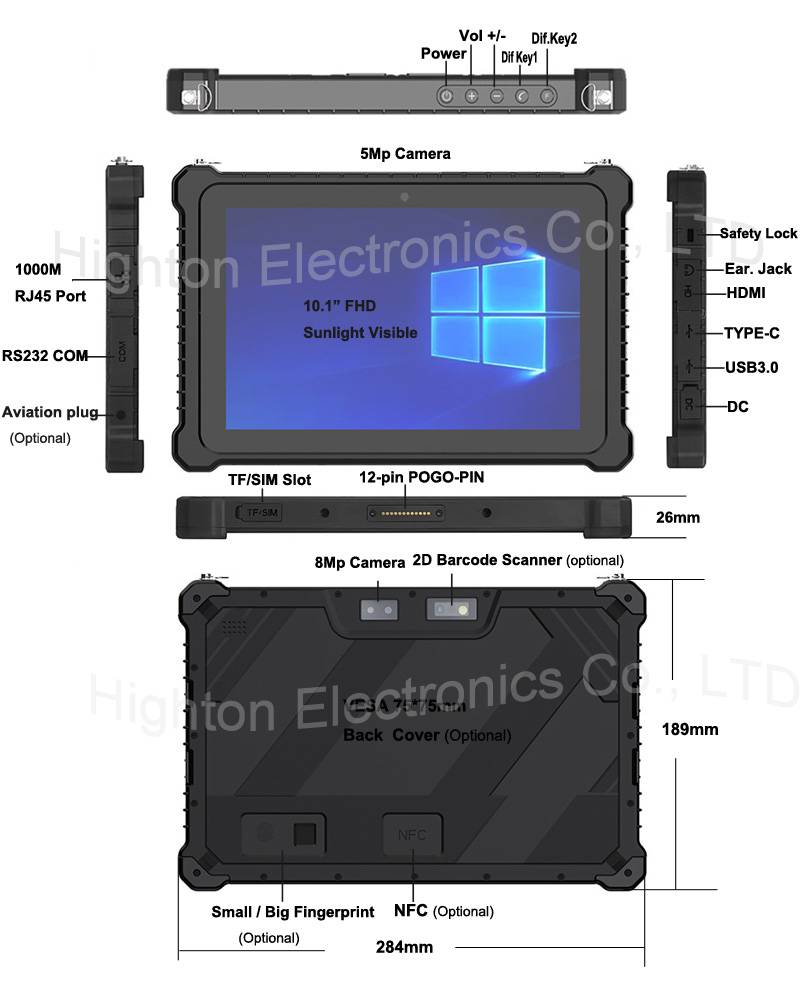
Hot Selling 10 Inch Intel N5100 I5 I7 FHD 8 +128GB 16+256GB Win10 Pro Win11 Pro 4G 5G Rugged Tablet PC Pad with NFC Barcode
Highton Electronics Co., Ltd.
Industrial and Commercial Point-Type Gas Detector
Jinan Benan Technology Development Co., Ltd.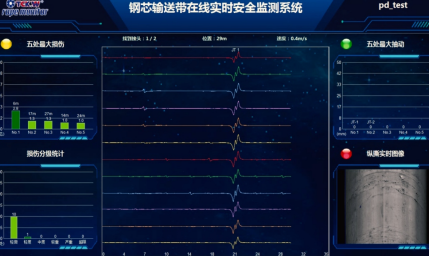
Conveyor Belt Intelligent Monitoring System
LUO YANG WIRE ROPE INSPECTION TECHNOLOGY CO., LTD.