Guinea Completes $30 Million Gold Refinery, Aims to Become West African Processing Hub
en.Wedoany.com Reported - Guinea's Mining Minister Bouna Sylla stated that the country is committed to becoming a gold refining hub in West Africa, promoting domestic processing rather than exporting unprocessed gold. This initiative aims to increase the added value of gold within the country, particularly against the backdrop of currently high gold prices.
"If every (West African) country has a refinery, that's fine," Sylla told Reuters. "If your refinery lacks competitiveness, its success or failure will depend on economic factors, not political ones." Guinea's President Mamady Doumbouya announced last week an immediate ban on the export of unprocessed gold to enhance domestic value addition.
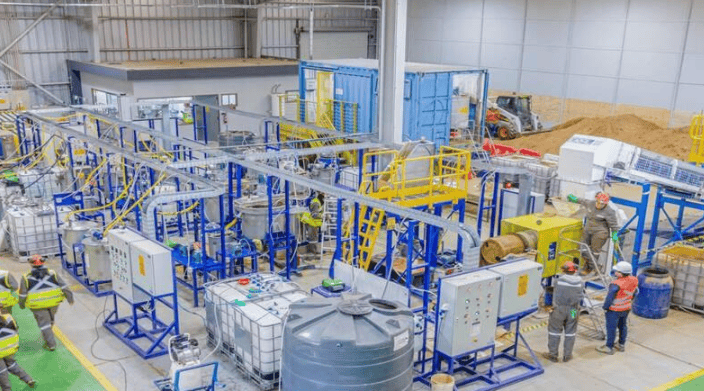
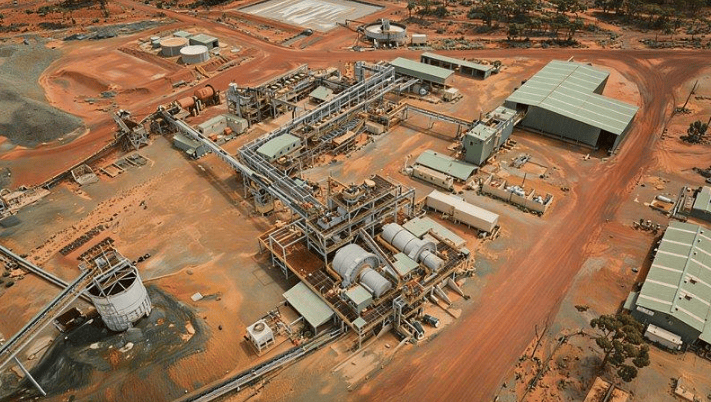
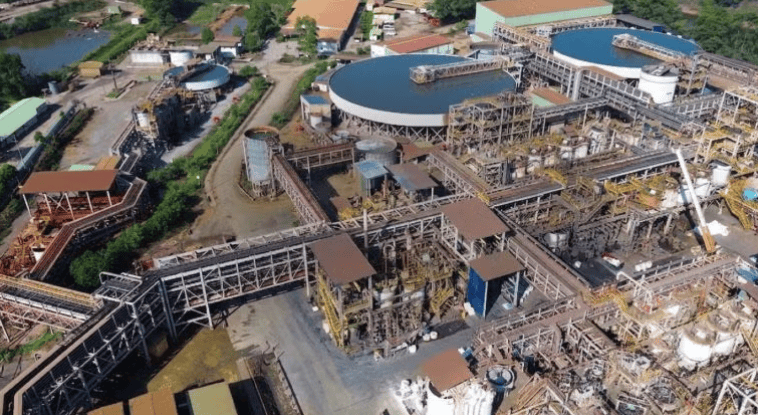
Sylla revealed that Guinea has completed a refinery capable of processing gold from the entire region, making it one of the largest refineries in Africa. Bangaly Steve Toure, Deputy Director of Guinea's Mining Investment Fund, said the refinery, built with an investment of $30 million, can initially process 530 tons (approximately 17 million ounces) of gold annually, with capacity reaching 733 tons per year after full production. Pending final approval, the refinery is expected to commence commercial operations in July.
Other major West African gold producers such as Ghana, Mali, and Burkina Faso are also building domestic smelting bases to capture more benefits from gold. Guinea's major gold producers include AngloGold Ashanti and Nordgold. Industry estimates place West Africa's gold production at around 11 million ounces in 2025. Sylla estimated that Guinea produced approximately 2.32 million ounces of gold last year, valued at about $7 billion, but less than 1% of the added value remained within the country.
"This is not just about revenue and jobs," Sylla said. "Countries like the UAE do not produce gold, but they have driven broader economic growth by establishing refining capacity. We want to create the same value chain." Sylla and Toure revealed that Guinea is drafting a decree to encourage local refining and plans to implement reforms to formalize artisanal mining and improve traceability. They added that the refinery, operating under a public-private partnership model, is part of a larger effort to develop downstream industries, similar to measures Guinea has taken in the bauxite sector.
Related Products

CITIC Heavy Industries Metallurgical Equipment Steel Smelting Engineering Equipment
CITIC Heavy Industries Co., Ltd.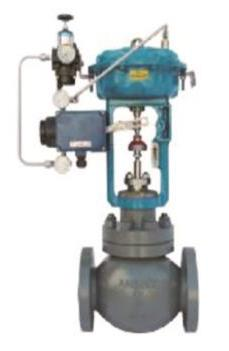
Quick-Change Single-Seat Control Valve / Quick-Change High-Pressure Single-Seat Control Valve
Beijing Consen Automation Technology Co., Ltd.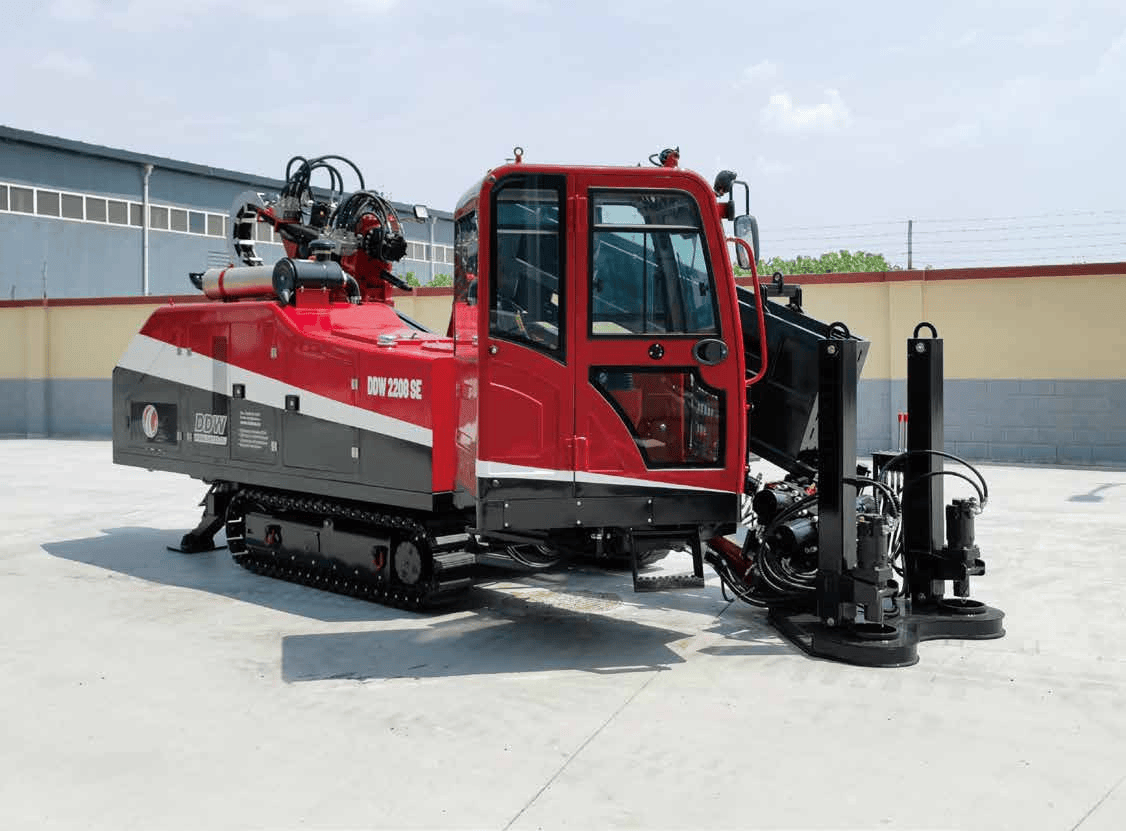
DDW22/08SE-HORIZONTAL DIRECTIONAL DRILL
DW/TXS Construction Equipment (Beijing) Co., Ltd.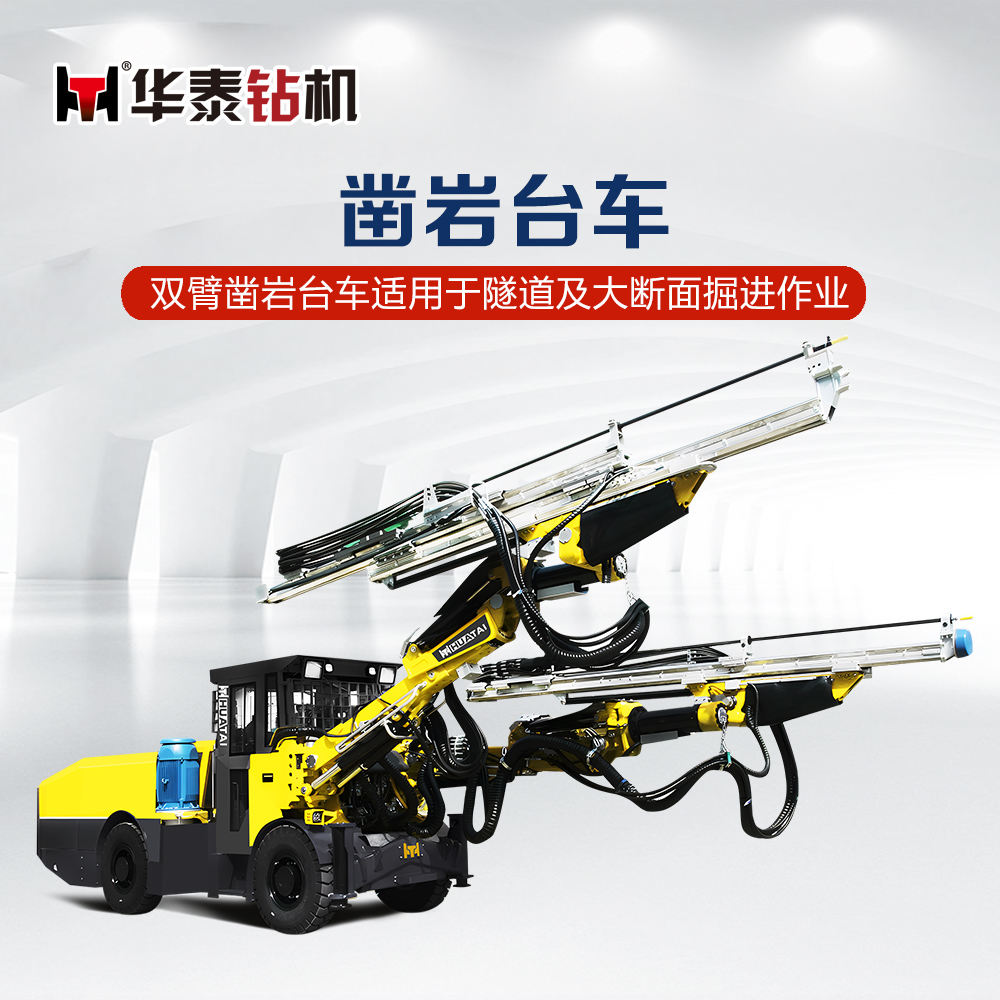
CYTJ45/2 Mining Hydraulic Tunneling Drill Rig
Zhangjiakou Xuanhua Huatai Mining and Metallurgical Machinery Co., Ltd.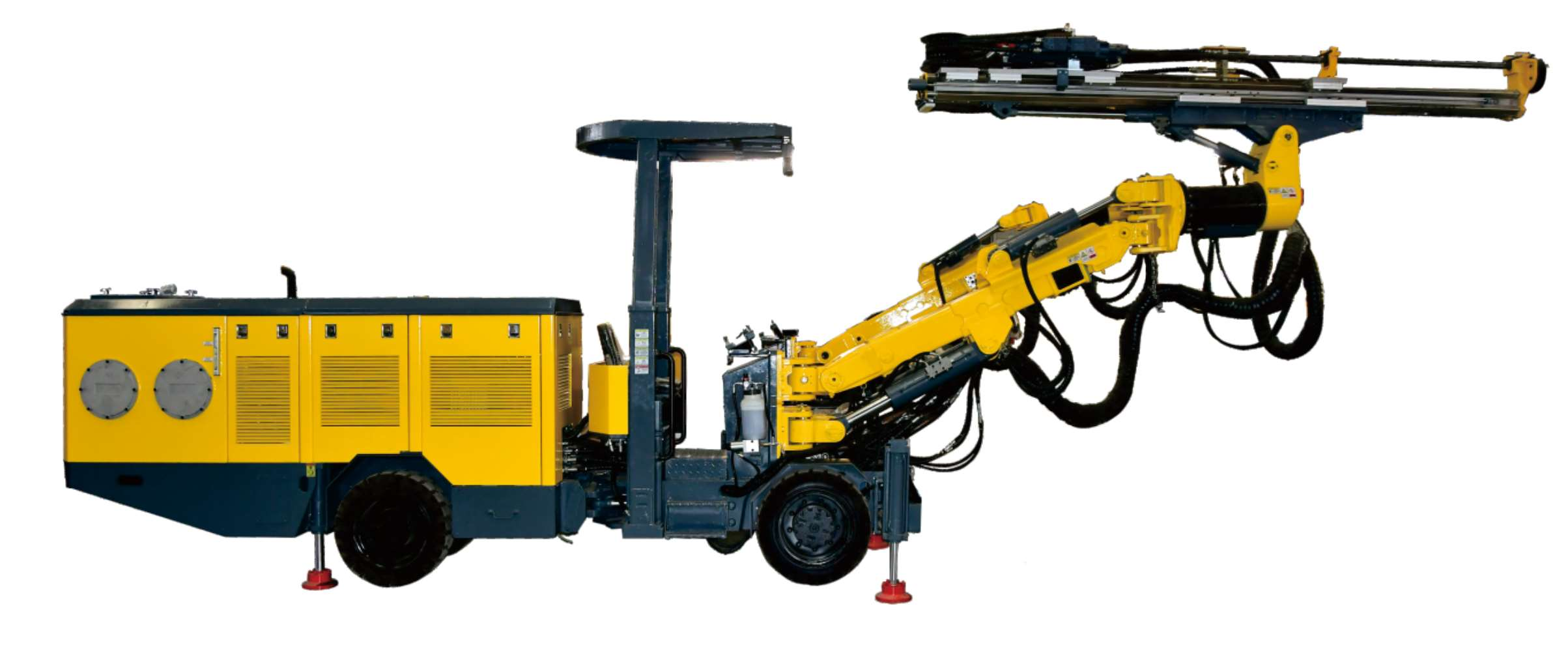
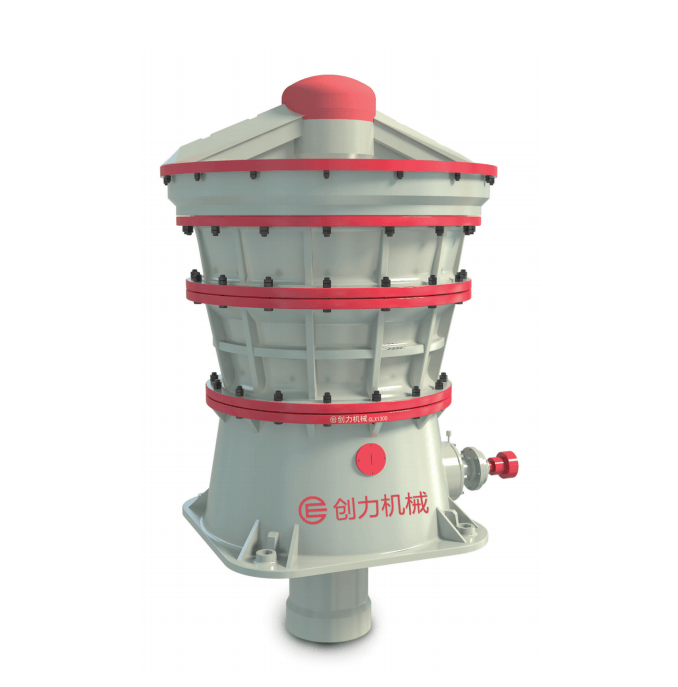
CLX Series Intelligent Hydraulic Gyratory Crusher
Guangdong CHUANGLI intelligent machinery Equipment Co., LTD