Brazilian cement sales in the first half of 2026 increased by 2.3% year-on-year to 32.9 million tons
en.Wedoany.com Reported - Brazilian cement sales in the first half of 2026 increased by 2.3% year-on-year, reaching 32.9 million tons. Data released by SNIC shows that sales in June alone were 5.8 million tons, up 7.7% compared to the same period in 2025; on a working-day basis, average daily sales were 253,600 tons, up 3.0% from June last year, but down 0.1% month-on-month from May.
A strong labor market was the main factor supporting growth in the first half. The unemployment rate for the quarter ending in May fell to 5.6%, the lowest for the same period since 2012; the employed population reached a record high of 102.7 million people, driving the total wage bill to remain at high levels.
In the housing sector, the "My House, My Life" (MCMV) program remains the core driver of sales, accounting for 50% of real estate launches in the first quarter of this year and recording a 10% increase in sales. Since April, the middle class (Tier 4) has been included in the program. The government has revised its target to build 3 million housing units by the end of 2026, a move expected to increase cement consumption by 5 million tons.
In infrastructure, highway projects using rigid concrete pavement (white surface layer) are accelerating, opening new avenues for cement demand. This technology is being promoted as a more economical and durable solution, aligning with the new emission reduction guidelines of the Brazilian Ministry of Transport.
The industry is facing sharply rising operating costs. In overseas markets, sea freight and petroleum coke prices have risen by approximately 30% in 2026; domestic diesel price increases have raised road freight costs by 25%. If working hours are changed to a 5x2 schedule (40 hours per week), labor costs are expected to increase by about 15%. The cement industry operates 24 hours a day, 365 days a year.
Credit and income prospects are also showing warning signs. Brazil's benchmark interest rate (Selic) is expected to reach 14% by the end of the year, with a slowdown in the pace of rate cuts, pushing up housing financing costs and enhancing the competitiveness of financial assets relative to real estate assets. The rise of online betting platforms ("bets") has also impacted household budgets, siphoning 143.8 billion reais from the retail sector over the past two years and causing 269,000 households to default, directly competing with funds used for self-construction and renovation. The cement industry has been warning for over two years about the worsening debt and defaults caused by online betting, but the government has not taken corresponding action to curb it. The industry also expresses concern about programs such as "Novo Desenrola" that divert FGTS (Service Time Guarantee Fund) from its primary purpose (housing financing) to debt settlement.
The market ended the first half with mixed sentiments. Consumer confidence remained stable, supported by employment and debt restructuring; industrial confidence improved due to the easing of the Middle East conflict and stable international oil prices. The construction sector, however, recorded pessimism due to cost pressures, slowing activity, and a severe shortage of qualified labor.
On the environmental agenda, energy transition and decarbonization initiatives are progressing steadily. The co-processing technology implemented by the cement industry, covering biomass, industrial waste, and municipal solid waste-derived fuel (RDF), has achieved approximately 30% thermal substitution through the use of 3 million tons of waste. This is equivalent to 1.5 times the annual disposal volume of Rio de Janeiro, while avoiding approximately 2.8 million tons of CO2 emissions.
Following its release at COP30, the "Net Zero 2050 Roadmap" continues to advance in areas such as raw materials and alternative fuels, energy efficiency, nature-based solutions (NbS), and carbon capture and utilization. The industry is collaborating with the Extraordinary Secretariat for the Carbon Market under the Brazilian Ministry of Finance to structure and regulate the Brazilian Emissions Trading System (SBCE).
José Eduardo Ramos, President of Cimento Nacional and Chairman of the Board of SNIC/ABCP, stated that the industry ended the first half with positive performance, with falling unemployment rates and historically high wage levels being key factors. The acceleration of housing projects (especially the MCMV program) and highway projects using rigid pavement and concrete roads played a decisive role in growth. The economic situation still requires caution: rising inflation, higher interest rate expectations, and record household debt limit household access to credit and consumption. Even so, the industry maintains its outlook for growth of nearly 2% by the end of this year.
Related Products




300mm Segment Type Countdown Traffic Light (Core Type)
Yangzhou FAMA Intelligent Equipment Co., Ltd.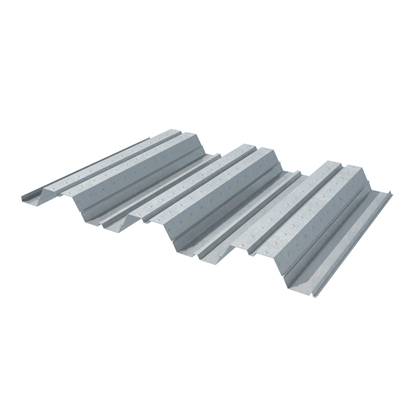
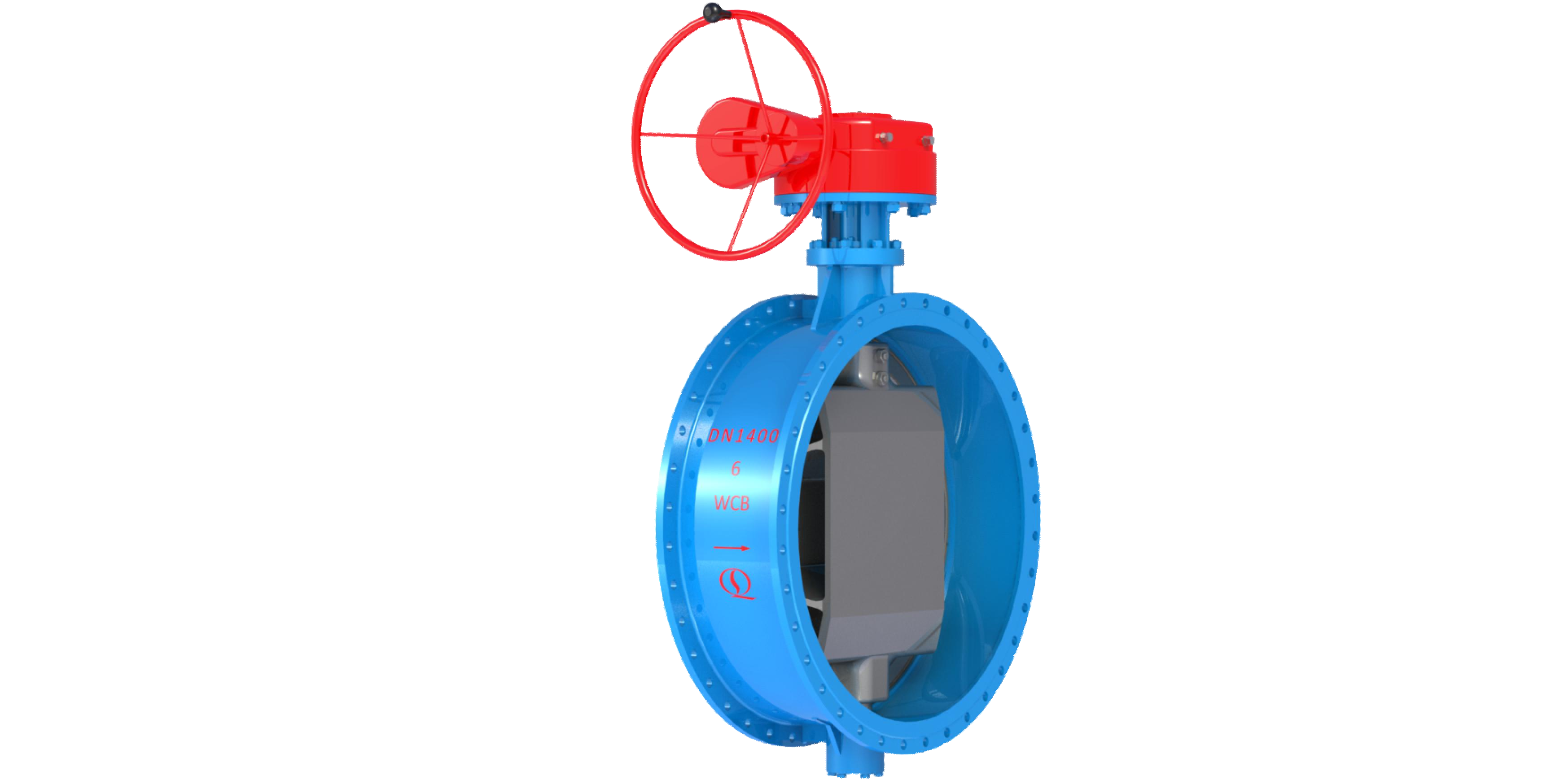
Bidirectional Metal Hard Sealed Seawater Butterfly Valve
Henan Quanshun Flow Control Science & Technology Co., Ltd.

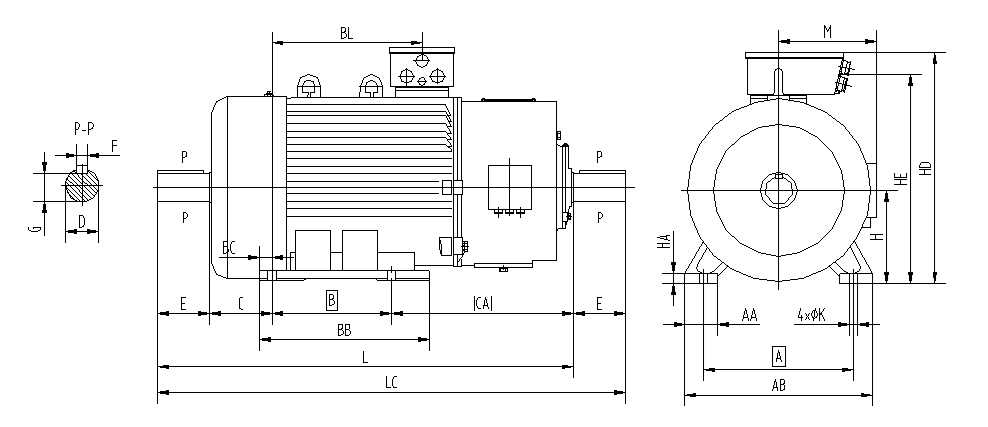
YZR (450-560) Series Wound Rotor Three-Phase Asynchronous Motors for Crane and Metallurgical Applications
Jiamusi Electric Machine Co., Ltd.