BP and Ultracargo Joint Venture Completes Paulínia Terminal Expansion, Capacity Reaches 202,000 Cubic Meters
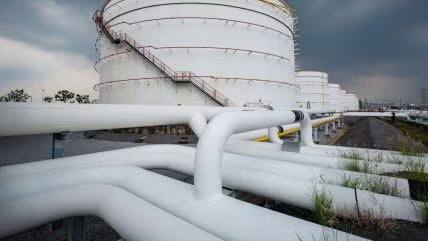
en.Wedoany.com Reported - The bp and Ultracargo joint venture Opla has completed the expansion of the Paulínia terminal, increasing total storage capacity to approximately 202,000 cubic meters. The newly built 20,000-cubic-meter tank will initially be used to store anhydrous ethanol, freeing up other facilities for gasoline transportation, which was previously not included in the terminal's logistics operations. The terminal's capacity is commercially operated by Ultracargo.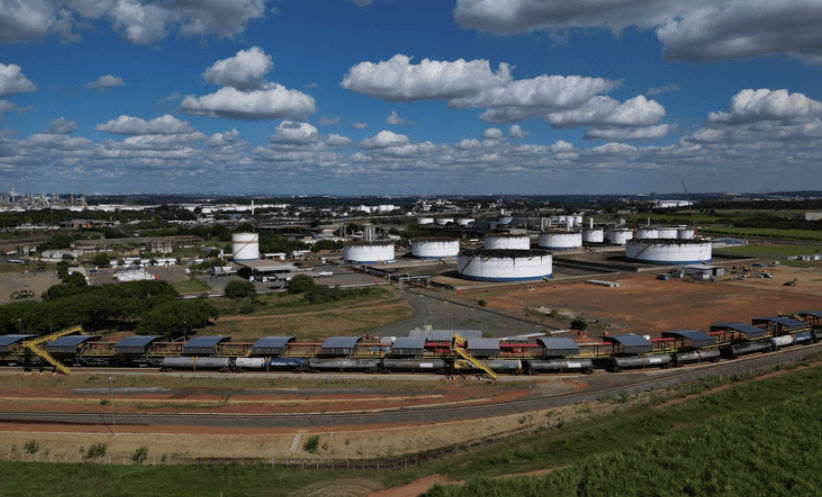
The expansion enables the terminal to flexibly adjust product transportation and storage based on crop seasonality and market logistics demands. The project utilizes aluminum dome roof tanks, a first for the Paulínia terminal. The conical dome design slightly increases effective storage volume while helping to reduce vapor emission losses. Ultracargo's Operations Director, Douglas Marques, stated that the structure is also equipped with a state-of-the-art safety system, including full-area sprinkler installation at the top, aimed at improving operational efficiency and inventory control, ensuring the integrity and compliance of stored products.
This expansion transforms the Paulínia terminal into a high-performance logistics hub, expected to significantly increase ethanol transportation volumes. The terminal connects three modes of transport: road, pipeline, and rail. Its rail spur, which began operations in June 2025, can efficiently handle up to 160 railcars per day. Customers can quickly switch inventory between biofuels and petroleum derivatives, utilizing the infrastructure to receive large volumes by rail (e.g., from Rondonópolis, MT) and dispatch by road with predictability during peak harvest seasons.
Ultracargo's Executive Director of Commercial and Planning, Raphael Nascimento, stated that the investment in Paulínia strengthens the company's positioning as a logistics solutions provider, capable of addressing the complexities of multimodal transport through efficient technology. He noted that the company offers customers a strategic multi-purpose hub connecting major production regions and large consumption centers, providing resilience to Brazil's fuel matrix.
André Moura, bp's Senior Manager of Source-to-Pay and Director of the OPLA joint venture, stated that Opla, as a strategic logistics hub, supports the storage and transportation of various products related to bp's operations in Brazil at Paulínia, including ethanol from bp Bioenergy, aviation fuel related to Air bp, and S-10 diesel related to bpCE. This integration expands the terminal's operational flexibility and reinforces the importance of multimodal transport in meeting market demands.
The investment by Ultracargo and bp in Opla solidifies Paulínia's position as a strategic inland hub. The terminal is prepared to alleviate pressure on the Port of Santos by gradually shifting road transport to higher-capacity modes. Although inbound receipts from the coast still rely on road transport, its strategic location offers potential for future integration with the Baixada Santista via a rail line, enhancing national logistics efficiency and reducing system costs and carbon emissions. The already integrated Paulínia spur and Rondonópolis spur together form a high-performance multimodal corridor between the Southeast and Central-West regions. This infrastructure enables corn ethanol from Mato Grosso to be rapidly transported to the interior of São Paulo, while petroleum derivatives needed by agribusiness are shipped in the opposite direction, achieving backhaul logistics, optimizing train utilization, and reducing empty mileage.