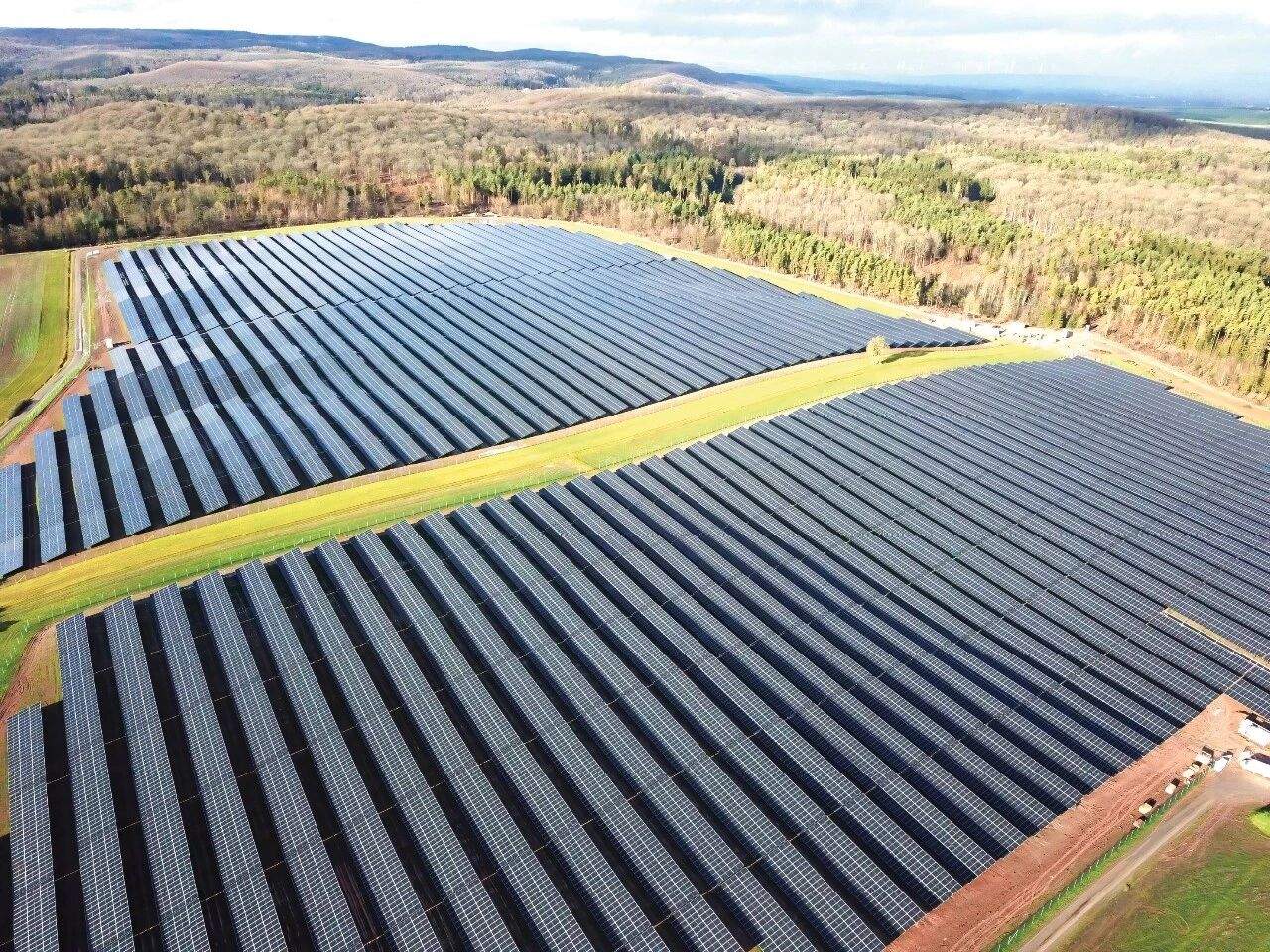
Spain Launches First National Agrivoltaic Project Map
en.Wedoany.com Reported - The Spanish Agrivoltaic Association (AAE, established in November 2025), driven by the Ministry for Ecological Transition and the Demographic Challenge (MITECO), has collaborated with multiple universities, research institutions, and agricultural and energy companies to create the country's first national map of agrivoltaic projects.
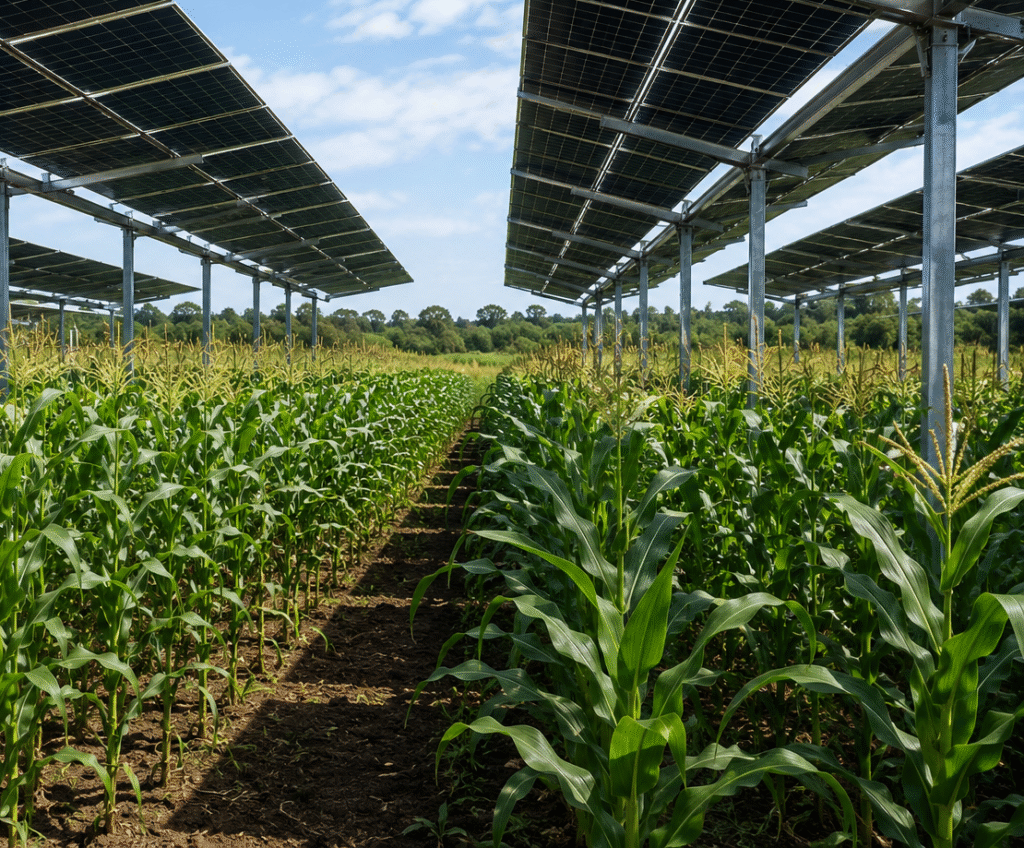
The association stated that this geolocation platform, a first in Europe, aggregates operational and under-development agrivoltaic facilities across Spain, including detailed information on location, installed capacity, land area, crop types involved, technologies employed, and developers. The platform aims to provide a unified information portal for the government, farmers, developers, researchers, and investors, enhancing transparency and territorial planning for agrivoltaic project deployment. Project developers and holders can voluntarily participate in data updates, and all information is verified before being entered into the database.
Since 2025, agrivoltaic projects in Spain have become eligible for Common Agricultural Policy aid, but the country still lacks an official national definition for agrivoltaics. In 2024, the Department of Climate Action, Food and Rural Agenda (DACC) of Catalonia issued a pioneering technical directive, becoming the first official document in Spain to formally define agrivoltaics. The directive defines agrivoltaics as a hybrid system simultaneously conducting agricultural production and electricity generation on the same plot, stipulating that both activities must coexist throughout the project's entire lifecycle. Its technical requirements include: after installation, agricultural yield must maintain at least 60% of the crop's previous yield; permanently altering the soil's natural structure through methods like concrete pouring is prohibited (except for individual elements such as transformer stations). Additionally, regulations limit the permanent footprint of structures, roads, buildings, or auxiliary facilities, stipulating that non-agricultural area must not exceed 15% or 20% of the total project area, depending on whether elevated or ground-mounted structures are used.
In November 2024, the European solar industry association SolarPower Europe released a technical guide aimed at establishing a common definition for agrivoltaics and providing recommendations for project design, operation, and evaluation. The guide proposes that agricultural production should always remain the primary land use and introduces objective indicators to verify the economic and productive viability of agricultural activities throughout the project lifecycle. The organization also recommends designing adaptable structures for different crops, preserving space for agricultural mechanization, minimizing permanent land occupation, and conducting continuous monitoring of agronomic yields. In 2025, SolarPower Europe launched the AgriSolar Policy Map, compiling agrivoltaic regulations and public policies from European countries. This tool allows users to compare regulatory frameworks across different nations, identify incentives, technical requirements, authorization systems, and economic support mechanisms, thereby promoting the exchange of good practices and regulatory convergence within the EU.
Related Products

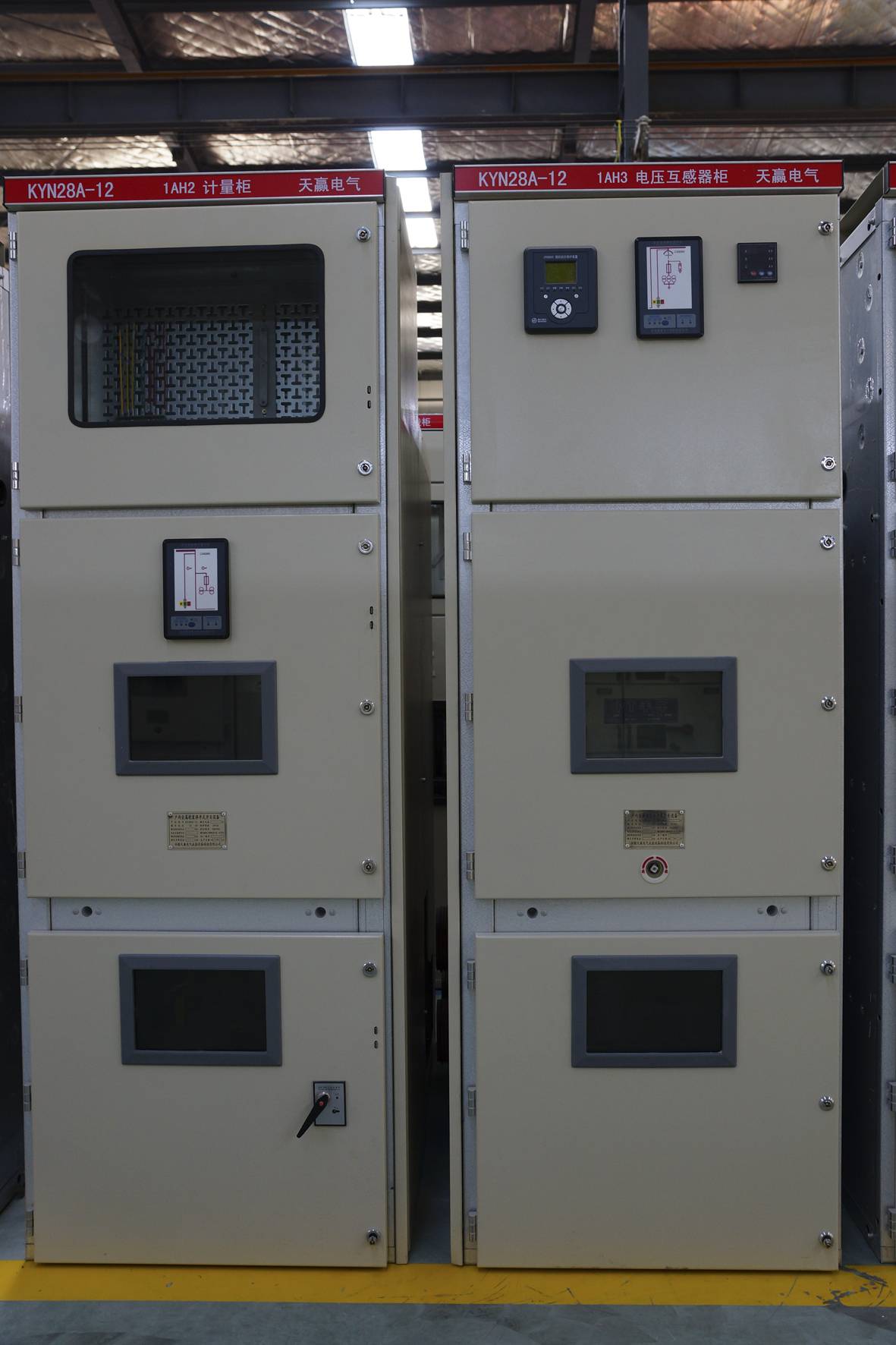
KYN28 - High Voltage Switchgear
Anhui Tianying Electrical Equipment Manufacturing Co., Ltd.
G.652.D Wavelength-extended Non-dispersion Shifted Single-mode Optical Fiber
HONGAN GROUP CO., LTD.

Mineral-insulated Compact Busway (Fire-resistant Busduct)
Zhuhai Guangle Electric Busway Co., Ltd.
714CD Series C-Band Weather Radar
Chengdu Zhongdian Jinjiang Information Industry Co., Ltd.
Hydraulic Turbine Genset
Dongfang Electric Corporation Dongfang Electric Machinery Co., Ltd.
GW4-40.5/72.5/126/145/170/252/363/420 Series Double-column Horizontal Rotary High-voltage AC Disconnect Switch
SHANDONG TAIKAI DISCONNECTORS CO., LTD.