Seven Brazilian cities targeted for data center expansion due to power infrastructure
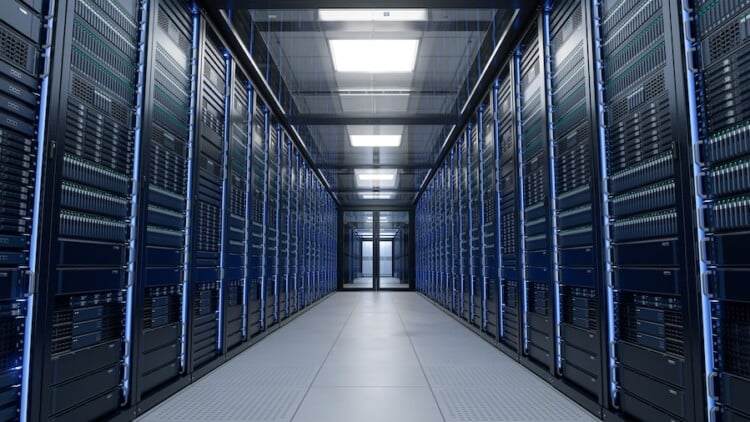
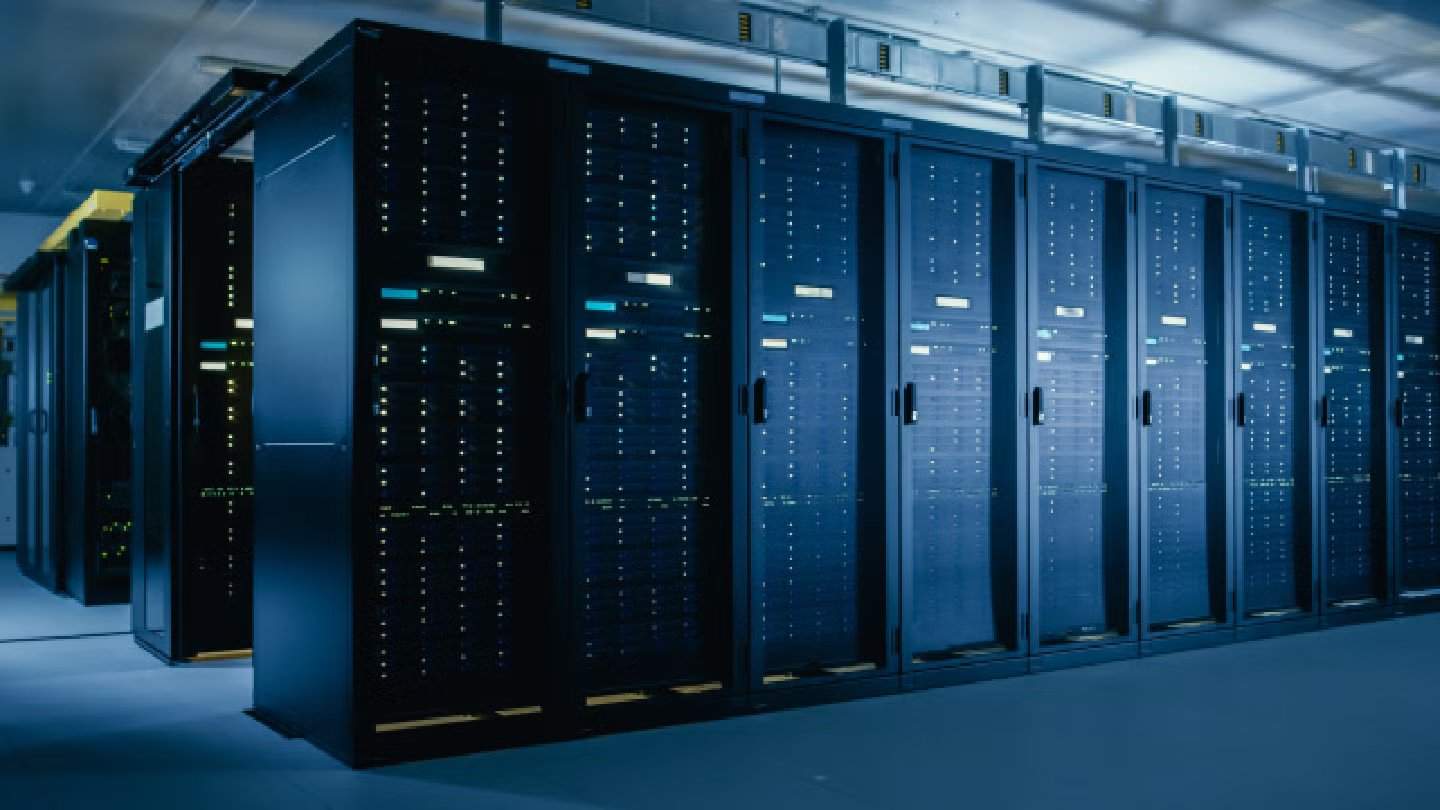
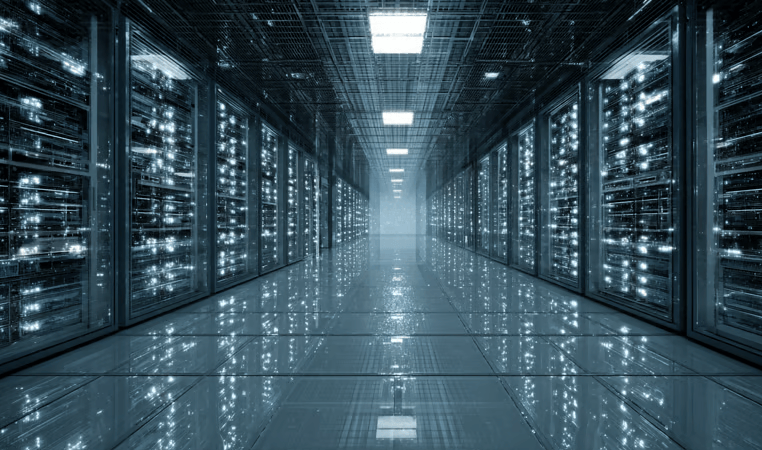
en.Wedoany.com Reported - A study by Allrea indicates that the availability of electricity and infrastructure is the main reason for the high demand for data center sites in seven Brazilian cities. The research shows that due to the high energy consumption of data center projects, investors prioritize areas that already have available capacity substations and facilitate new power connections.
This yet-to-be-published report was exclusively obtained by CNN Brazil. Allrea identified demand in seven Brazilian city regions, including: Sorocaba, SP; Araraquara, SP; Joinville, SC; Ponta Grossa, PR; Rio de Janeiro, RJ; Nova Iguaçu, RJ; and Queimados, RJ.
The study is based on demands from companies seeking to build data centers and analyzed land suitable for such projects. Among the mapped cities, Nova Iguaçu identified nine available areas, Joinville and Ponta Grossa eight each, Queimados five, Sorocaba and the city of Rio de Janeiro four each, and Araraquara two. The research concluded that electricity supply is the primary factor driving demand concentration in these locations.
"Today, the main criterion for selecting data center land is existing infrastructure. Electricity is no longer just a differentiator but a fundamental requirement for the feasibility of such projects," said Thomaz Brancati, CEO of Allrea.
According to a Reuters survey and reports published by CNN Brazil, in addition to experts' environmental concerns, the National Telecommunications Agency (Anatel) has also expressed concerns about data processing being concentrated in large cities like São Paulo and Rio de Janeiro. The agency believes that, ideally, these nodes should be dispersed across Brazil to ensure the security of the national data system.
Beyond electricity supply, other factors such as logistics accessibility, availability of large plots, and compatibility with urban zoning also influence site selection. According to Allrea's research, the trend of data center expansion will continue to drive demand for cities with these characteristics. The complete process of building a new substation, from approval to installation, can take over two years, depending on the responsible distribution company and project complexity.
Related Products


MUX Series Communication Interface Device for Security and Stability Control System
Nanjing NR Electric Co., Ltd.
Multi-function Marine Monitoring Low-altitude Detection Radar Sea-air Boundary Ocean Dynamic Environment Measurement
Chengdu Dixin Technology Co., Ltd.
20 Inch 1600*900 Full HD 60Hz TFT LED Monitor with VGA and DP Interfaces for Desktop Computers-Business Use
Guangzhou Zanying Optoelectronics Technology Co., Ltd.

Flat Portable Satellite Terminal 0.35m Aperture Manual Portable Terminal
China Starwin Science & Technology Co., Ltd.
Mine Explosion-proof and Intrinsically Safe Industrial Ethernet Ring Network (10 Gigabit/Gigabit)
Chongqing Mas Sci&Tech Co., Ltd.